

The Dawn’s Piercing Shriek
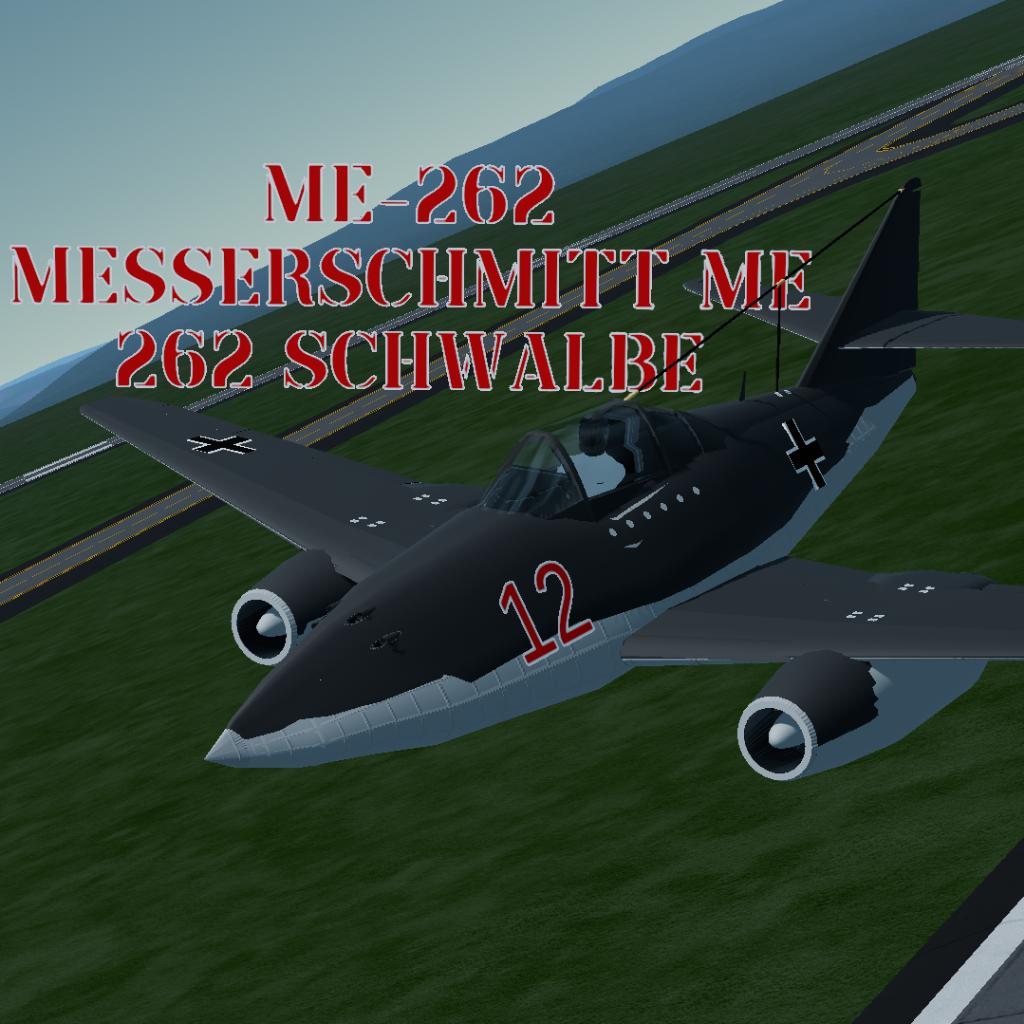
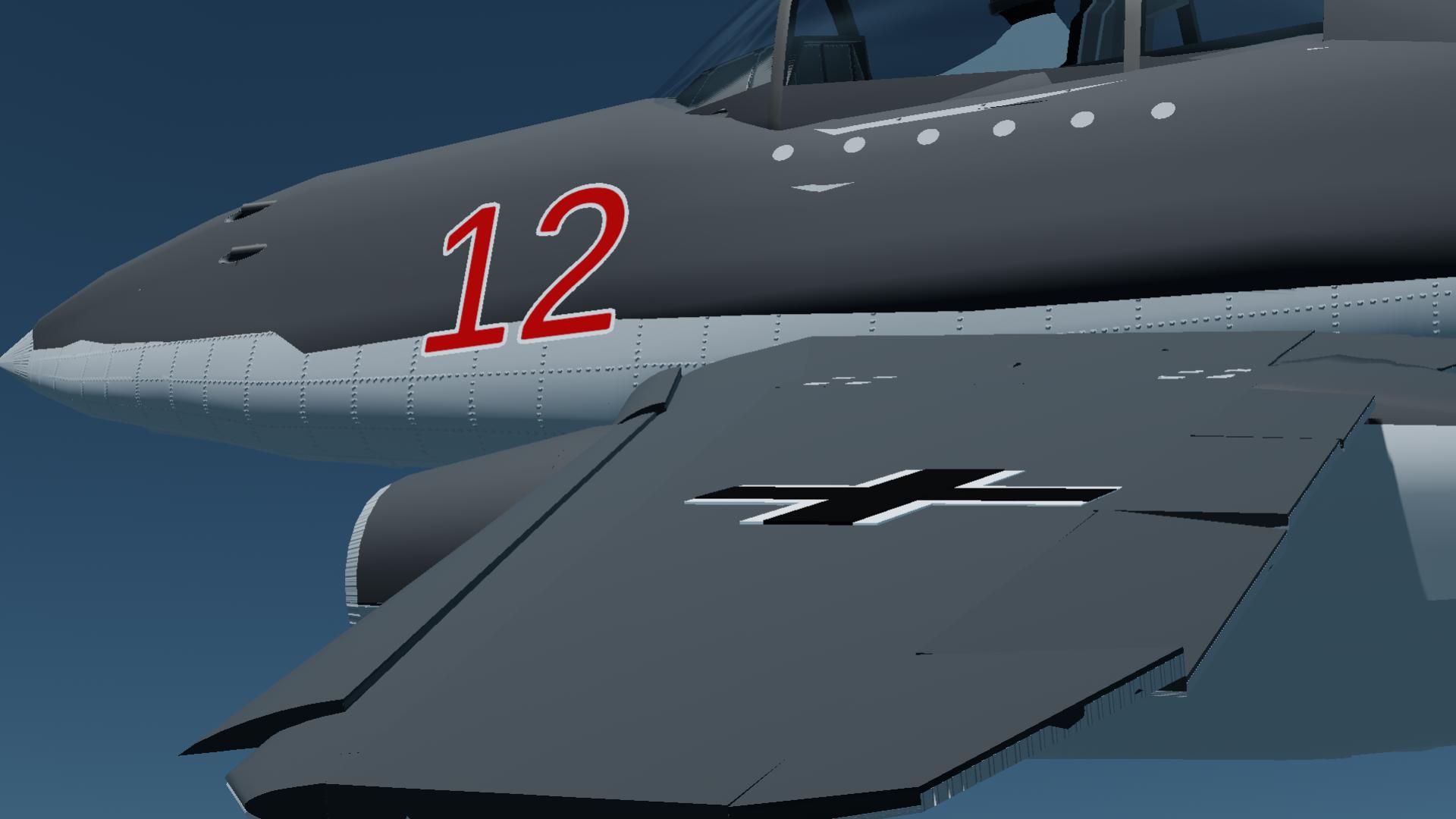
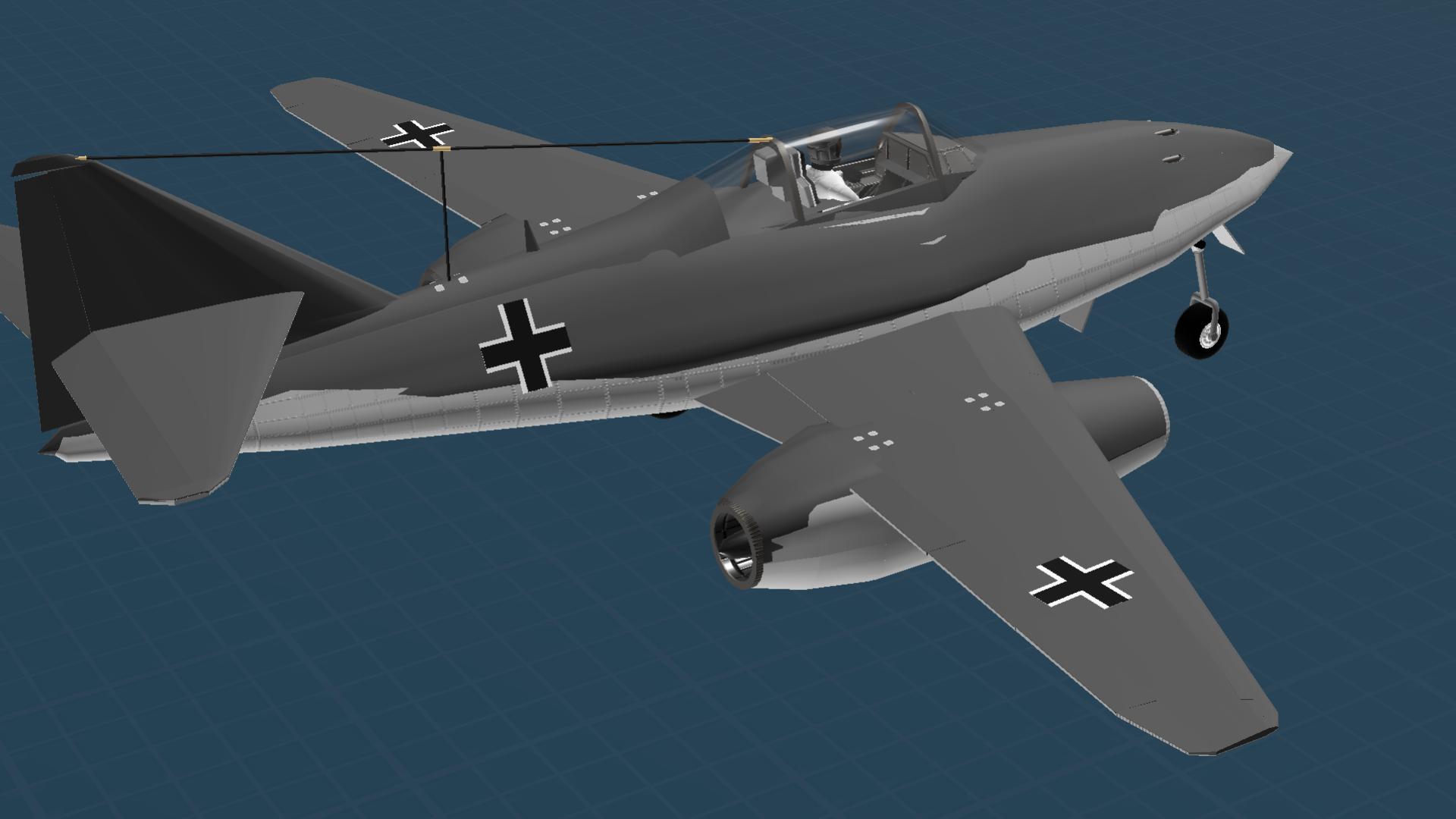
In the late summer of 1944, the skies over Western Europe still seemed dominated by the relentless formations of Allied bombers. Yet, an unprecedented, piercing shriek tore through the familiar drone. Sleek, silver shapes ripped through the clouds at breathtaking speed, leaving ponderous American B-17 Flying Fortresses far behind. Allied pilots stared in disbelief, their gun turrets traversing desperately yet unable to track these lightning-fast phantoms. This was the Messerschmitt Me 262, the world’s first operational jet-powered fighter, announcing with cold finality the dawn of a new era in aviation history amidst the dying embers of the war—it was christened the “Stormbird.”
Breakthrough in Desperation: The Birth
The legend of the Me 262 was not born of peacetime research but deeply rooted in Nazi Germany’s desperate gamble with “wonder weapons.” As early as April 1939, when the Heinkel He 178 completed the world’s first jet-powered flight, the astute Professor Willy Messerschmitt sensed revolution. He realized piston engines were nearing their limits; jet propulsion was the future. With backing from the German Air Ministry (RLM), the top-secret “P.1065” jet fighter project commenced.
The path was fraught. The jet engines (Junkers Jumo 004) were notoriously immature and unreliable. Early prototypes even relied on piston engines as “training wheels.” Ernst Udet, then head of the Luftwaffe procurement, nearly killed the project due to skepticism. Yet, Messerschmitt’s team persevered with Teutonic tenacity. In the spring of 1941, the jet-powered V3 prototype achieved its first flight, instantly shattering piston-engine speed records. On July 18, 1942, test pilot Fritz Wendel made history in the V3, achieving the first flight powered solely by jet engines. The dawn of the jet age pierced the war clouds with a brilliant ray.
Revolutionary Performance: Defining Advantages
When the Me 262 A-1a fighter finally arrived, belatedly, in mid-1944, its performance was revolutionary:
• Speed, The Absolute Sovereign: Its primary weapon was sheer velocity. Powered by two Junkers Jumo 004B axial-flow turbojet engines, the Me 262 could reach a staggering maximum speed of 870 km/h (approx. 540 mph), outpacing the fastest Allied piston fighters (like the North American P-51 Mustang) by at least 160 km/h. In combat, this granted unmatched abilities to chase and disengage. “If you saw a Me 262 directly astern, the only thing to do was pray,” recounted one surviving Allied pilot, capturing its terrifying presence.
• Ascent Like a Roc: The jet engines bestowed a phenomenal climb rate, far exceeding piston fighters. This allowed it to rapidly gain altitude advantage for devastating diving attacks on bomber streams.
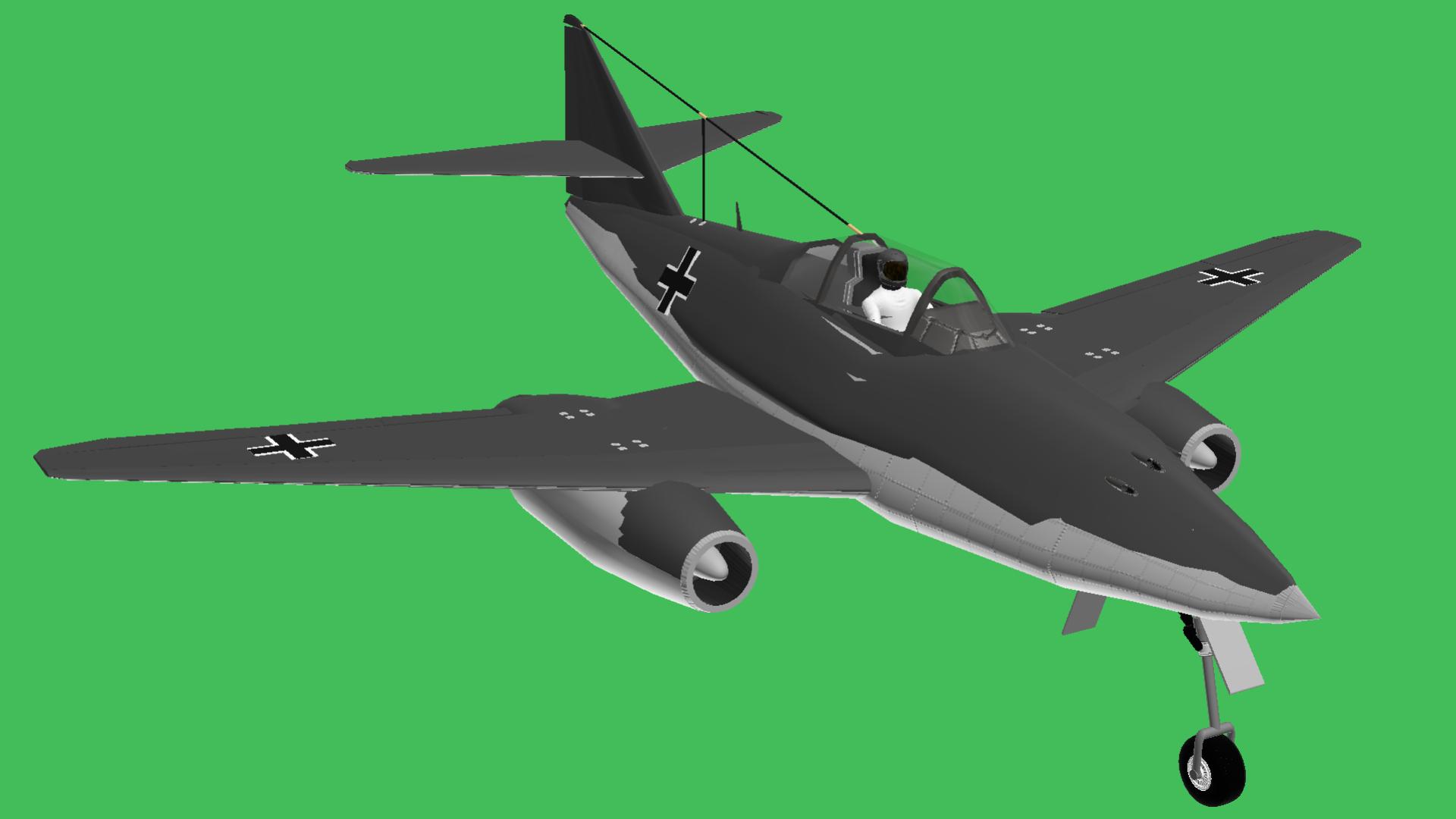
• Devastating Firepower: The nose typically housed four powerful 30mm MK 108 cannons. Though slow-firing, their shells were massively destructive; a few hits could obliterate a sturdy B-17. Against fighters, it was near-instant annihilation. This armament was purpose-built for bomber destruction.
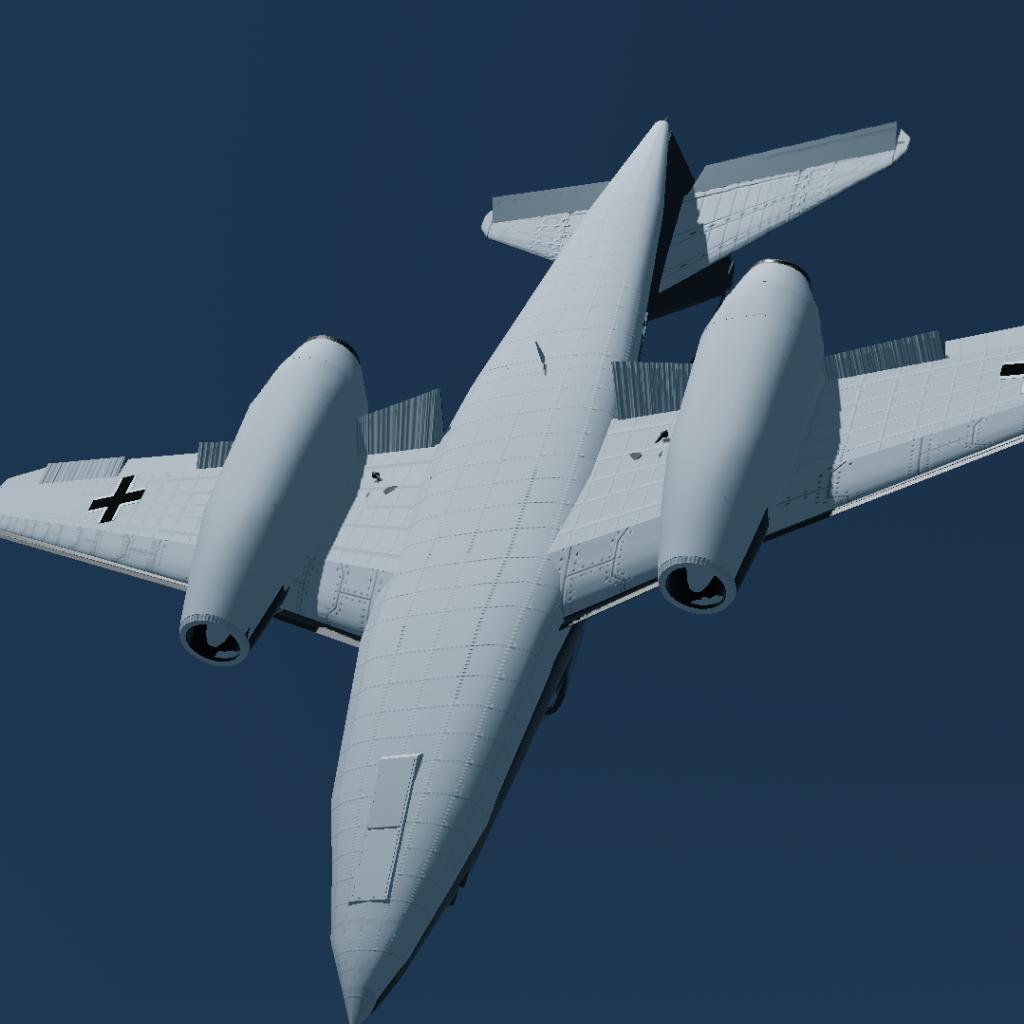
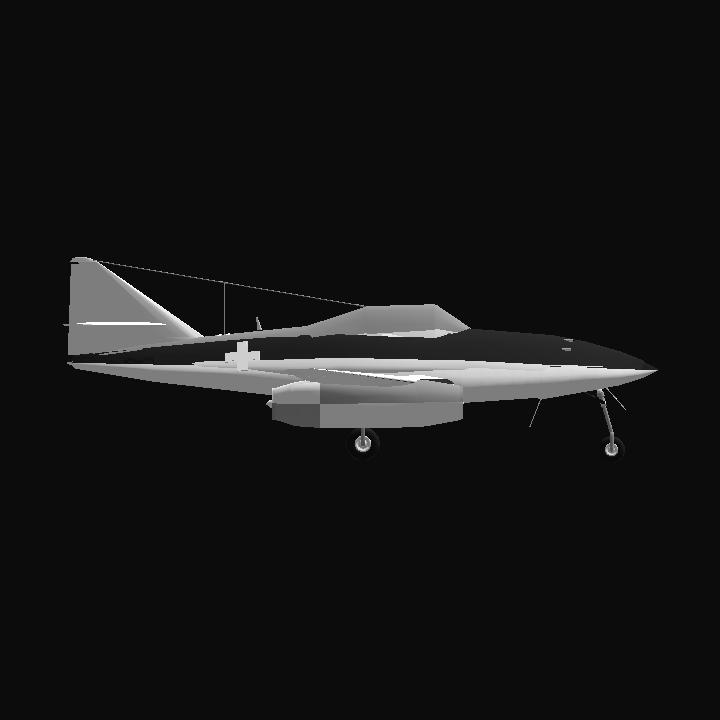
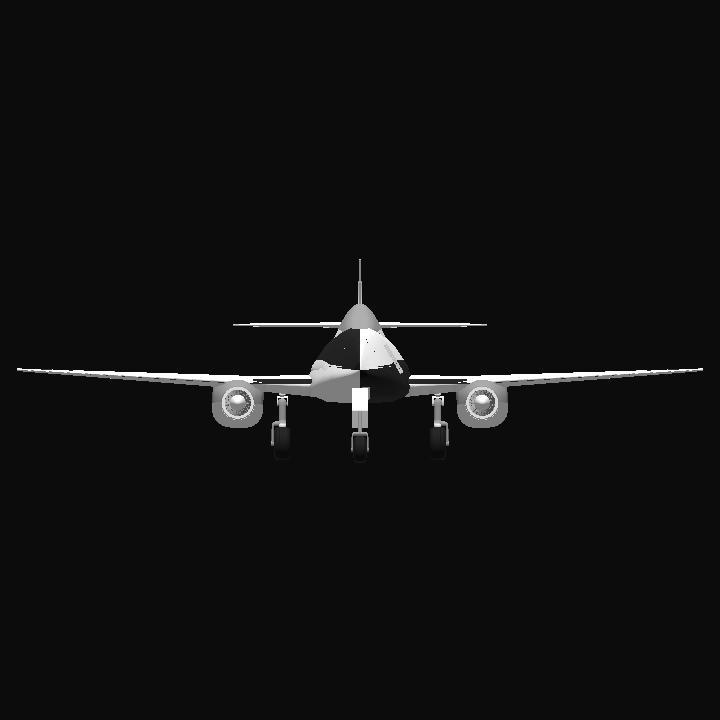
• Aerodynamic Foresight: The Me 262 incorporated swept wings (primarily for engine placement and center of gravity, yet serendipitously beneficial). This design reduced drag at high speeds, providing invaluable insights for future swept-wing aircraft. Its streamlined, clean-lined fuselage still exudes a futuristic aesthetic today.
The Stormbird’s Thorny Path: Flaws and Limitations
Yet, profound shadows marred the brilliance:
• A Frail "Heart": The Jumo 004 engines were its Achilles' heel. Requiring scarce strategic metals (like nickel, chromium) and complex manufacturing, their reliability was abysmal. Initial engine lifespan was a pitiful 10-25 hours. Throttle movements had to be excruciatingly slow and gentle to prevent flameouts or even explosions, especially during takeoff and landing—the most perilous phases.
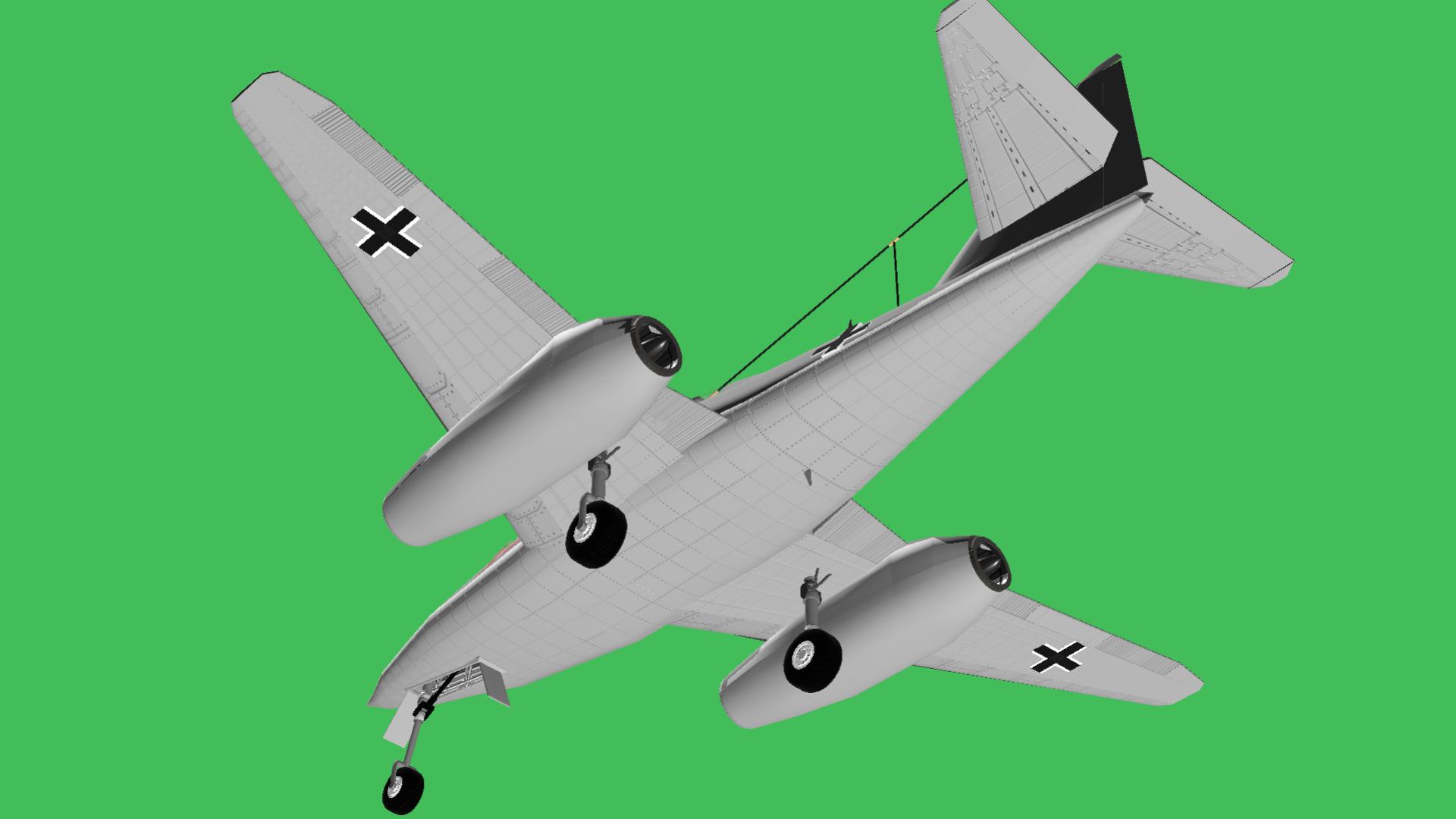
• The Vulnerable Giant on Ground: The landing gear (especially on early variants) was notoriously weak and prone to collapse under the stress of its high landing speeds. The fast approach also demanded longer runways, a severe handicap given Germany’s bomb-cratered airfields.
• The Curse of "Short Legs": The voracious fuel consumption of the jets combined with limited tank capacity resulted in an extremely short operational radius (typically under 300-400 km), drastically restricting tactical flexibility.
• The Führer’s Fatal Folly: The most absurd and crippling constraint came from the top. In November 1943, after a demonstration, Hitler conceived the insane idea of converting the Me 262 into a “Blitz Bomber” for countering the Allied invasion. He dogmatically ordered priority production of the bomber variant (A-2a). This catastrophic decision wasted nearly a precious year. The jet fighter that could have reclaimed the skies in early 1944 was delayed, leading to immense losses of experienced pilots in desperate piston-engine interceptions. When the dedicated fighter unit “Kommando Nowotny” (later becoming Jagdgeschwader 7) finally saw combat in autumn 1944, its localized tactical successes could no longer stem the strategic tide. General Adolf Galland later lamented bitterly: “The Me 262 could have won back the air for us as early as 1944... but like all other promising weapons, it was squandered by Hitler's stupid orders.”
• Pilot Predicament: Mastering the jet demanded exceptional skill. Transitioning pilots faced a steep learning curve dealing with asymmetric thrust (if an engine failed), tricky handling at low speeds, and the peculiarities of jet engine management under combat stress. Experienced instructors and operational training units were decimated by the war’s attrition.
Wings Clipped: Fleeting Combat and Demise
Despite the obstacles, the Me 262's combat impact was undeniable when it finally engaged. Elite units like Jagdgeschwader 7 (JG 7) and JV 44 (Galland’s own “Squadron of Experts,” staffed by aces like Gerhard Barkhorn, Walter Krupinski, and Johannes Steinhoff) became the Luftwaffe's final blades.
The Me 262's core tactic was the “high-speed pass.” Utilizing its unmatched velocity, it would dive from altitude, slashing through the dense defensive fire of Allied bomber boxes (gunners struggled to track such fast targets), unleash a devastating burst from its 30mm cannons at close range, and then zoom away using its speed advantage to evade entanglement with escort fighters. Aces like Heinz Bär and Georg-Peter Eder scored dozens of victories in the jet. Conservative estimates credit Me 262s (with fewer than 300 ever operationally deployed) with destroying over 500 Allied aircraft for the loss of about 100 jets themselves—an impressive kill ratio (though figures vary).
However, individual prowess couldn't reverse the war. The Allies adapted quickly: ruthlessly targeting jets during their vulnerable takeoff and landing phases (“Operation Jackpot”/“Airfield Strafe”), using numerical superiority to force them into turning fights (difficult but not impossible, as P-51s using low-altitude maneuverability sometimes achieved kills), and relentlessly bombing fuel supplies, factories, and airfields. Accompanying piston fighters were sometimes ordered into suicidal ramming attacks to protect landing Me 262s.
As the Third Reich collapsed—its resources exhausted, airfields ruined, fuel gone, spare parts nonexistent—and under the overwhelming weight of Allied numbers and air superiority, the “wonder weapon’s” resistance flickered and died. By April 1945, with Berlin falling, the Stormbird's brief, brilliant flame was extinguished. Of approximately 1,433 built, the vast majority never flew operationally or were destroyed on the ground.
Enduring Echo: An Immortal Legacy
Though its combat career was meteoric, the Me 262 irrevocably altered the course of flight. It ruthlessly signaled the end of the propeller era, showcasing the absolute dominance of jet speed, and ushered in a new age for military aviation.
Its technological legacy was profound and immediate. In the scramble of defeat, the US and USSR feverishly seized Me 262 airframes, blueprints, and engineers (like those swept up in Operation Paperclip). The design principles heavily influenced the first generation of post-war jet fighters: the American F-86 Sabre and the Soviet MiG-15. The validation of swept wings became foundational for all subsequent high-speed aircraft, military and civilian alike. In a very real sense, the jet roar echoing through today’s skies carries the ghost of the Stormbird’s first, shattering scream over wartime Europe.
The Messerschmitt Me 262 “Stormbird” embodies the astonishing technological thrust of a nation cornered, yet it is also a tragedy woven from ambition, hubris, genius, and short-sightedness. It stands as an epochal exclamation mark in aviation history—a technological dawn forged in the fires of destruction. As its silver form flashed across the twilight sky of the dying Reich, it heralded not just a new era of speed, but also an eternal contemplation on the intricate nexus of technology, war, and human destiny.
GENERAL INFO
- Predecessor: Me-262 Beta V0.8
- Created On: Android
- Game Version: 1.3.114.0
- Price: $2,703k
- Number of Parts: 215
- Dimensions: 4 m x 12 m x 10 m
PERFORMANCE
- Total Delta V: 0m/s
- Total Thrust: 27kN
- Engines: 7
- Wet Mass: 4,043kg
- Dry Mass: 3,688kg
STAGES
| Stage | Engines | Delta V | Thrust | Burn | Mass |
|---|

16 Comments
- Log in to leave a comment
-
-
-
-
25.9k Aludra877one month ago
@bilbilfeige glad to hear you are better, currently I'm fine, thanks for asking, live long and prosper
-
-
25.9k Aludra877one month ago
@bilbilfeige sorry to hear about that man, are you feeling better now?
-
-
-
-
-
2,567 Sansuone month ago
Yessir,absolutely beautiful and thanks for the first mobile friendly me-262 on the website
-
-
-
25.9k Aludra8772 months ago
Thanks man, this is one of my fav aircrafts, simply because it was effective (I mean that from an engineering perspective) and it was the first Jet
-
2,338 bilbilfeige+1 2 months ago
@BeaconIndustries
@Aludra877
@WSR
@Sansu
@Danthonie
@Sturmmorser
@Luc3s
@ColumbiaHavenXAerospaceI would like to express my gratitude once again for your encouragement and support. This is the last time this work has been improved, and I hope to leave the best, most realistic and realistic work for everyone. Thank you


This work is the final finalized version of the Me+262. Thank you for your support and encouragement. If you like it, can you click "Upvote" for me? Thank you very much.