

*out of universe note: reuploaded due to uploading wrong craft version
"... yall know, it never occured to me that we immediately jumped into a brand new aircraft instead of starting from a conversion of an existing frame."
"..."
"..."
"... You're only bringing that up now?"
"... better late than never?"
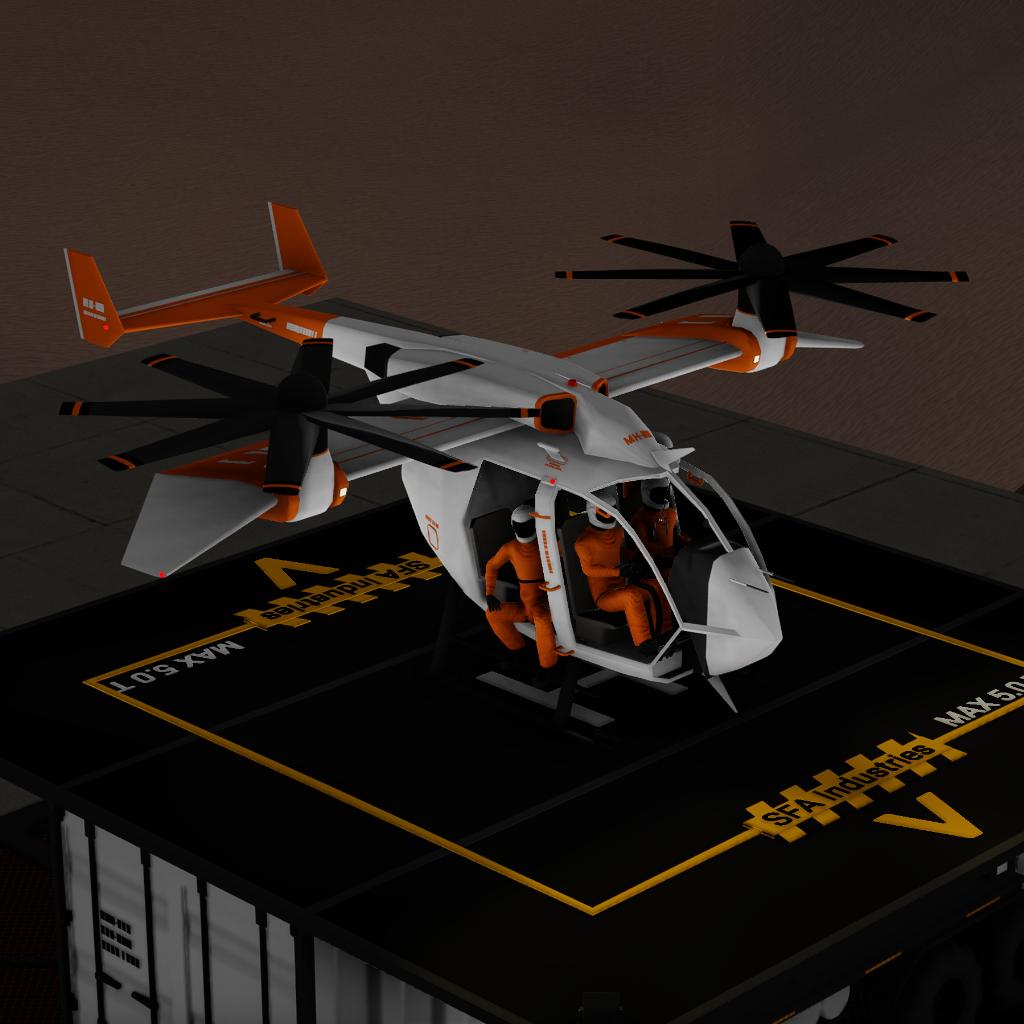
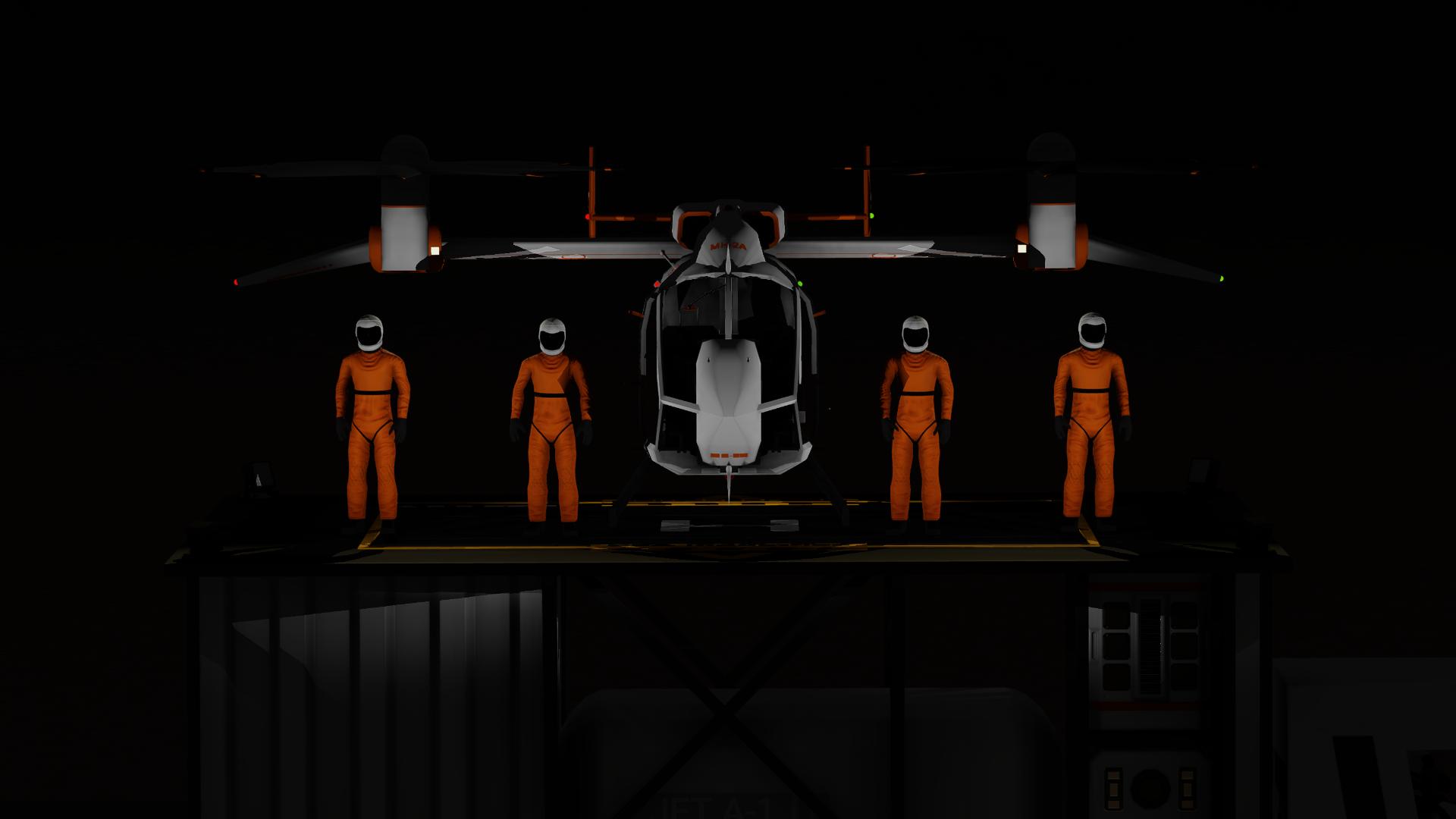
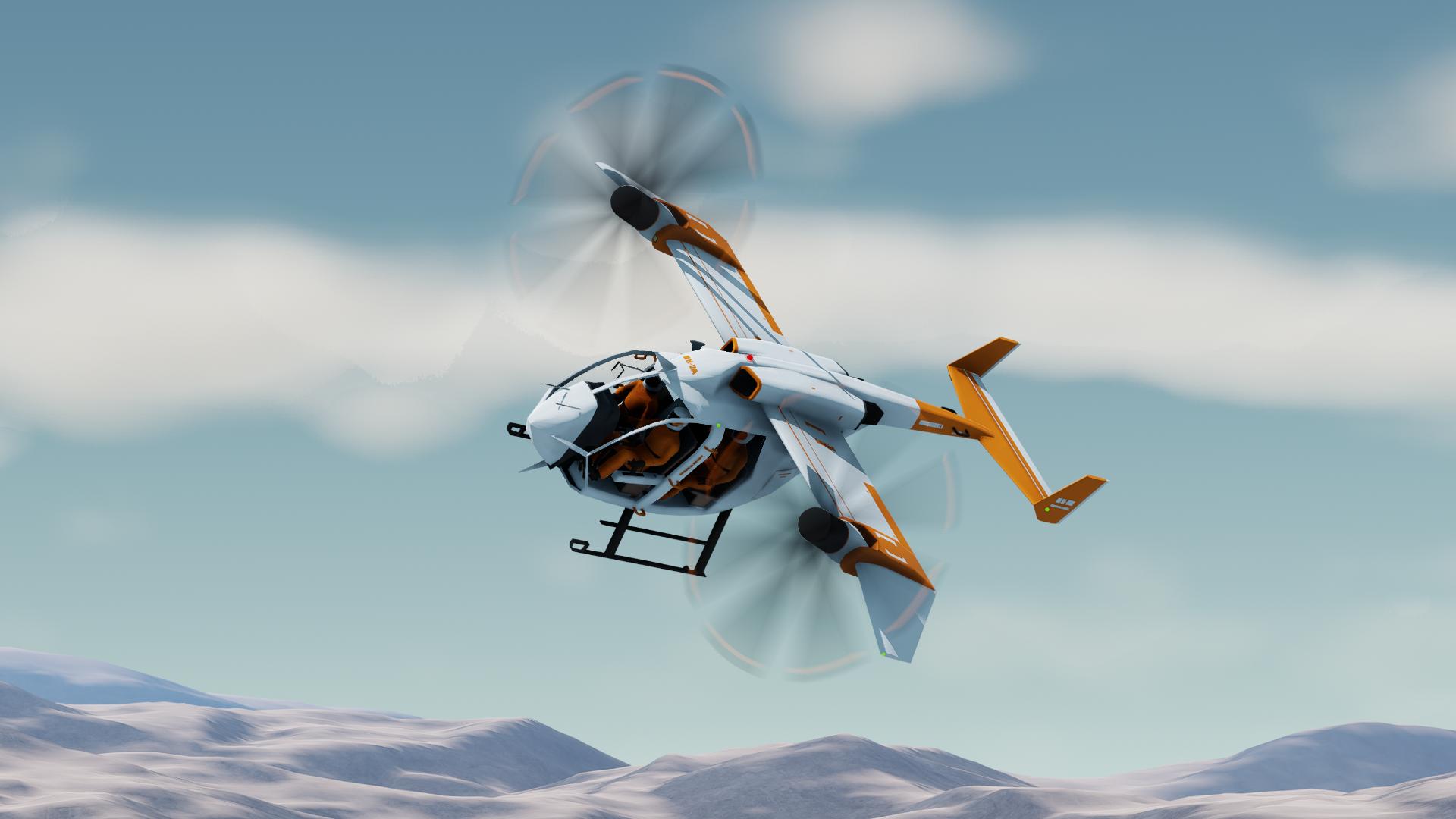
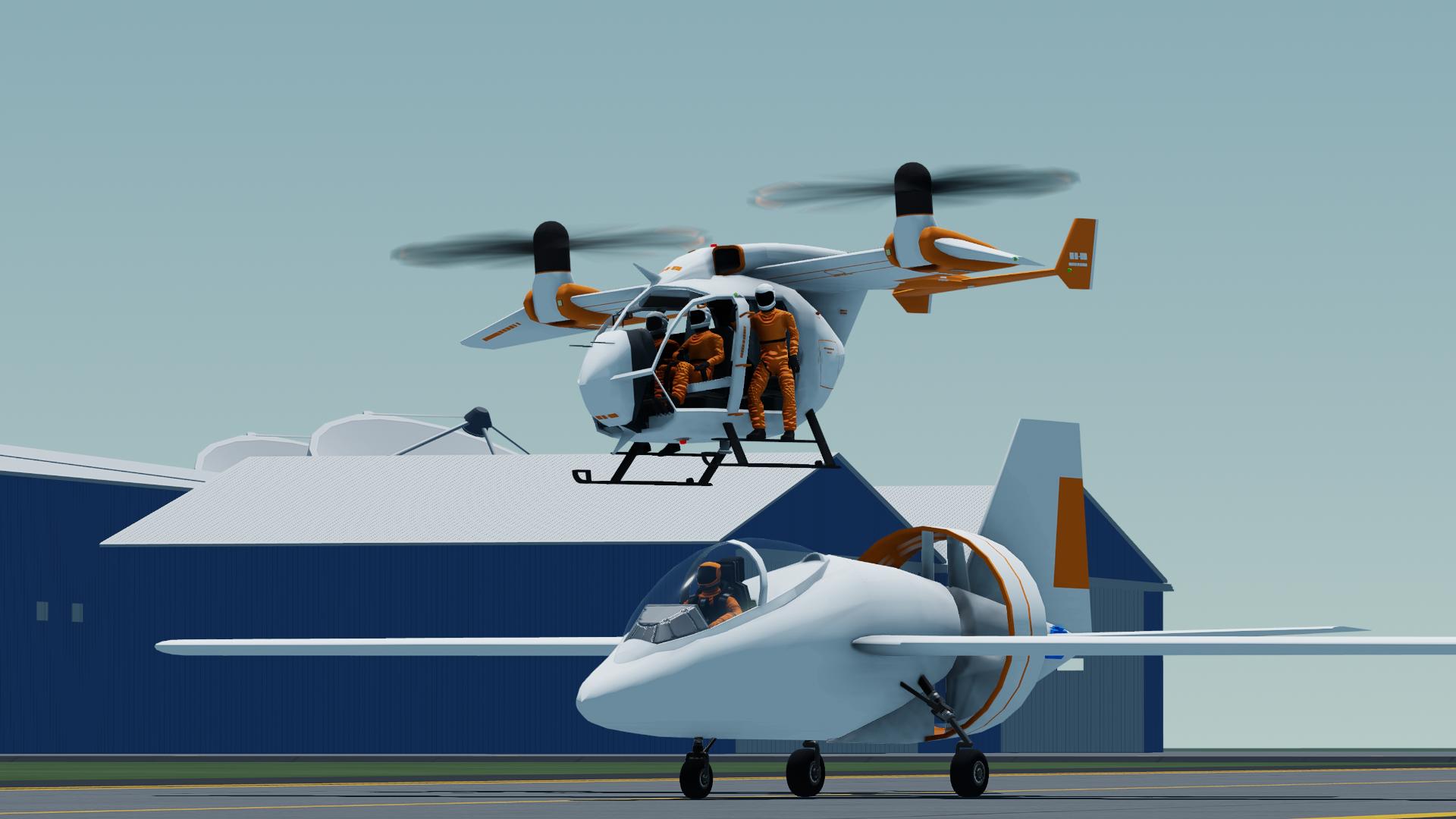
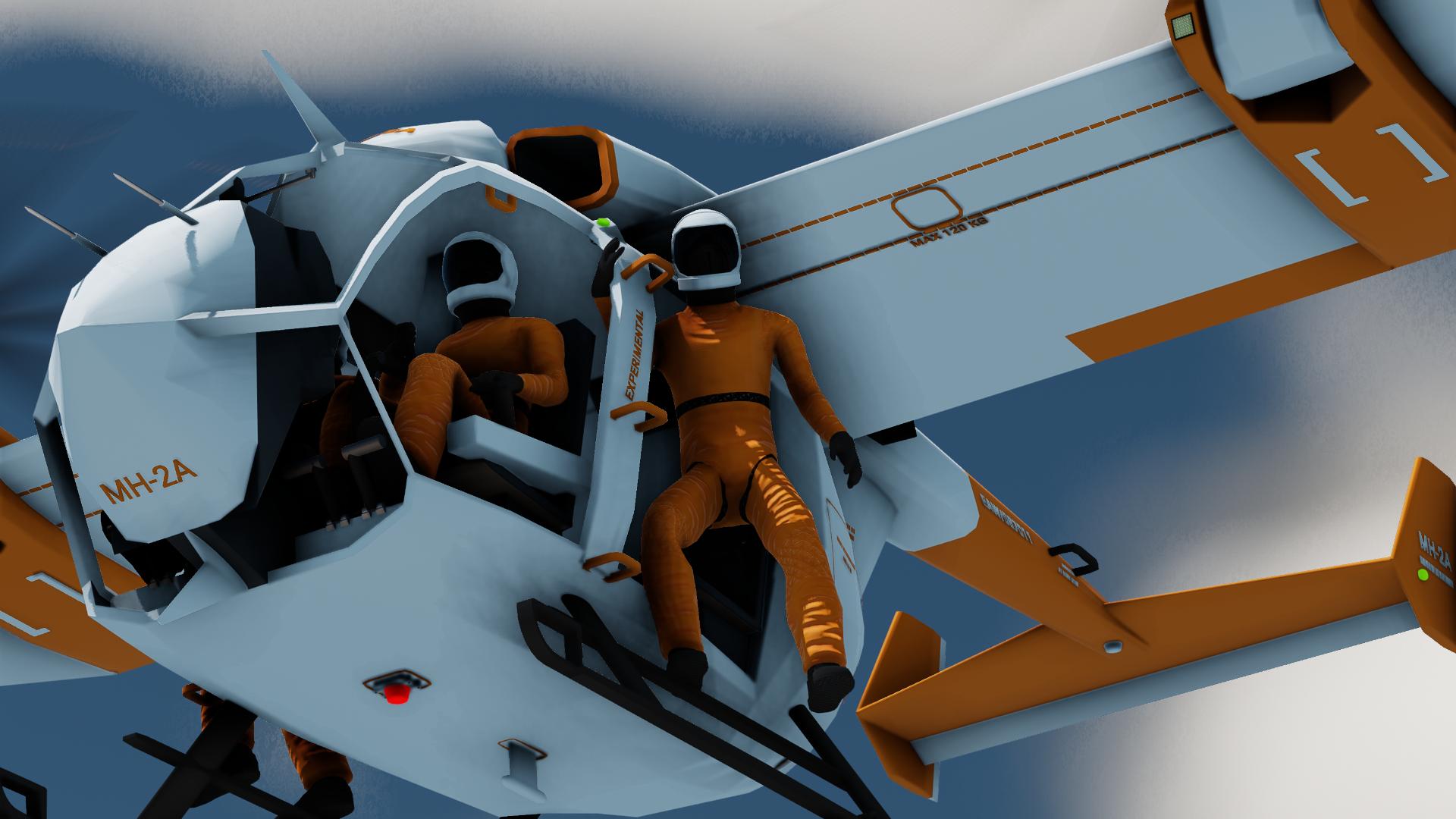
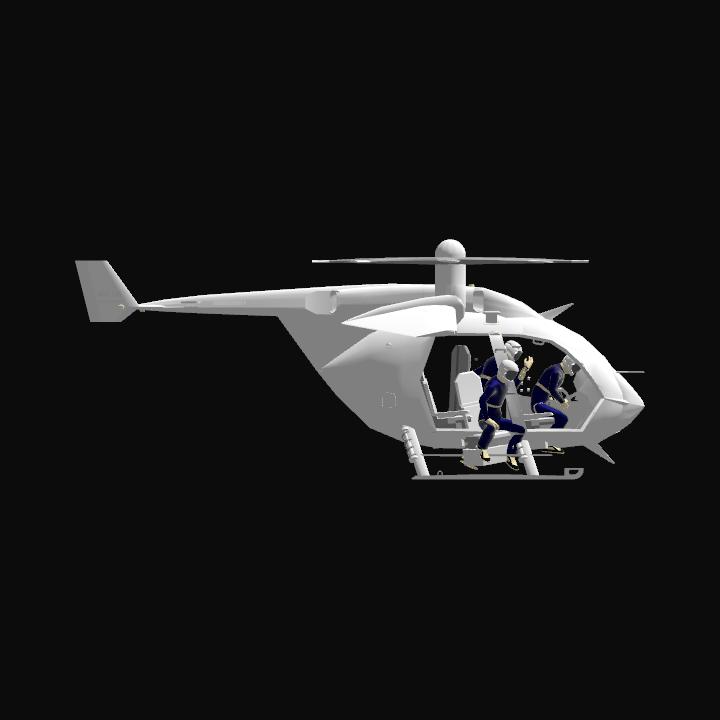
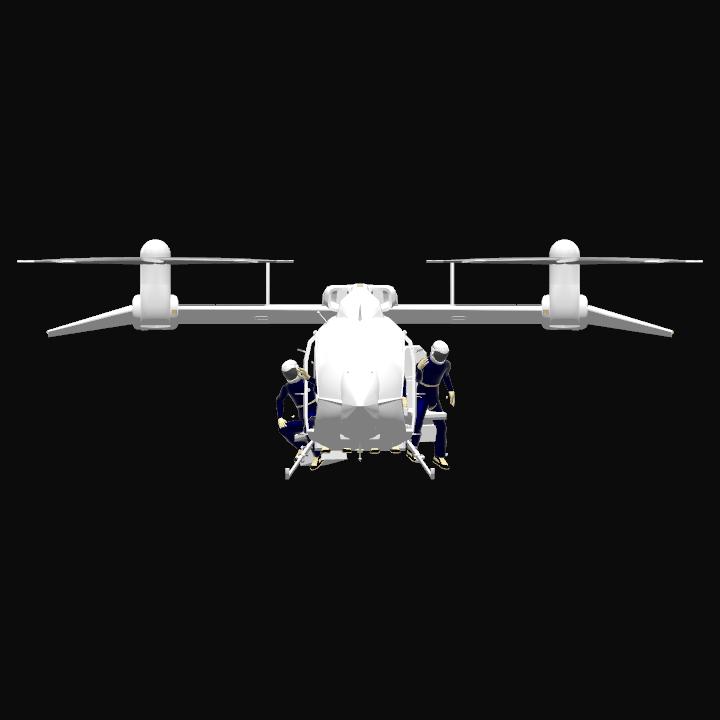
The MH-2A is the result of our engineers working hard and snorting hard (metaphorically) to convert the famously maneuverable MD500 Little Bird into a Tiltrotor Helicopter. Said result is presented here as the MH-2A; nicknamed "Fast Bird" (very creative). A faster helicopter while maintaining the dimensions and capabilities of the original bird.
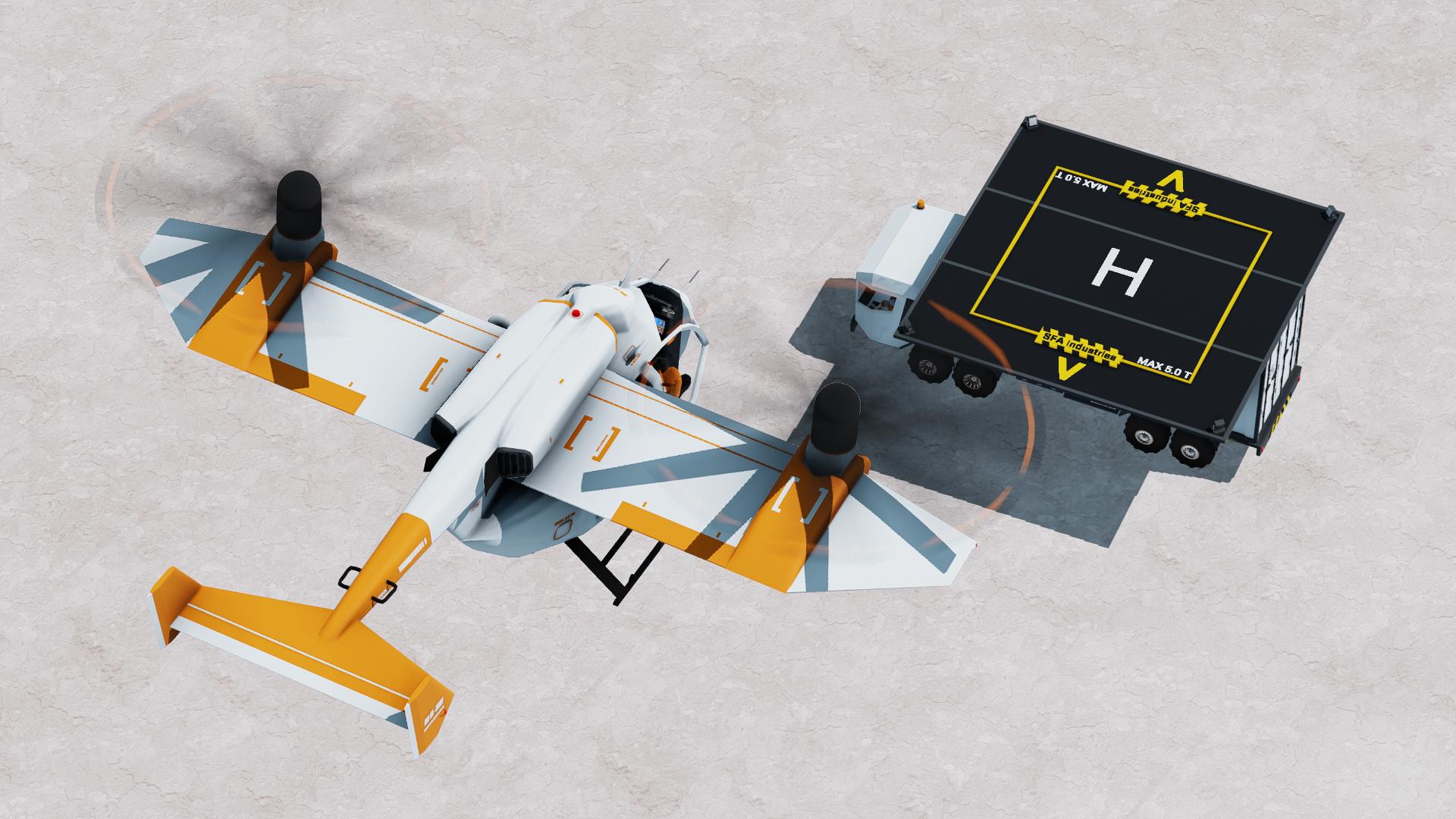
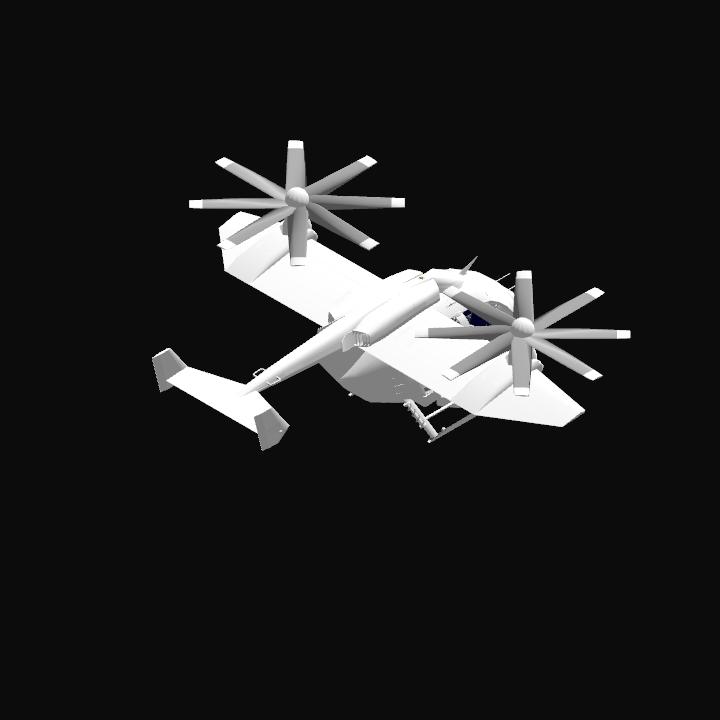
The MH-2A was initially made from an (allegedly) decommisioned MD500 Airframe, Replacing the stock engine, skids, and tailboom with a twin pack turboshaft engine, SFA classic Twin Tails Empennage, a new 9.0 m^2 Main wing and two Eight Bladed Propeller-Tiltrotor Mechanism [1] that actually delivers the over double increase in forward velocity that the MRH-1 fails to meet. But as every project after the Downsizing, two issues arose.
First, the supplier for the Twin Pack Engine failed to produce the engine on schedule and thus an alternate method of powering is required, which is what a couple of electric motors can do. Due to the removal of the old engine and the proposed external mounting of the Twin Pack engines, space was sufficient to install Li-Ion Batteries in the old engine compartment and fuel tanks to give the Fast Bird an eco friendly edge at the cost of halving the range, causing RPM Mismatch, and nearly doubling the weight. It is Critical to not exceed 80% collective (indicated by the yellow arc in the cockpit) during normal hover operations. Once the engine supplier delivers the Twin Pack Engines, Converting the Fast Bird back to turboshaft power is necessary to gain back the range and weight advantage.
Second, Propeller Clearance. It is generally accepted that a 5 deg minimum clearance from the propeller hub center to forward and aft so that when a blade failure occurs, no critical components would be hit. Thus when operating in Forward Flight Mode, it is absolutely critical that no person are to lean out or remain exterior of the fuselage.
The Fast Bird is equipped with the 2nd gen Hover Assist [2], developed from the MRH-1, which works great during approaches to landing, as well as PFDs and HUDs to assist the pilot during operations.
[1] See Controls
[2] See Activation Groups
------ [ SPECIFICATIONS ] ------
MTOW: 2,800 kg
Length: 7.45 m
Width: 8.97 m
Height: 3.29 m
Max Thrust: 43.6 kN at SSLC
Max Speed: 120 m/s (432 kph)
Crew: 2/1
Pax: 2/3
------- [ CONTROLS ] -------
Standard Aircraft Controls
Throttle : Collective Controls
Slider 1: Manual Tilt Controls
------ [ ACTIVATION GROUPS ] ------
1: Automatic Forward Flight Transition
2: Hover Assist
3:
4:
5:
6:
7:
8: Landing Lights
9: Nav Lights
10: Engine Activation
------ [ OPERATOR MANUAL ] ------
IMPORTANT: DO NOT OPERATE TILT MECH ABV 15 DEG WITH EXTERNAL PERSONNEL
When maeuvering in Hover Mode, Keep an eye on the RPM of the rotors as exceeding 80% may cause mismatch to occur.
Ballast may be needed when operating with two crew and no pax/cargo.Hover starts at around 61% collective at SSLC.
Transitioning from Auto Forward Flight requires dropping Collective until finished rotating, then apply Collective as appropriate.
GENERAL INFO
- Created On: Windows
- Game Version: 1.3.205.0
- Price: $214k
- Number of Parts: 630
- Dimensions: 3 m x 9 m x 7 m
PERFORMANCE
- Total Delta V: 0m/s
- Total Thrust: 1kN
- Engines: 4
- Wet Mass: 2,622kg
- Dry Mass: 2,622kg
STAGES
| Stage | Engines | Delta V | Thrust | Burn | Mass |
|---|


I added 2 gyros I set to my standard specs in the intakes and it flew like a dream. My gyros are pretty potent, and I set them to electricity drain of 0.0001, power of 99999999, then go to advanced properties, and set part stability to 50. That's important. Take off auto resize to prevent the tinkering from resetting and position in an optimal position relative to COM and it's rock solid. I love the design by the way. Very neat concept. I'm still practicing getting these highly detailed custom designs nailed lol. The game offers a vast range of customizable features that can take a long time to master. But thanks for this build, it's pretty beast. Love the detail in the cockpit.