

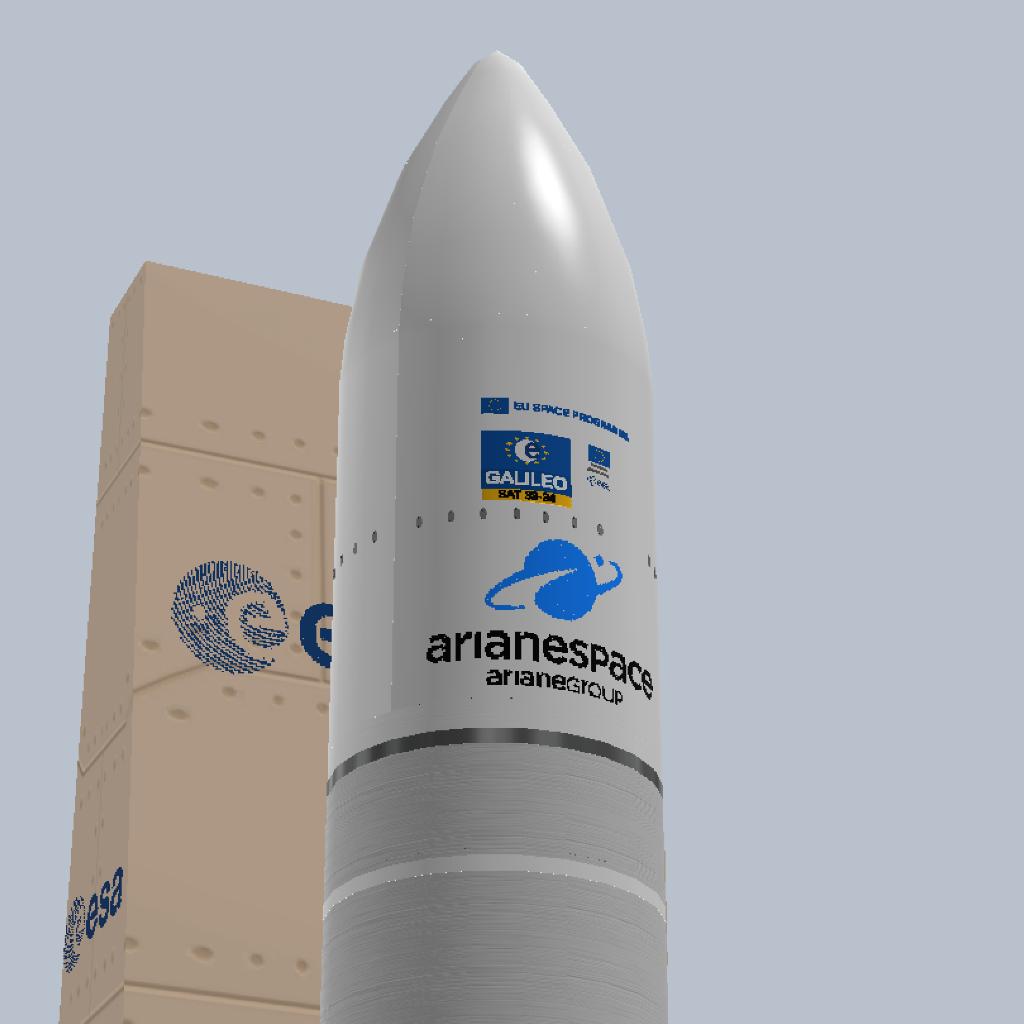
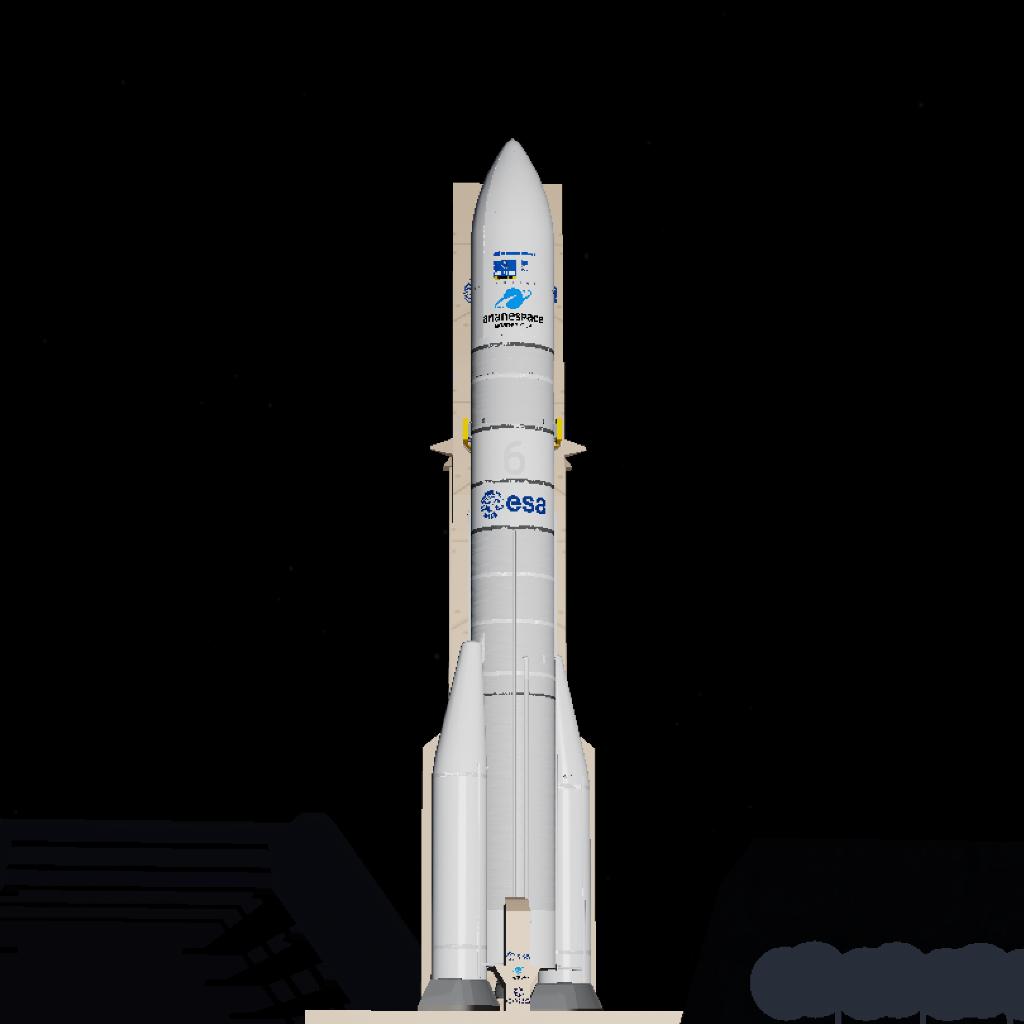
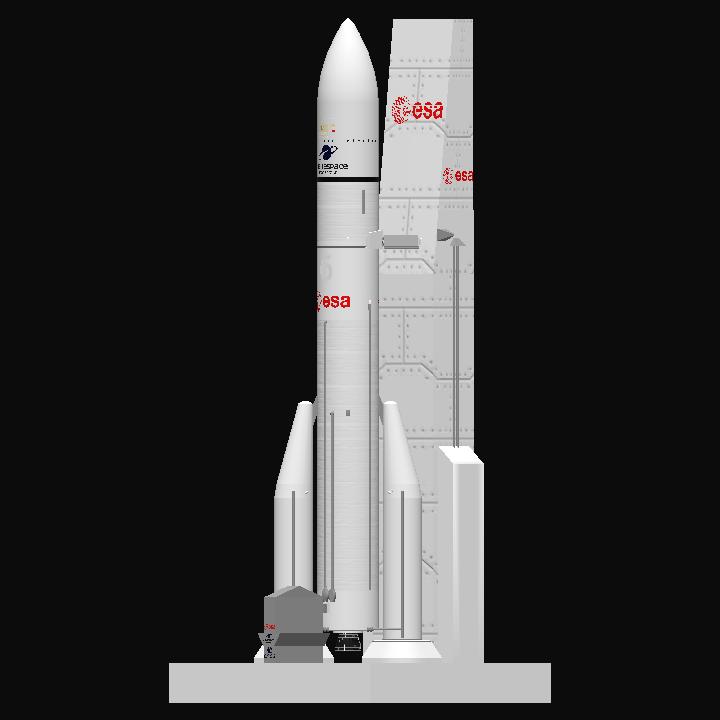
Ariane 6 rocket
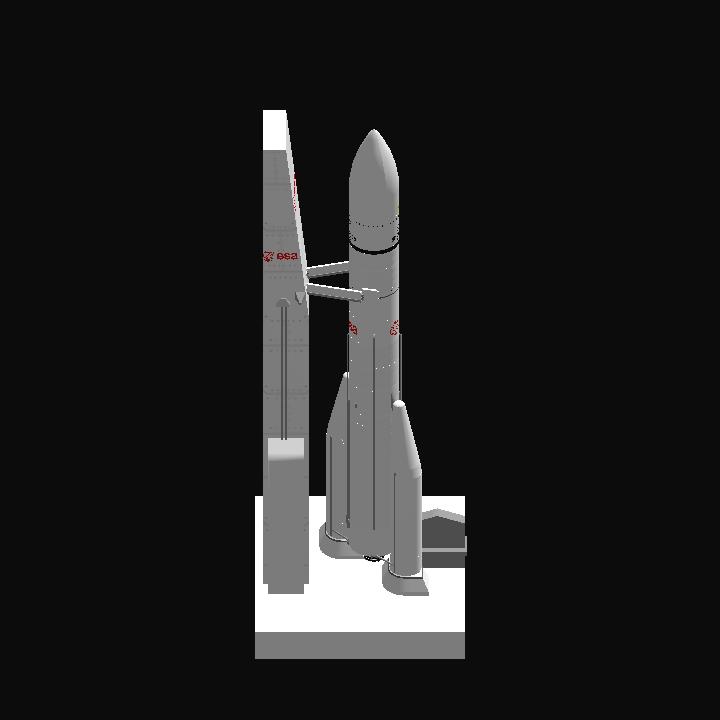
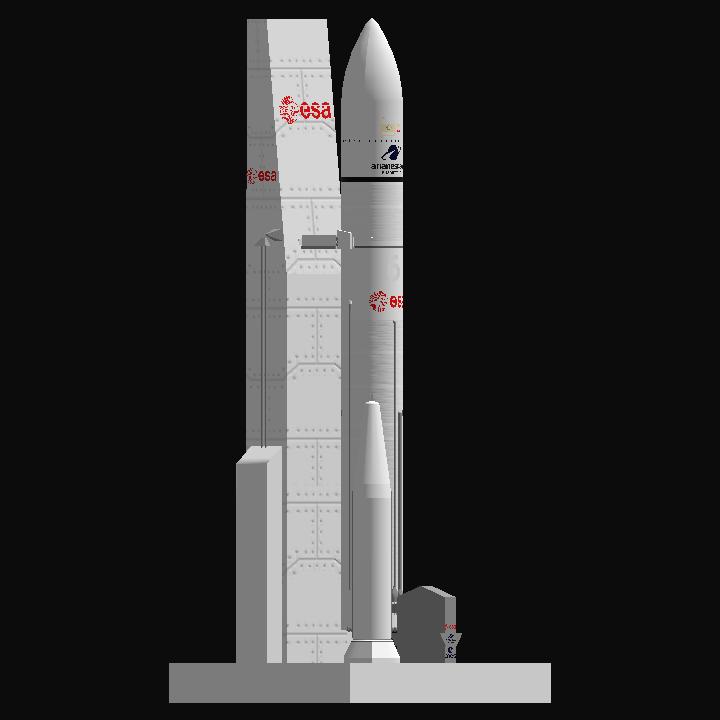
Ariane 6 comprises three stages: two or four boosters, and a main and upper stage – known together as the central core.
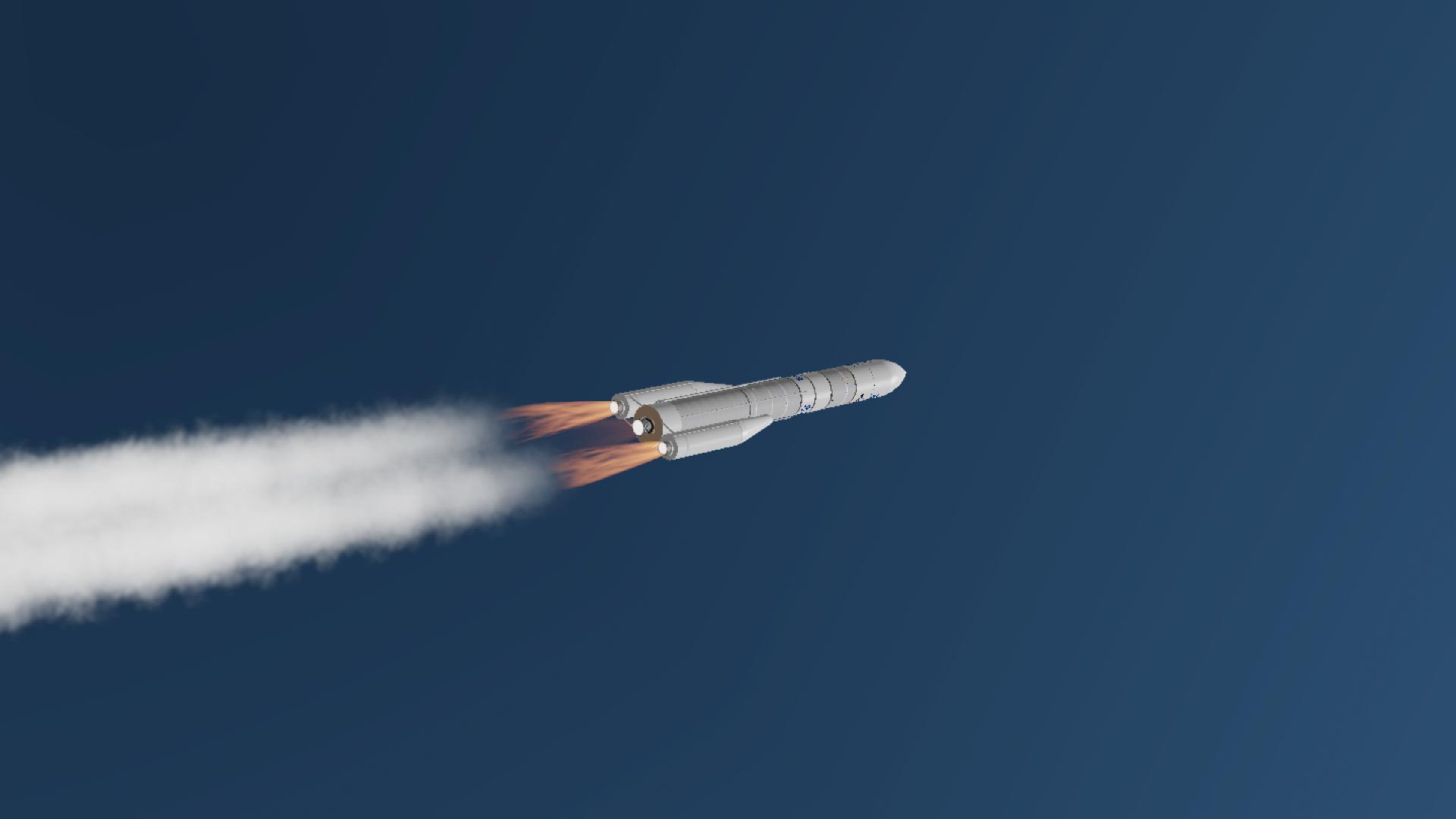
The main stage together with the solid rocket boosters propels Ariane 6 in the first phase of flight. The core stage is powered by the liquid-fuelled Vulcain 2.1 – an upgraded engine derived from Ariane 5’s Vulcain 2 – and the P120C boosters provide additional thrust at liftoff.
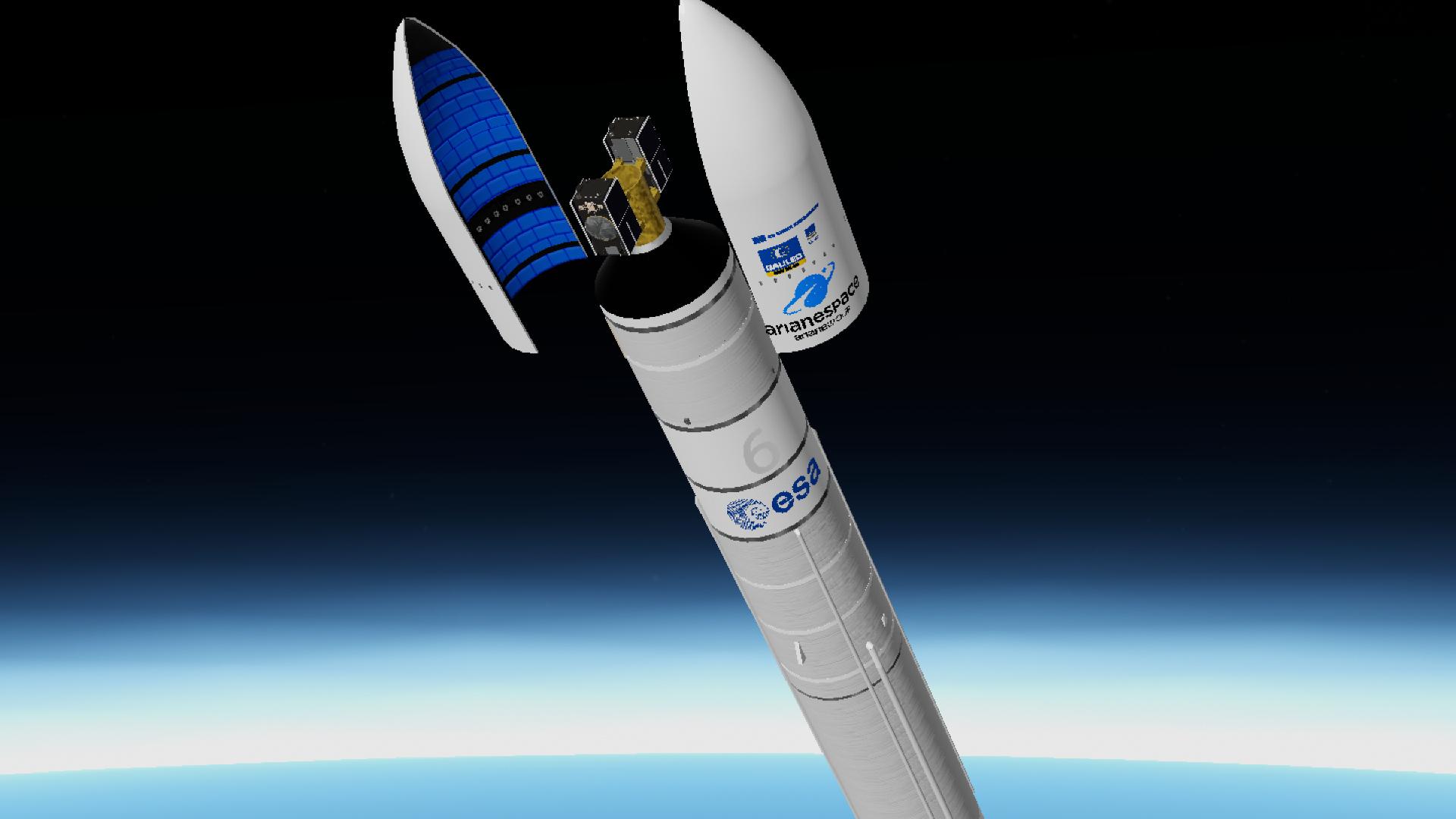
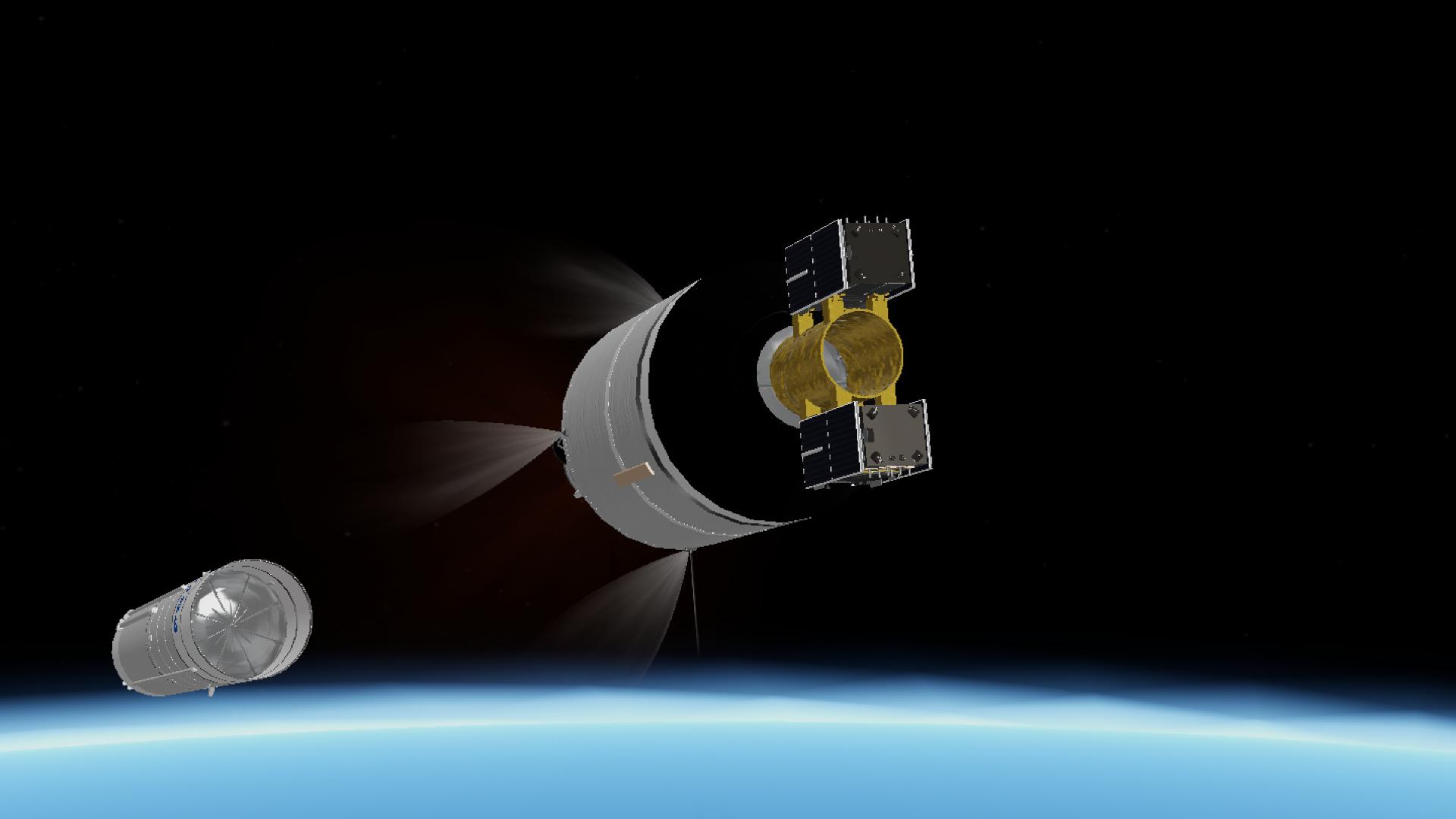
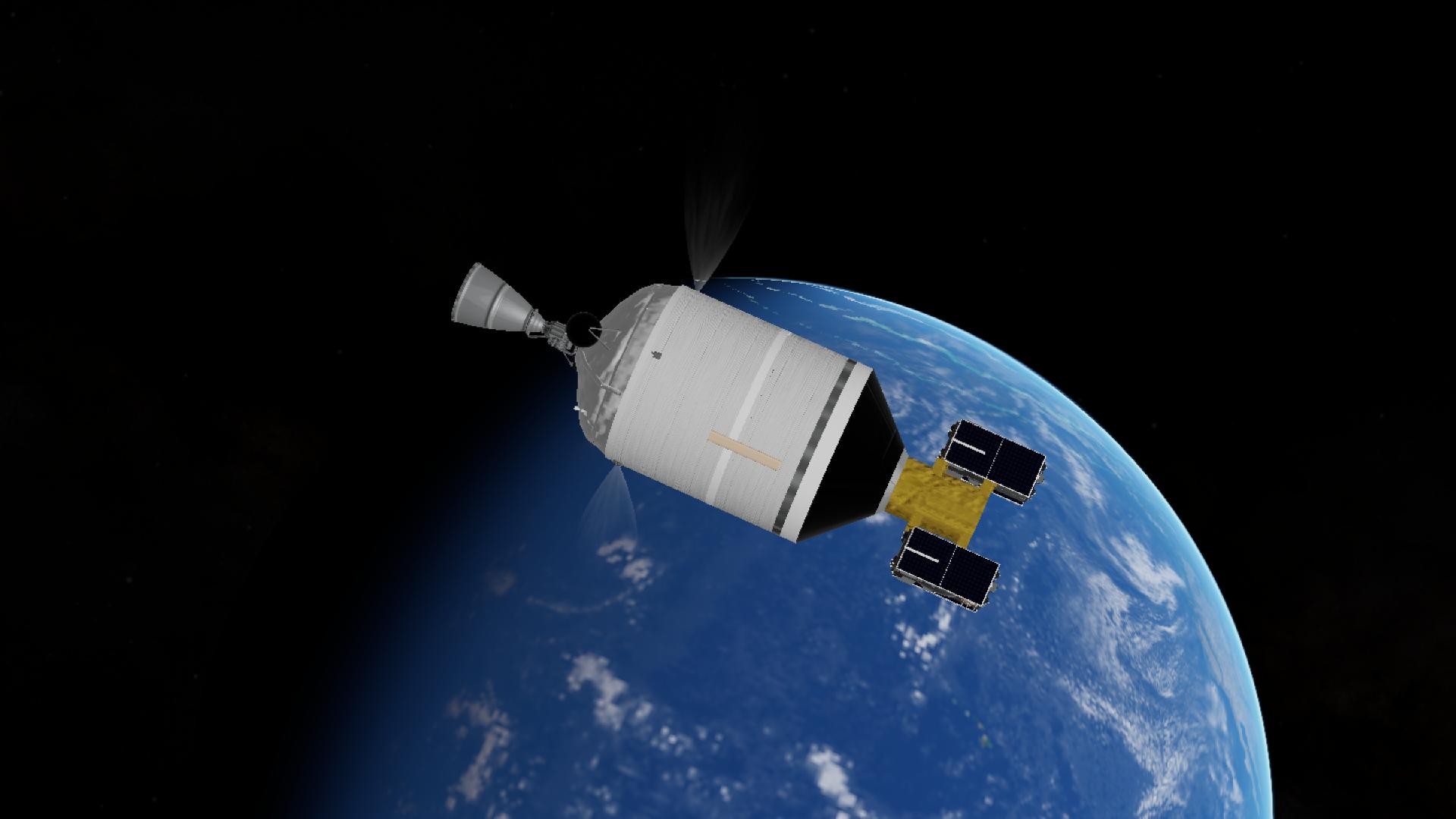
The upper stage is powered by the reignitable Vinci engine fuelled by cryogenic liquid oxygen and hydrogen. This allows Ariane 6 to reach a range of orbits on a single mission to deliver more payloads. The upper stage will typically burn multiple times to reach the required orbits. After separation of the payload, there will be a final burn to deorbit the upper stage and reduce space debris.

GALILEO L14
Ariane 6 L6005 at ELA-4 - Guyana Space Center, Kourou
•On December 17, 2025, with Ariane 6, Arianespace successfully placed into orbit a pair of Galileo satellites for the European Space Agency (ESA), on behalf of the European Commission and the European Union Agency for the Space Programme (EUSPA).
•The satellites SAT 33 and SAT 34 are part of the 14th launch of the Galileo program (Galileo L14). Both join the constellation of first-generation Galileo satellites, to strengthen the precision, availability and robustness of Europe's navigation satellite system.
•The VA266 mission was the fifth launch of Ariane 6, Europe's heavy-lift launcher. It was performed with an Ariane 62 (two boosters).
•With this launch, Arianespace supports a critical European navigation satellite system and guarantees Europe's autonomous access to space.
A fight with falling: Ariane 6 flying to orbit
( please read)
The gravity turn program leads the vehicle through a trajectory similar to the real one, with the boosters separating in a close altitude and speed (though this vehicle is lighter and these boosters have some seconds less of burn), the same goes to the fairing separation.
After the fairing sep., the vehicle is on your control: keep an eye on the angle and other on the time to apogee, otherwise you can start losing altitude. This isn't something strange to an Ariane, but you have to be careful: if your vertical speed is too fast down you might have no time to recover.
I strongly recommend you to watch the Ariane 6 Galileo L14 launch or others launches and pay attention to the vehicle's speed and altitude through the flight if you don't know how it works.
OBS:
•To avoid problems with the time counter, leading to a incorrect boosters separation, after take off you cannot control the time until boosters separation at ≈T+130s.
•The time counter will stop together with the first satellite deployment. If you don't want it, erase the display part of the counter from the flight program or change the condition to break the loop.
•The upper stage's Vinci engine supports warp burns BUT ALWAYS CONFIRM IF IT'S REALLY GENERATING THRUST, pay attention to the speed while in warp burn.
Credits:
—Logos
IF YOU LIKE IT, PLEASE UPVOTE. THANK YOU.


GENERAL INFO
- Successors 1 craft(s)
- Created On: Android
- Game Version: 1.3.205.0
- Price: $28,266k
- Number of Parts: 724
- Dimensions: 60 m x 34 m x 34 m
PERFORMANCE
- Total Delta V: 10.4km/s
- Total Thrust: 11.3MN
- Engines: 20
- Wet Mass: 5.64E+5kg
- Dry Mass: 90,922kg
STAGES
| Stage | Engines | Delta V | Thrust | Burn | Mass |
|---|---|---|---|---|---|
| 1 | 1 | 1.3km/s | 1.3MN | 7.8m | 5.64E+5kg |
| 2 | 2 | 2.2km/s | 9.6MN | 78s | 5.1E+5kg |
| 3 | 0 | 0m/s | 0N | 0s | 2.12E+5kg |
| 6 | 1 | 6.9km/s | 180kN | 13.1m | 39,718kg |
7 Comments
- Log in to leave a comment
-
-
3,582 JotaVe2 months ago
@EAEPtecnologes Eu vou fazer o 64 com algum satélite geoestacionário, tipo alguma missão da SES ou EUTELSAT. Talvez depois eu faça uma missão com alguma sonda ou lander com ele, tipo o levar lunar lander que a ESA tá desenvolvendo. Não faz sentido um 64 com Galileo, mas eu vou disponibilizar os 2 em breve.
-
2,352 EAEPtecnologes2 months ago
@JotaVe você poderia fazer a missão Galileo com a versão 64? Do Ariane 6
-
-
3,582 JotaVe2 months ago
@EAEPtecnologes Ah, só rotacionei o fairing pra posição correta e adicionei o algoritmo pra desligar o CGRS durante o time warp, pra não gastar o combustível
-

9 Upvotes
Log in in to upvote this post.
Way better than mine. Bravo!