

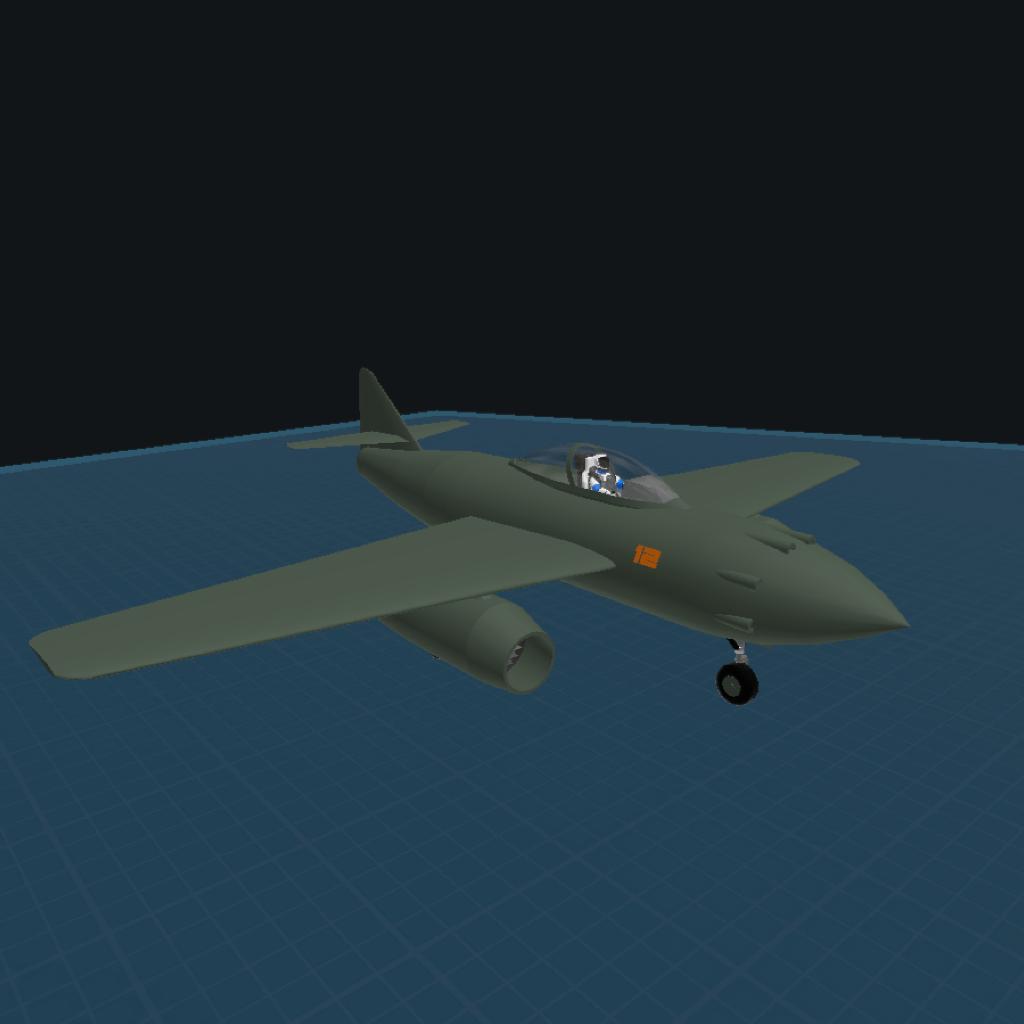
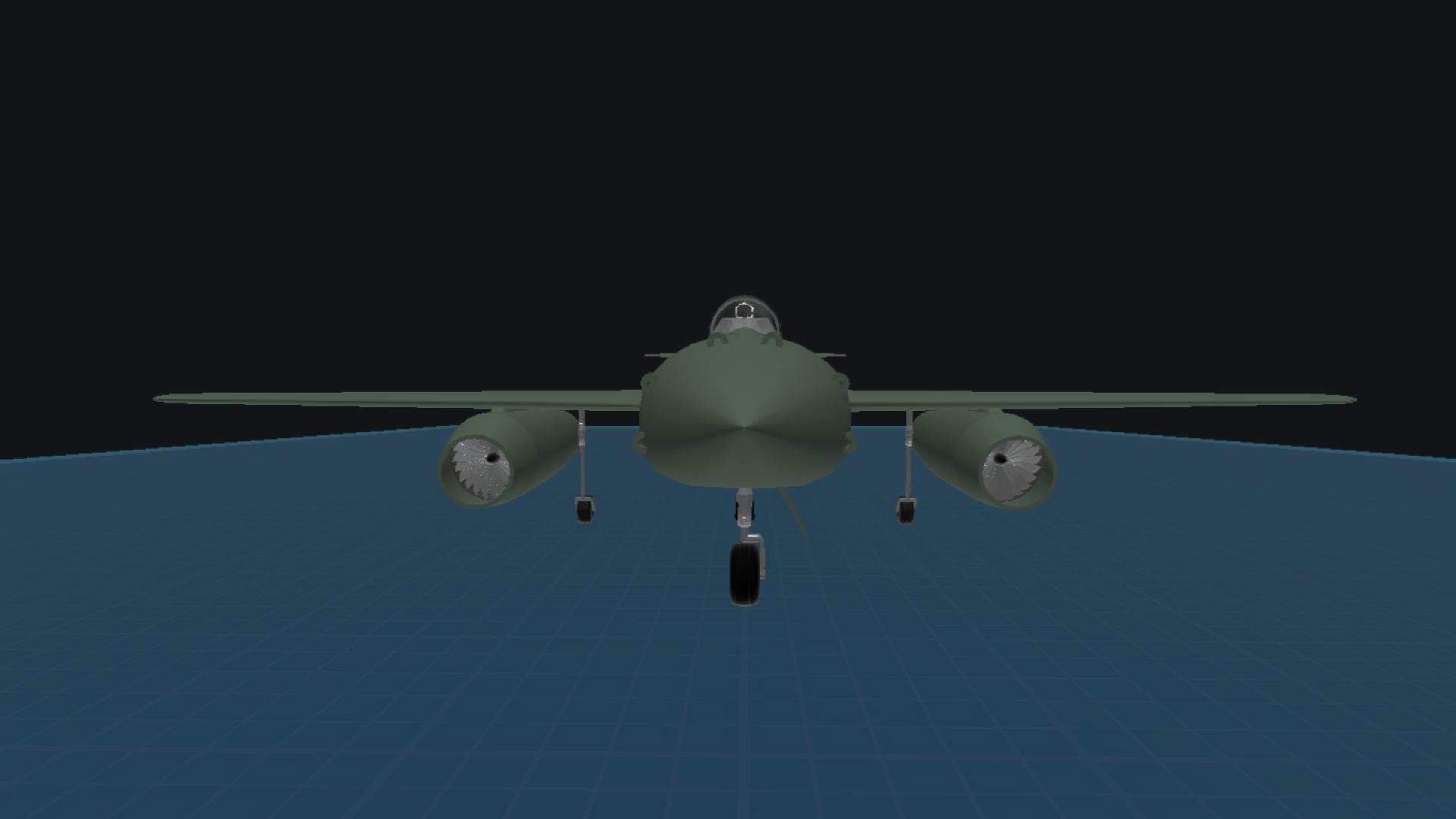
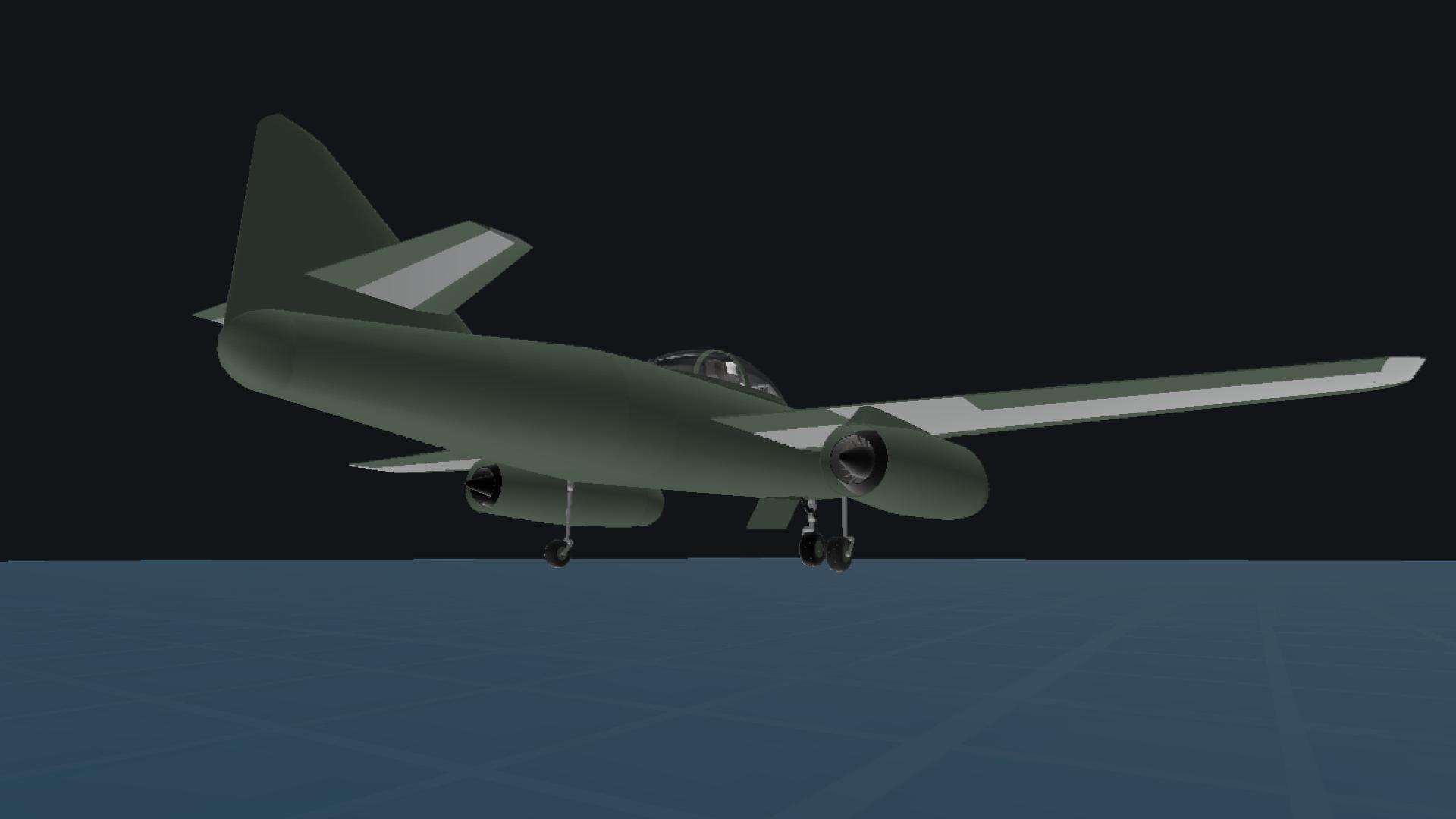
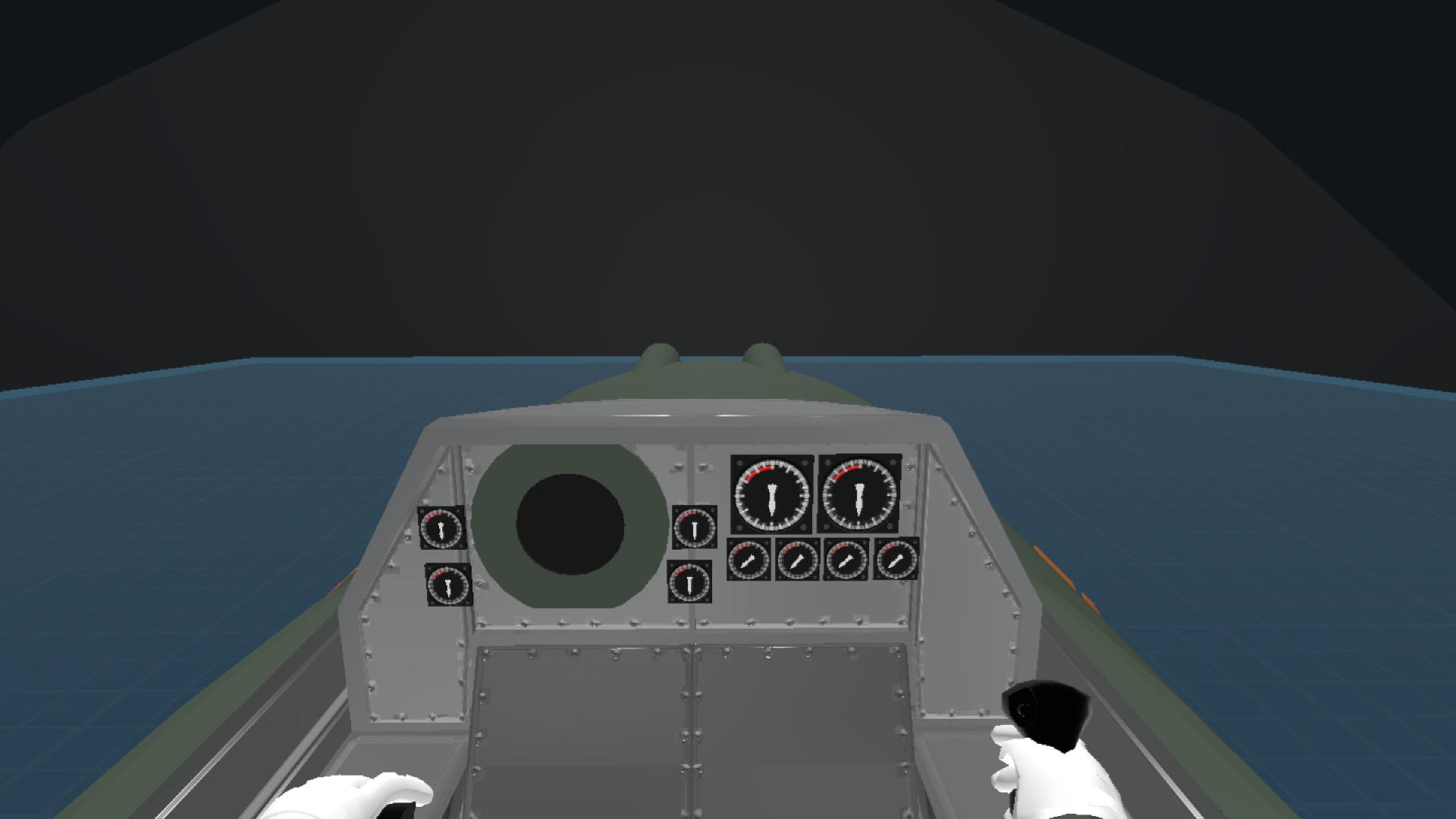
The Messerschmitt Me-260A-1 was conceived in late 1943 as the Reichsluftfahrtministerium pushed for an emergency jet fighter capable of countering increasingly dominant Allied air power. Building on aerodynamic lessons learned from earlier experimental aircraft, Messerschmitt engineers focused on simplicity, speed, and rapid production over pilot comfort. The design emphasized a compact fuselage, straight wings for stability at high subsonic speeds, and a single turbojet optimized for reliability rather than raw thrust. By early 1944, prototype testing demonstrated promising performance, prompting accelerated development despite worsening material shortages.
The Me-260A-1 officially entered limited service in mid-1944, primarily assigned to home defense interceptor units. Its role centered on rapid climb and short interception windows against high-altitude bomber formations, where conventional piston fighters were struggling. Although not as fast as some contemporary experimental jets, the aircraft proved easier to maintain and quicker to deploy from damaged airfields. Pilots reported stable handling and good visibility, though endurance remained limited due to fuel constraints.
Operational service of the Me-260A-1 was brief but intense, with sorties concentrated during the final year of the war. The aircraft achieved moderate success in disrupting bomber formations, forcing escorts to divert attention and reducing bombing accuracy in several engagements. Mechanical reliability improved over time, though spare parts shortages and trained pilot availability severely limited operational numbers. By early 1945, continued Allied advances and fuel scarcity sharply reduced flight operations.
Despite its late introduction, the Me-260A-1 influenced postwar jet development through captured airframes and technical documentation. Allied engineers studied its pragmatic design choices, particularly its balance between performance and manufacturability. While it never reached full-scale production, the aircraft represented a transitional step between early experimental jets and more refined postwar fighters. Today, the Me-260A-1 is remembered as a product of desperation, innovation under pressure, and the rapid evolution of jet aviation during the closing chapter of the conflict.
Armament:
6x 30mm Mk.108 Cannons
Note:
Use the flaps to turn and take off better, otherwise it turns very slow.
GENERAL INFO
- Created On: Android
- Game Version: 1.3.204.1
- Price: $6,935k
- Number of Parts: 69
- Dimensions: 4 m x 16 m x 12 m
PERFORMANCE
- Total Delta V: 0m/s
- Total Thrust: 300N
- Engines: 3
- Wet Mass: 14,214kg
- Dry Mass: 5,841kg
STAGES
| Stage | Engines | Delta V | Thrust | Burn | Mass |
|---|---|---|---|---|---|
| 1 | 2 | 0m/s | 0N | 0s | 14,214kg |


