

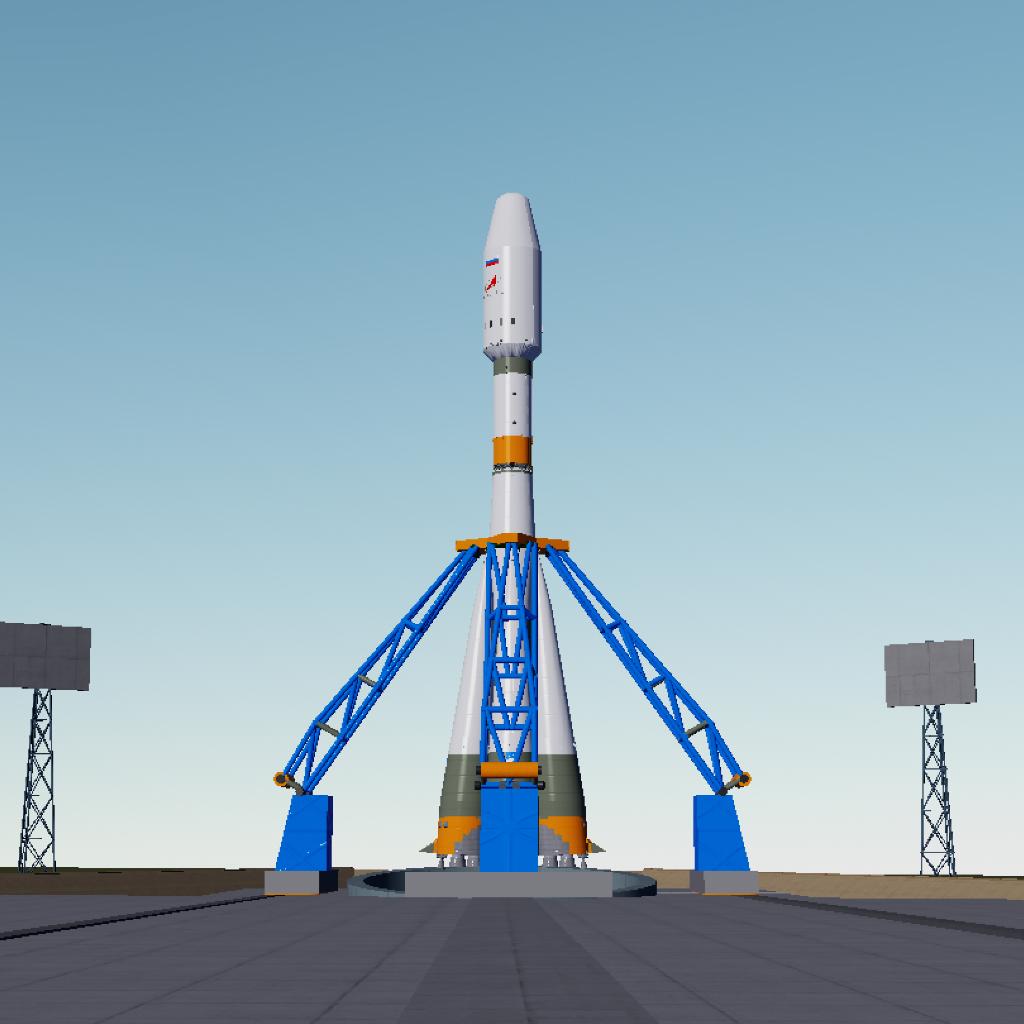
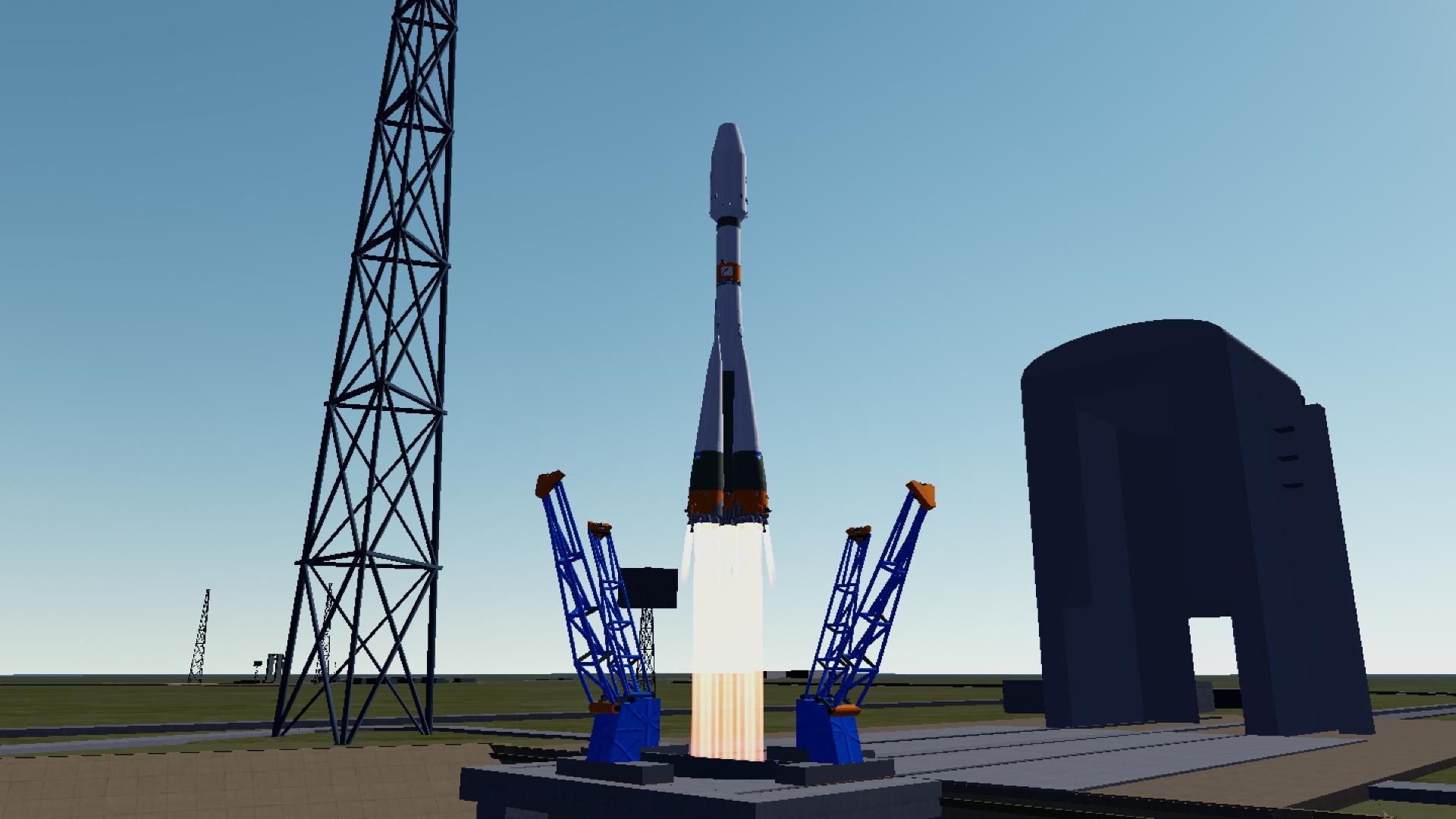
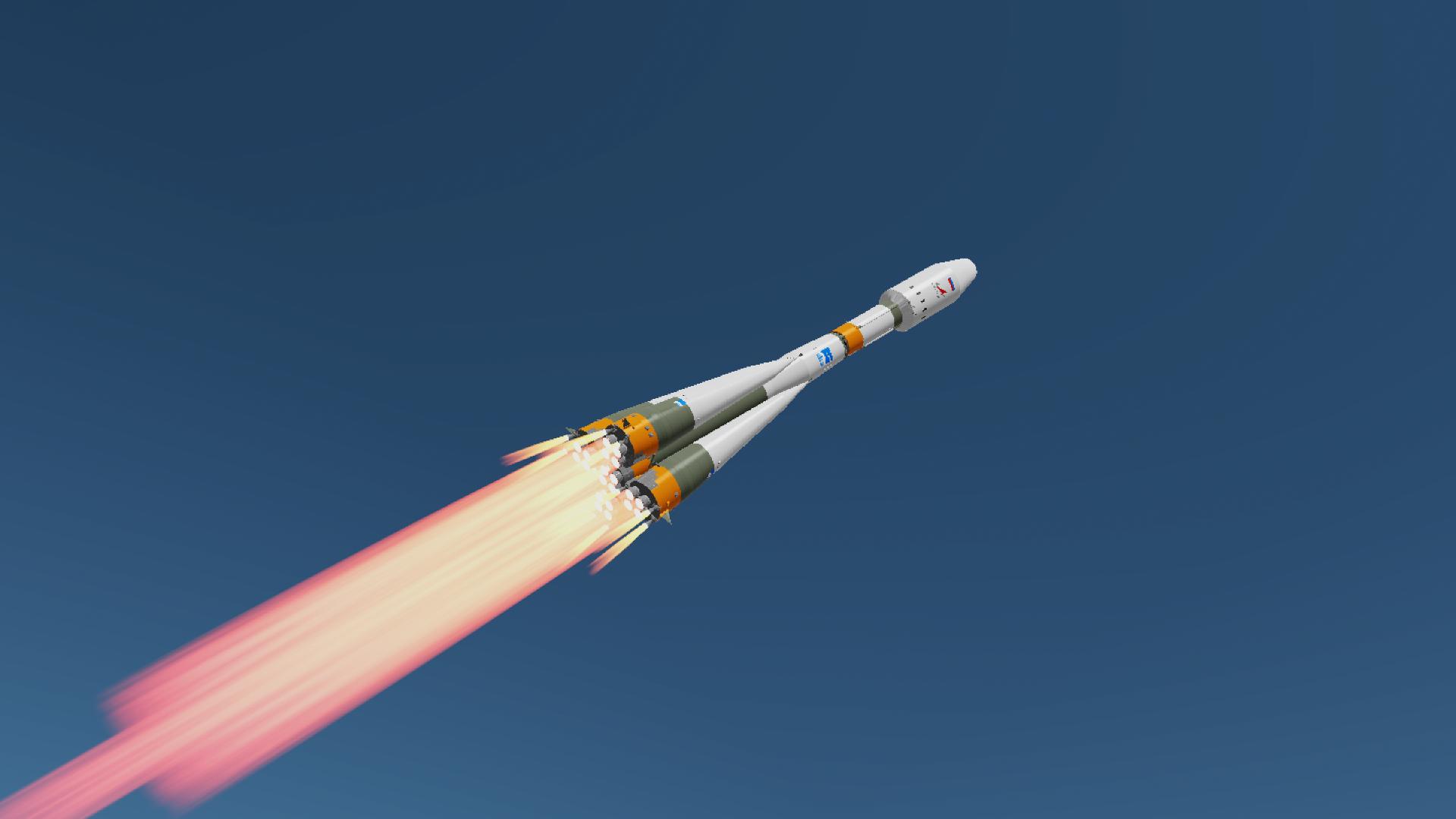
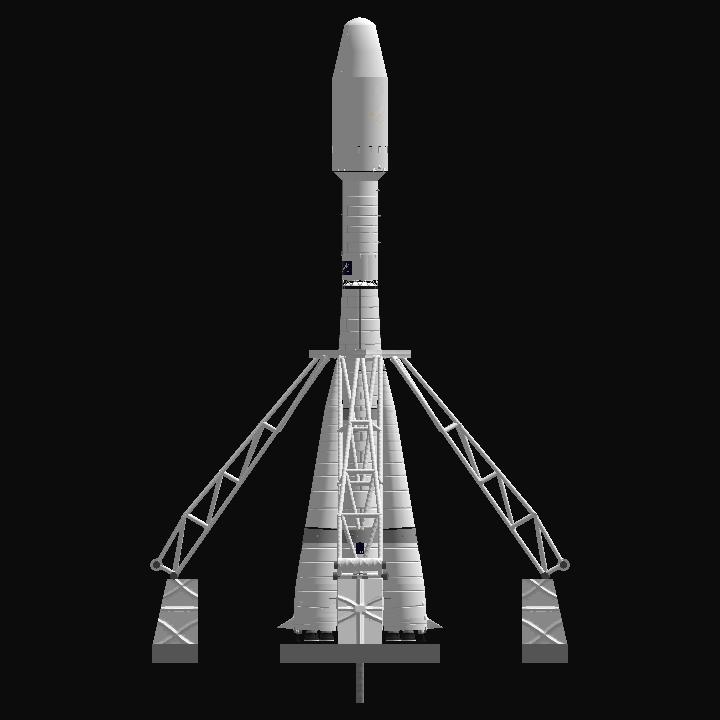
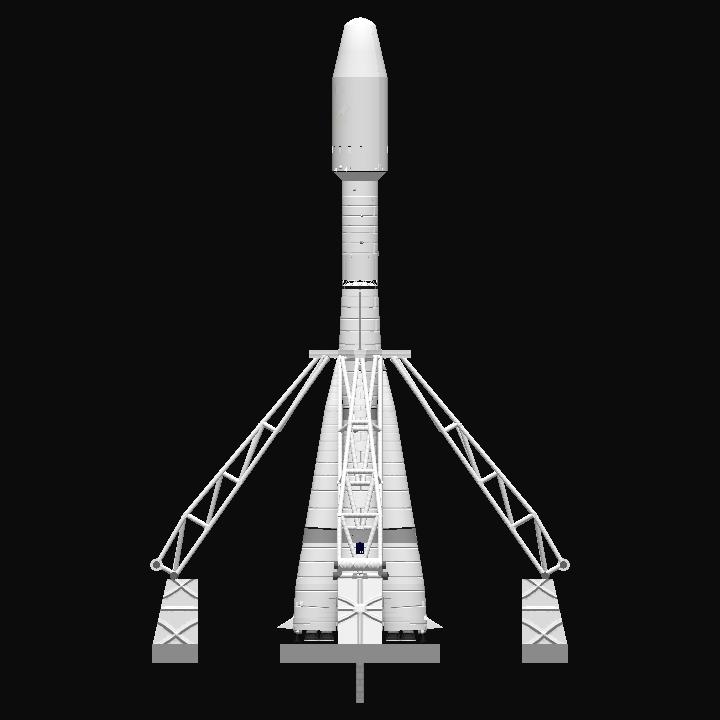
Soyuz 2.1b
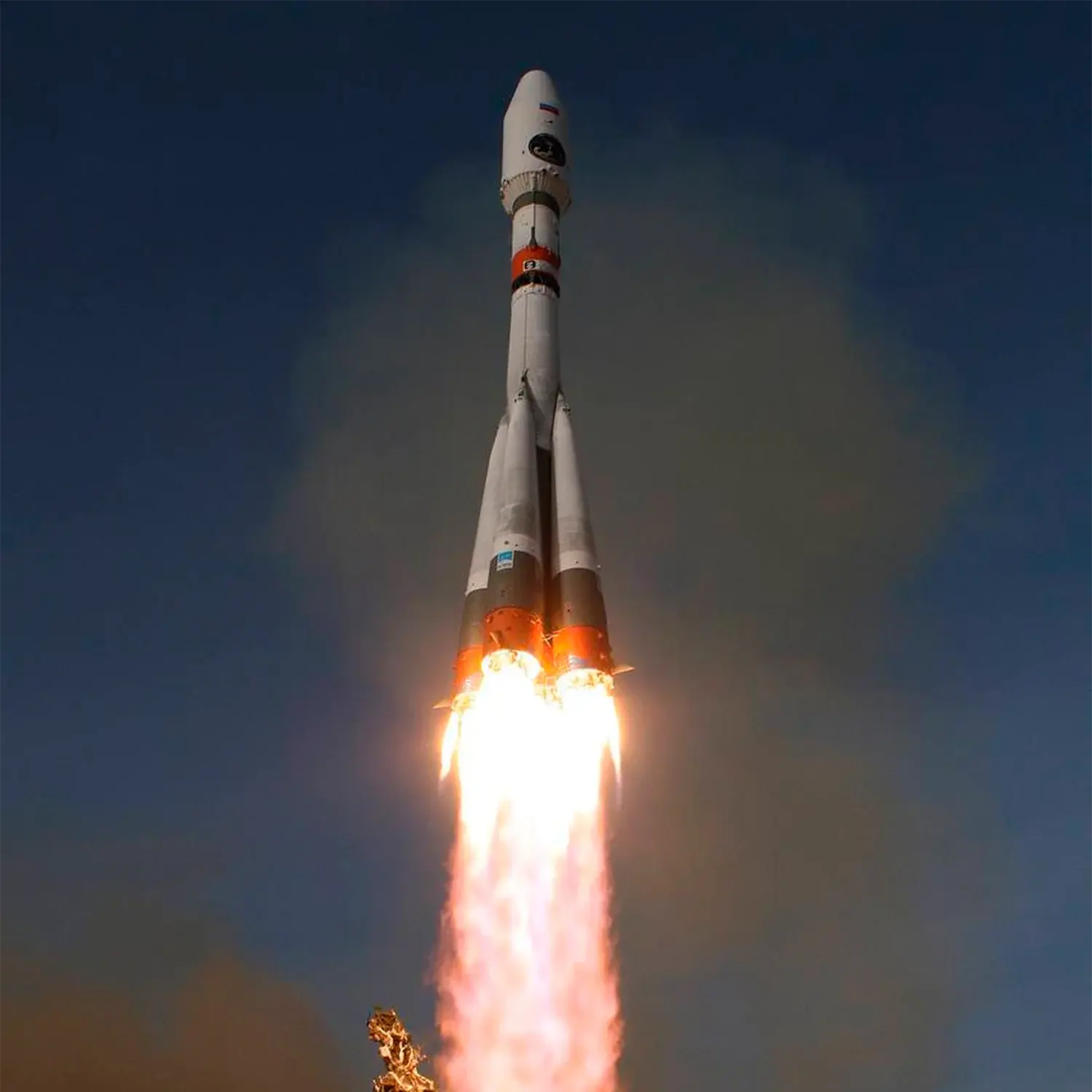
Developed by the Progress Rocket Space Centre (RKTs Progress) in Samara, Soyuz-2 is used to place payloads into low Earth orbit in standard configuration but can also support missions to higher orbits using an additional upper stage, most commonly the Fregat, though the smaller Volga is available as a less expensive option. Since its introduction in 2004, Soyuz-2 has gradually replaced earlier Soyuz variants and is launched from the facilities of its R-7 derived predecessors: Site 31/6 at the Baikonur Cosmodrome in Kazakhstan and Sites 43/3 and 43/4 at the Plesetsk Cosmodrome in northwestern Russia, and, since 2016, Site 1S at the Vostochny Cosmodrome in eastern Russia.
The Soyuz‑2 family includes several variants. The base model, Soyuz‑2.1a, debuted on 8 November 2004, followed by the Soyuz‑2.1b, with a 15 percent more powerful third stage, on 27 December 2006. A derivative version, Soyuz‑ST, was introduced in 2011 with modifications for operation at the Guiana Space Centre, the European Space Agency's launch site in French Guiana.
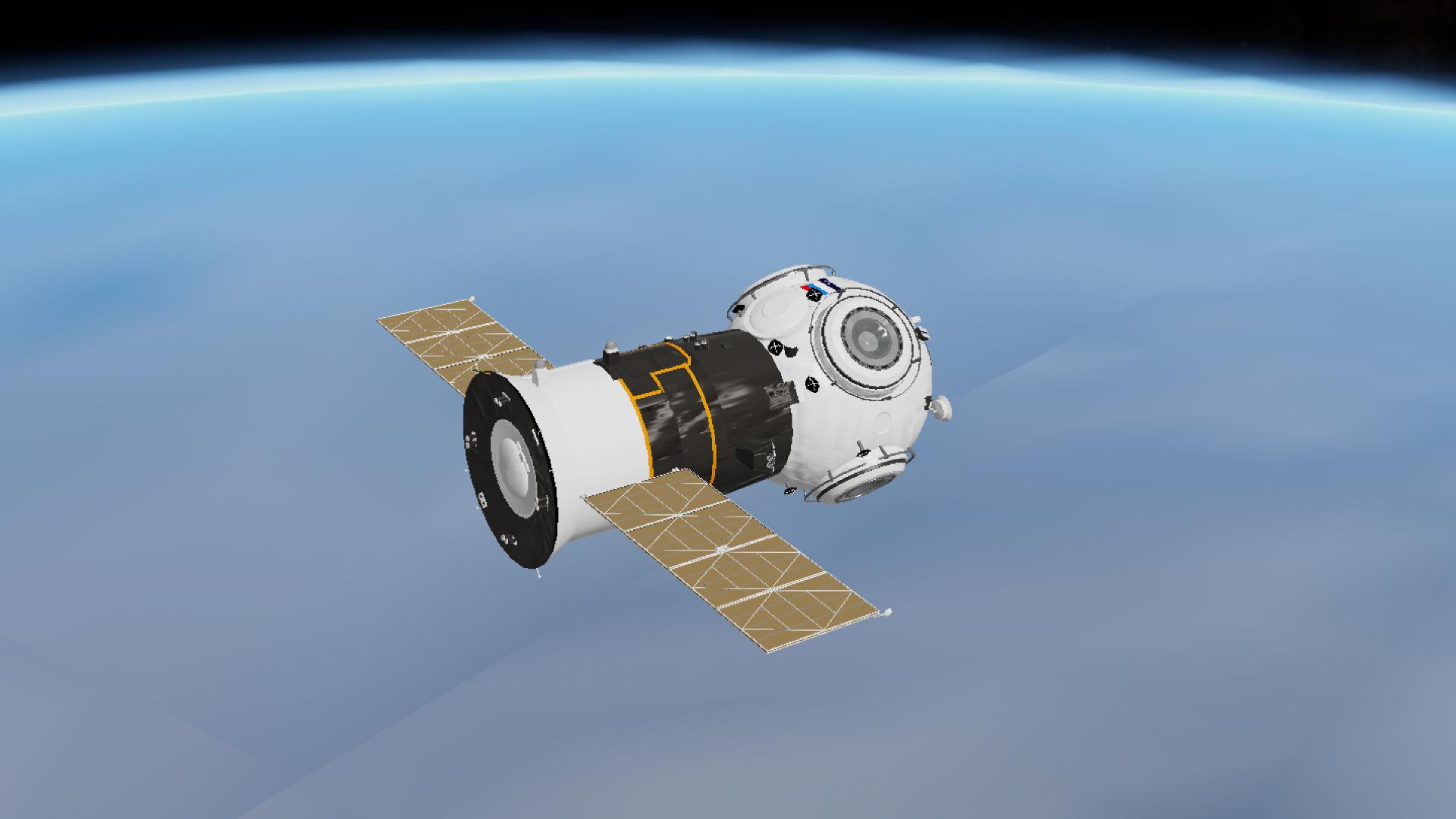
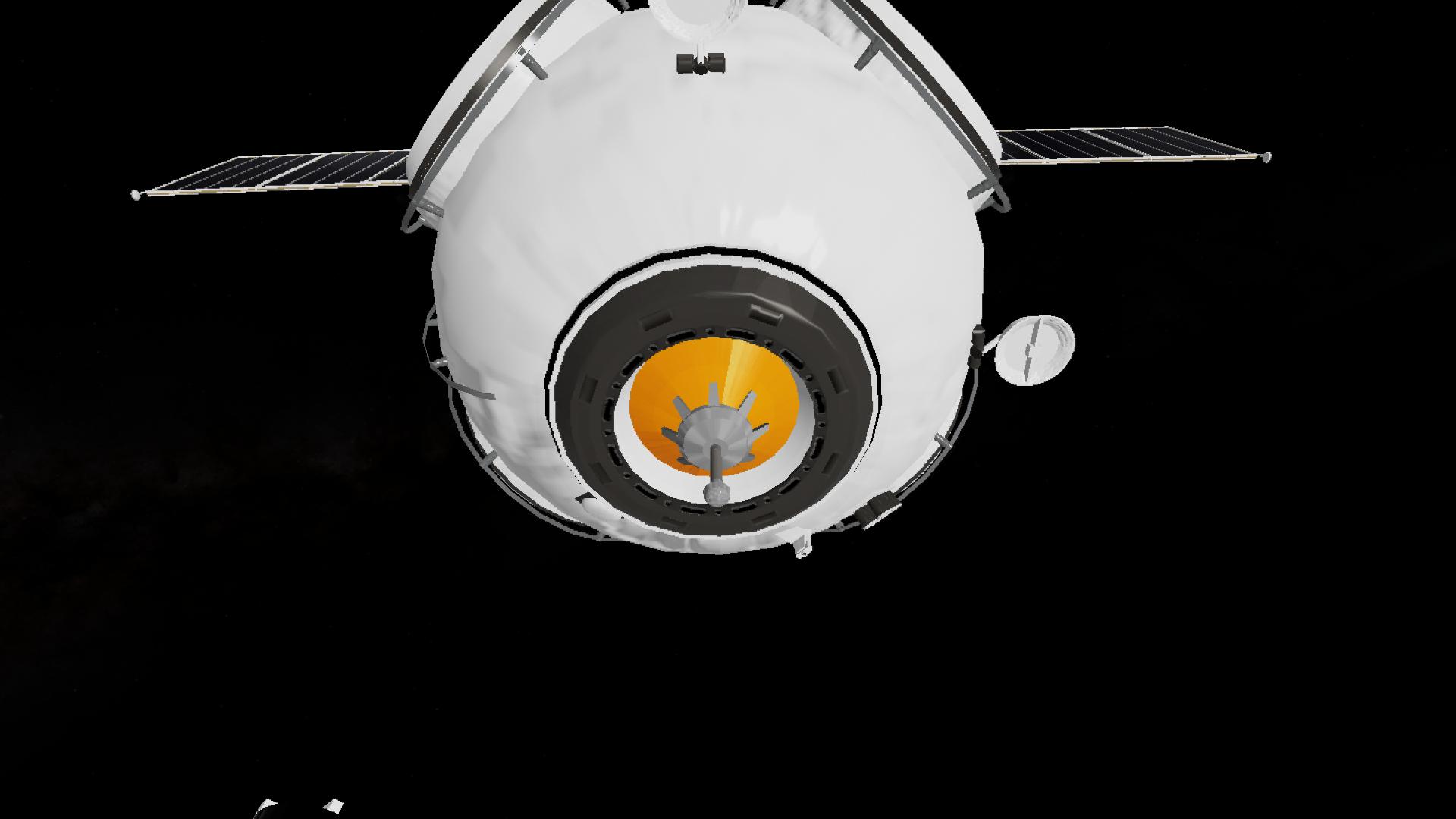
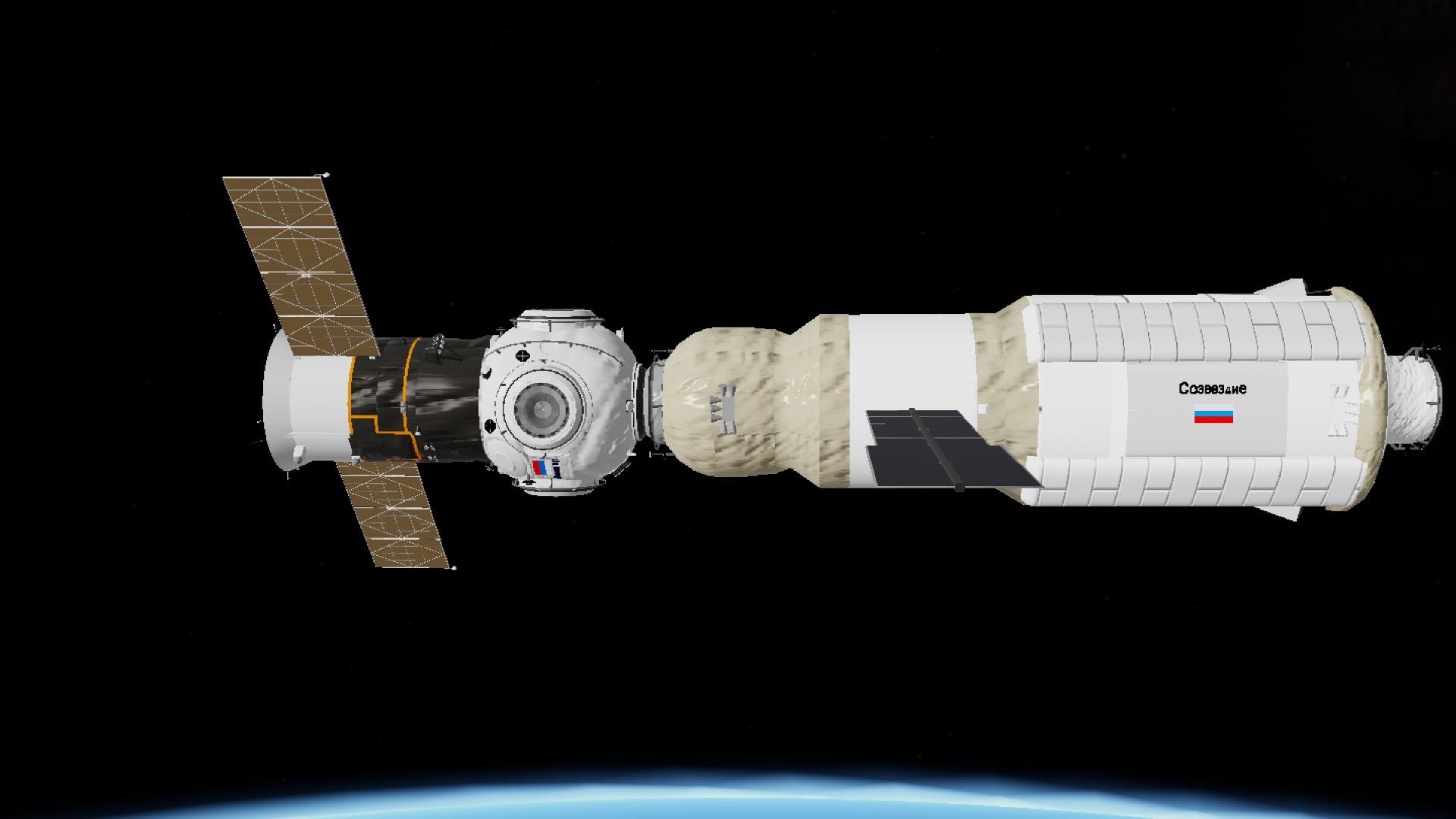
Uzlovoy Module

In the mid-2000s, RKK Energia, the manufacturer of the Russian Orbital Segment (ROS) components, added the Uzlovoy Module (UM) to the future configuration of the ISS. The proposal involves the addition of a Nodal Module (a significant modification of the Universal Docking Module (UDM) design, increasing the number of docking ports from 4 to 6 and taking into account its location at the Nauka nadir and at the same time reducing its weight from 20 tons to 4 tons, partly by removing the additional life-support system and adding two additional science/energy modules to the segment around 2013–2015. These plans were tabled due to Nauka delays. Since the refurbishment of the Nauka module, the Uzlovoy module is now the Prichal module
Modifications:
(please read)
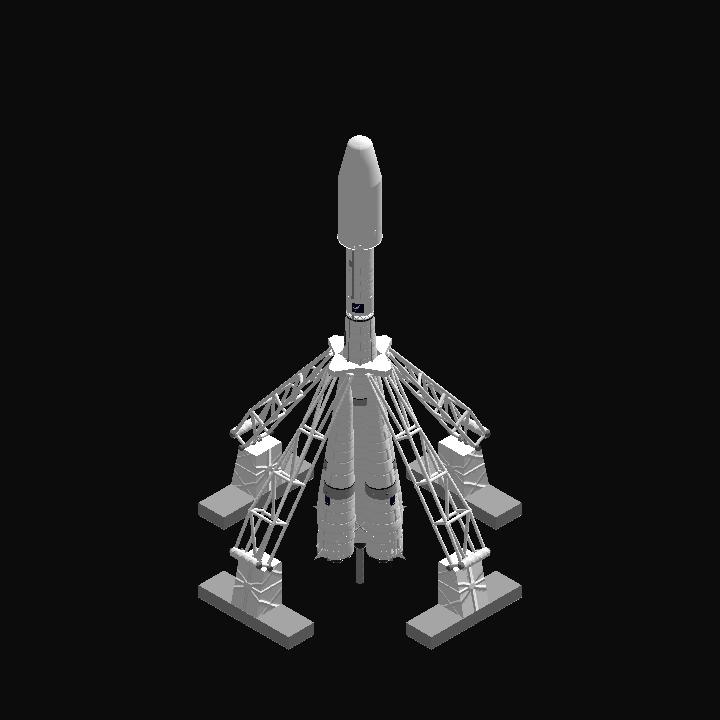
—I have added the launch support arms because this launch pad has some bugs and because the rocket doesn't fit in it.
— Still, it may glitch and disconnect one or more of the arms. In this situation respawn the vehicle.
— If you are using this same RSS map, the spawn location in this pad is a little off-center also, it may cause more problems. I recommend use a droo or SimpleRC to save a new location on the center.
—You can use it at Baikonur, but you will have to adjust the height: change the length of the strut connect at the bottom of the core stage.
—Yeah, the rotation of the structure and the vehicle are incorrect, but I kept they like that just to make things easier: rotating it 45° would cause the command pod to be in the wrong rotation. Maybe I will make some system like the one used in my Crew Dragon, to rotate it to the correct orientation after lift off, or just use a command chip maybe? I will see this later (I think)
Credits:
—Logos
—Support arms
IF YOU LIKE IT, PLEASE UPVOTE. THANK YOU.
GENERAL INFO
- Created On: Android
- Game Version: 1.3.204.1
- Price: $43,238k
- Number of Parts: 1180
- Dimensions: 51 m x 31 m x 31 m
PERFORMANCE
- Total Delta V: 204m/s
- Total Thrust: 5.8MN
- Engines: 78
- Wet Mass: 4.55E+6kg
- Dry Mass: 4.3E+6kg
STAGES
| Stage | Engines | Delta V | Thrust | Burn | Mass |
|---|---|---|---|---|---|
| 1 | 24 | 121m/s | 4.2MN | 2.2m | 4.55E+6kg |
| 2 | 8 | 65m/s | 1.0MN | 4.8m | 4.55E+6kg |
| 3 | 8 | 0m/s | 167kN | 2s | 4.54E+6kg |
| 5 | 4 | 18m/s | 295kN | 4.5m | 4.54E+6kg |
| 8 | 0 | 0m/s | 0N | 0s | 6,907kg |
3 Comments
- Log in to leave a comment
-
3,342 JotaVeone month ago
@EAEPtecnologes Não foi eu que fiz, tava com preguiça kkkkk, mas modifiquei a base, o topo e o sistema de conexão e acoplamento. Mas valeu msm assim kkkk
Inclusive vlw por me lembrar de dar os créditos -

4 Upvotes
Log in in to upvote this post.
@JotaVe ahhhhhh kskskskk