
Introduction
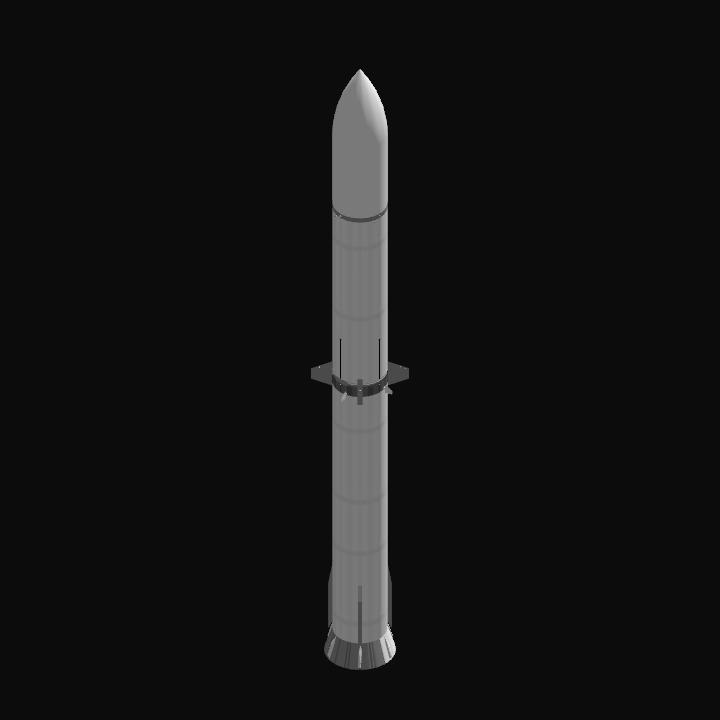
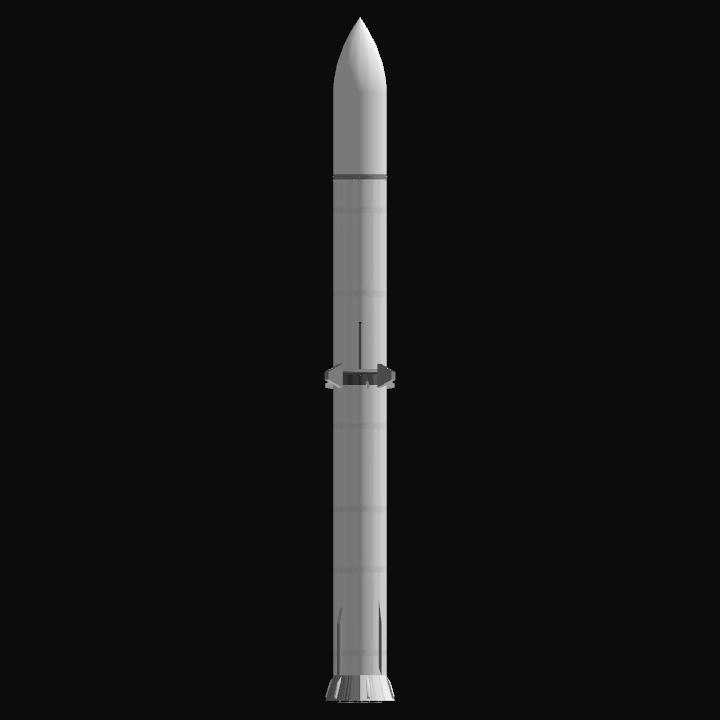
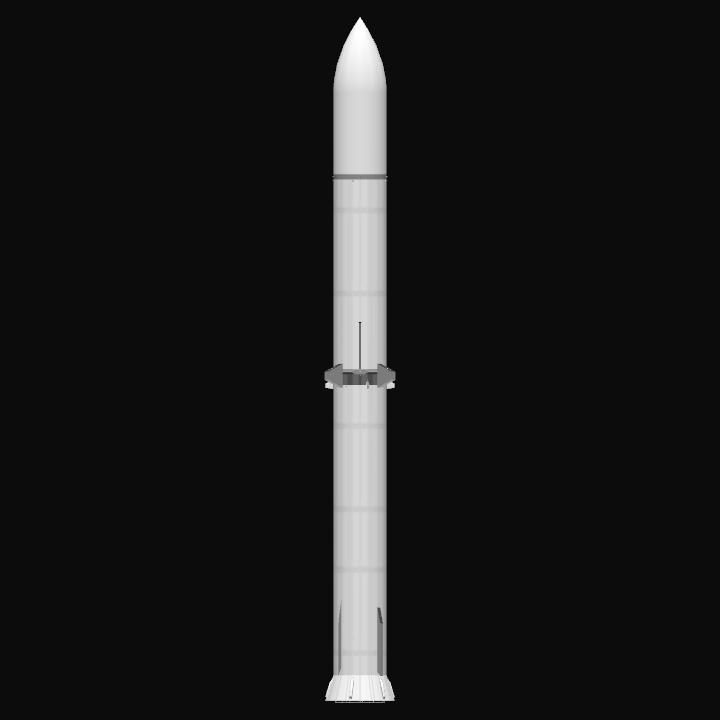
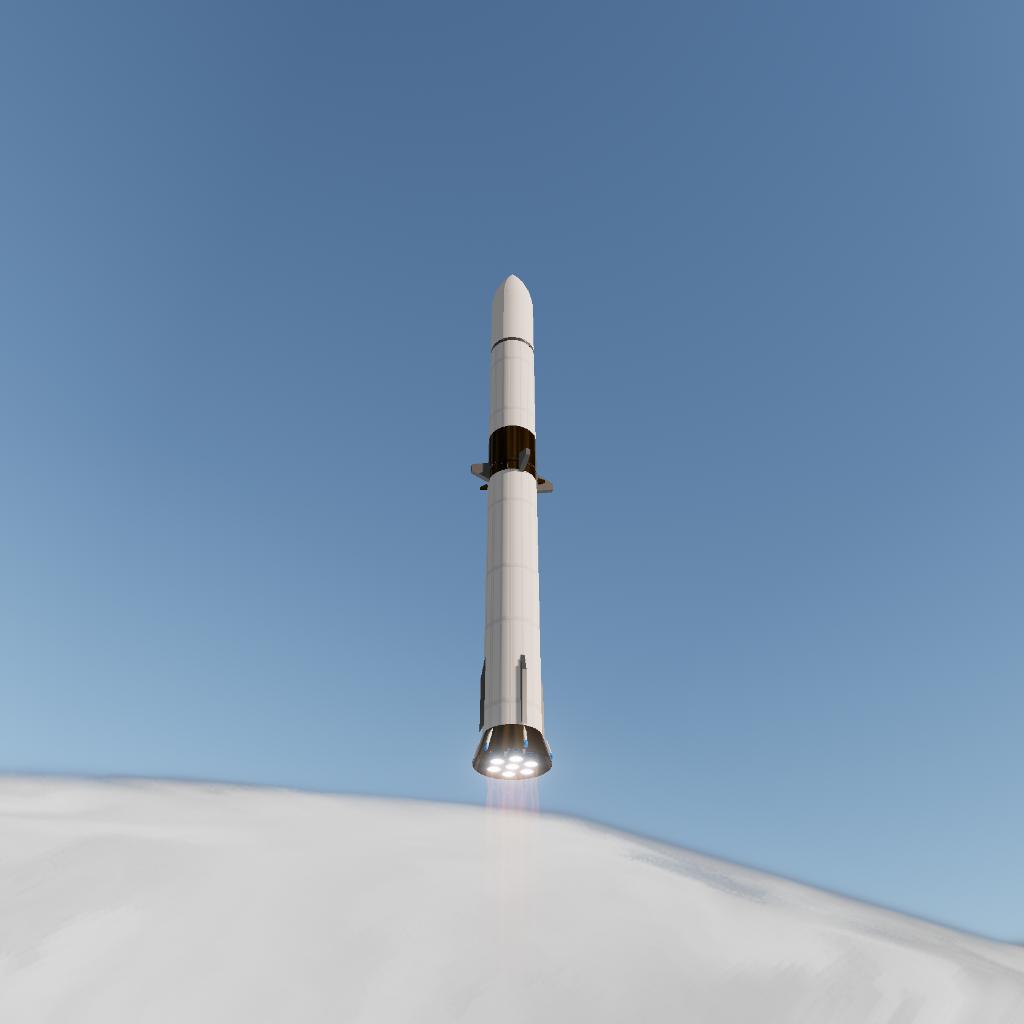
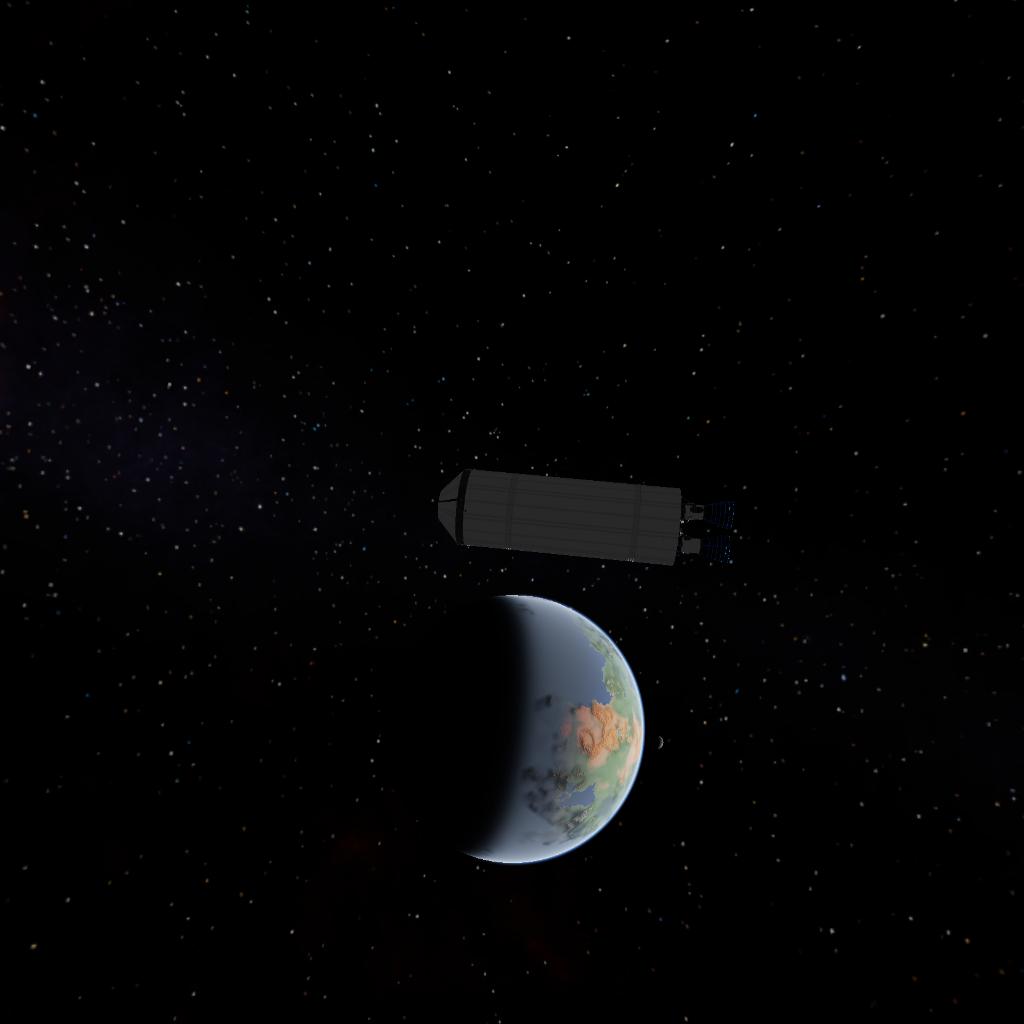
The vanglenn represents a strategic leap in launch vehicle design, engineered as a partially reusable medium-to-heavy lift launcher dedicated to LEO and HEO missions. This vehicle forgoes the extreme performance demands of direct geosynchronous insertion in favor of a sustainable, cost-effective model centered on the recovery and reuse of its powerful first stage. Its operation is defined by a standard ascent profile, sophisticated in-flight control, and a meticulously choreographed recovery sequence, making it the workhorse for building orbital infrastructure and deploying high-energy payloads.
Propulsion & Staging
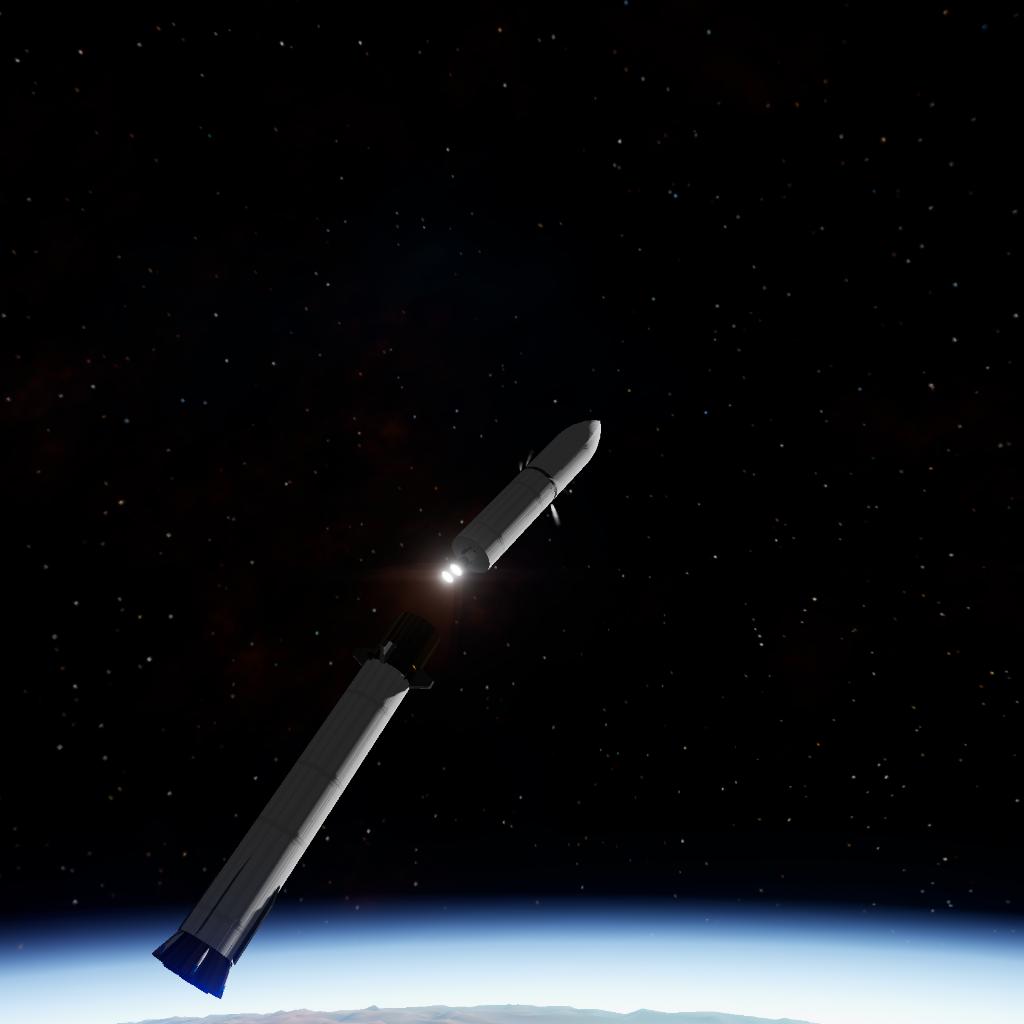
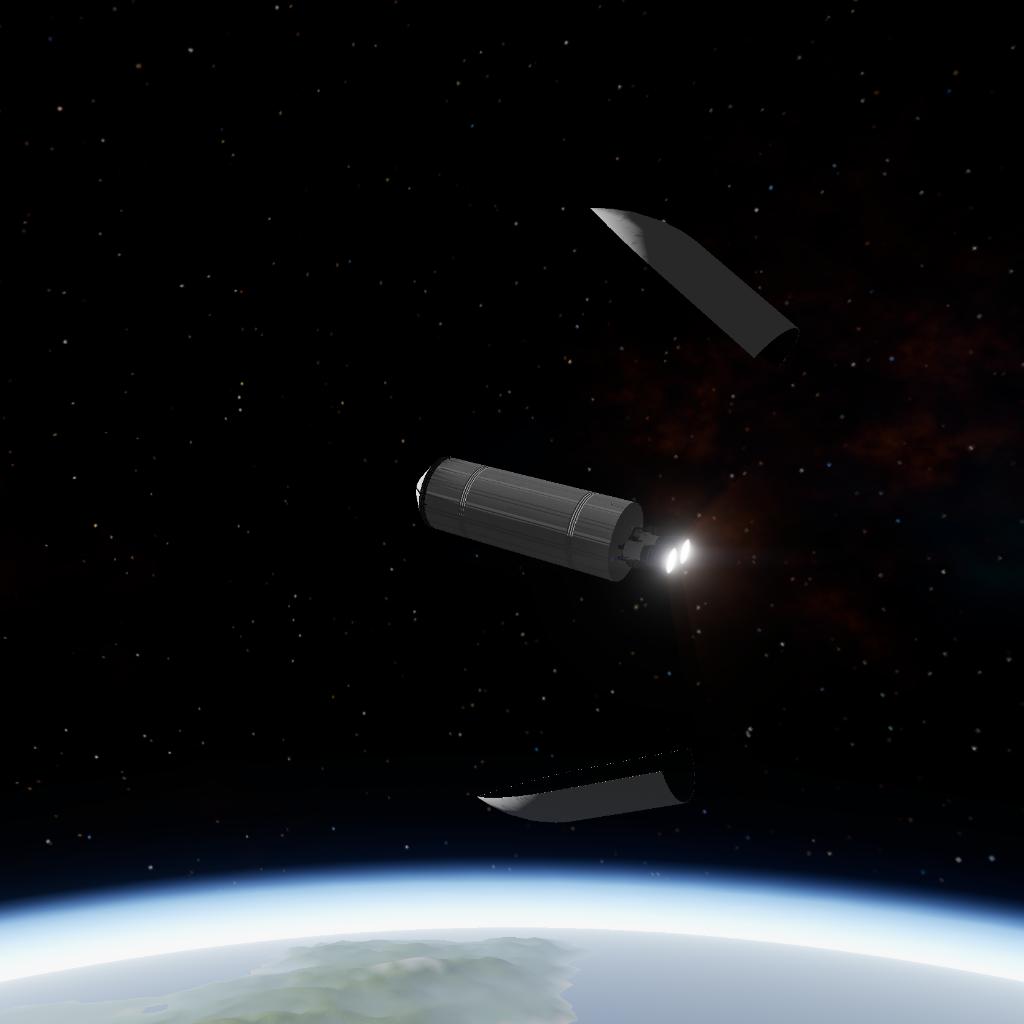
The launch is powered by a two-stage, pressure-fed propulsion system. The reusable first stage is equipped with a cluster of seven SDB-3 gas-generator cycle engines, producing a combined 25 MN of sea-level thrust to lift the 1.48 kt vehicle off the pad. Following main engine cutoff (MECO) and stage separation, the high-energy second stage, powered by two SDBV-3 vacuum-optimized engines, takes over. This stage is responsible for the final orbital insertion, leveraging its high specific impulse to deliver payloads to their precise LEO or HEO destinations.
Recovery & Guidance Systems
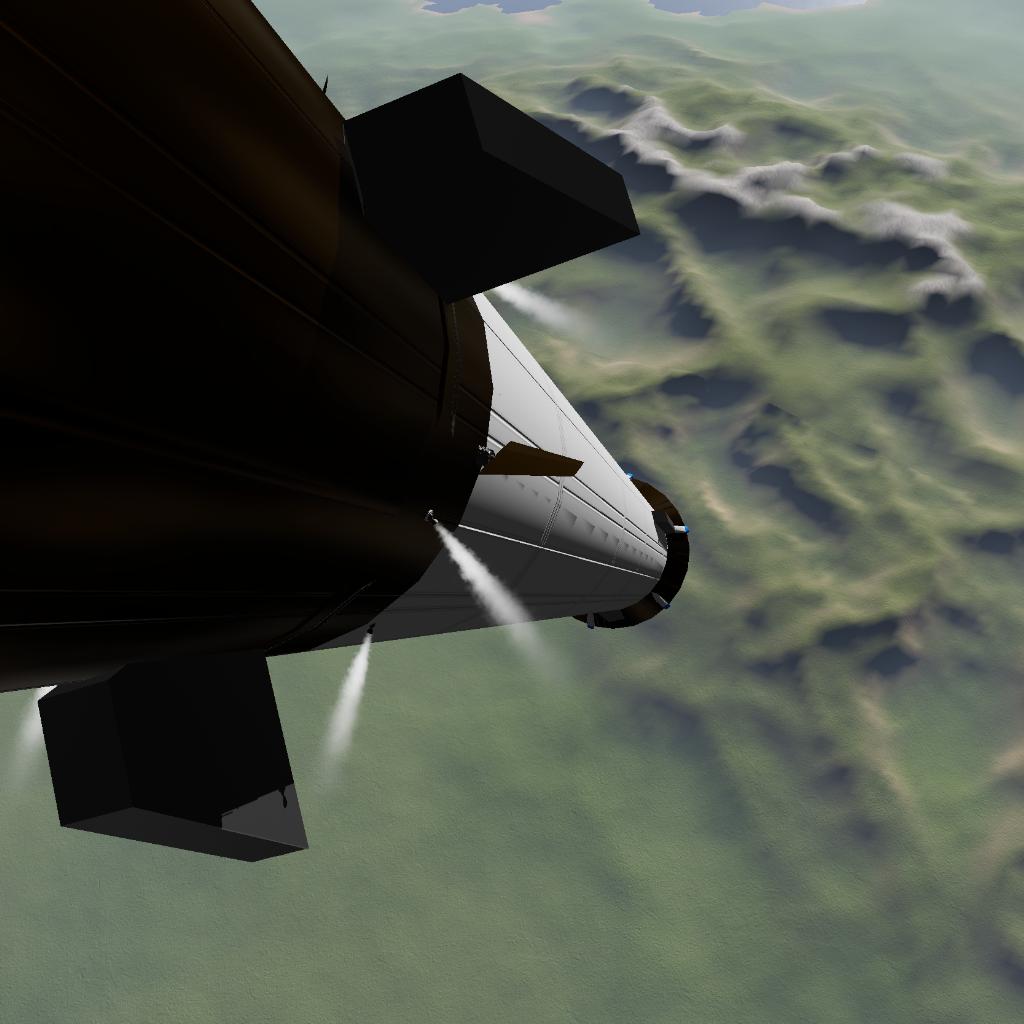
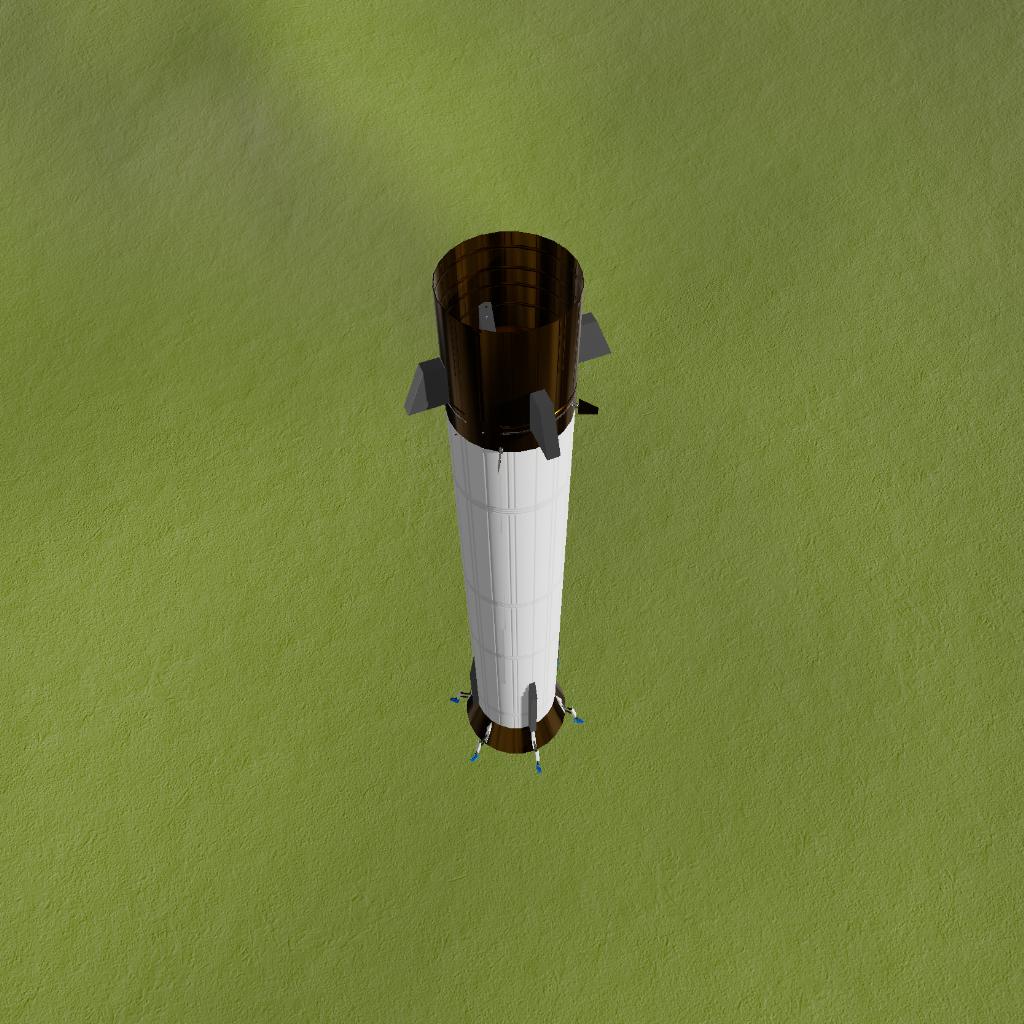
The first stage's return is a core feature of the GLEH's design. Following separation, the booster performs a boost-back burn and re-enters the atmosphere for a downrange landing. It is equipped with four drag brakes (controlled via the 'Brake' slider) for initial deceleration, supported by movable fins and rotators for aerodynamic guidance. Two high-torque gyroscopes provide attitude stability, while dozens of RCS thrusters handle precise maneuvering during the flip and landing burn. An entry burn is highly recommended to ensure structural integrity and recovery success.
AG
All of them are named.
Important Notes
· RCS Function: The RCS system is critical for maintaining second-stage stability following separation from the first stage. You must ensure RCS is enabled prior to this separation event.
· Ascent Profile: The vehicle is designed for a standard, efficient ascent profile.
· Recovery Procedure: For successful booster recovery, pilots must:
1. Ensure RCS is enabled before stage separation.
2. Perform a recommended entry burn during descent.
3. Use the 'Brake' slider to deploy drag brakes as needed for velocity control.
(written by deepseek)
I originally named it vanguard (although a new glenn style rocket replica) thinking it will scrub for every reason possible, but it launched and sucessfully landed stage one, delivered Escapade gold and blue, congrats!
GENERAL INFO
- Created On: iOS
- Game Version: 1.3.204.1
- Price: $266,576k
- Number of Parts: 93
- Dimensions: 128 m x 13 m x 13 m
PERFORMANCE
- Total Delta V: 8.4km/s
- Total Thrust: 33.0MN
- Engines: 9
- Wet Mass: 1.48E+6kg
- Dry Mass: 3.76E+5kg
STAGES
| Stage | Engines | Delta V | Thrust | Burn | Mass |
|---|---|---|---|---|---|
| 1 | 7 | 2.6km/s | 27.0MN | 1.7m | 1.48E+6kg |
| 2 | 2 | 5.7km/s | 6.0MN | 3.9m | 4.59E+5kg |