

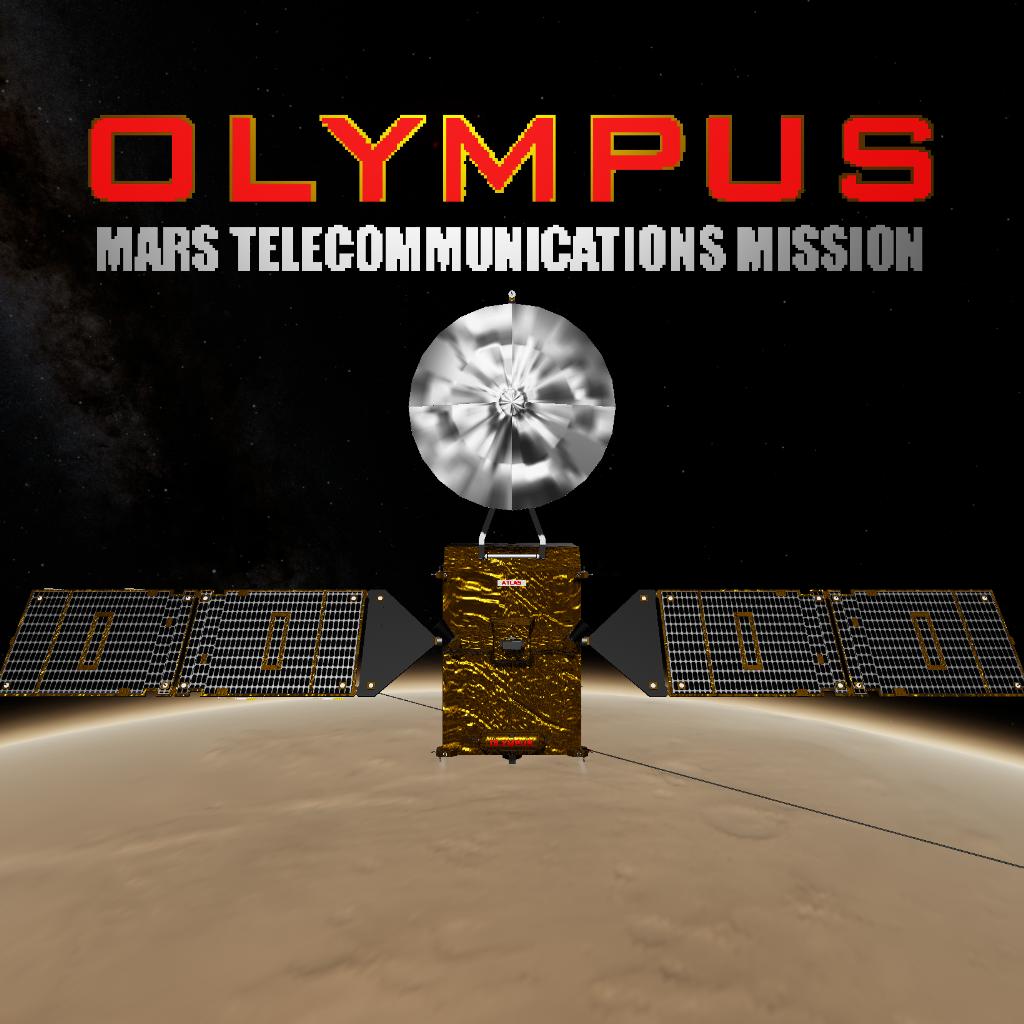
OLYMPUS
Mars Telecommunications Mission
Orion Technologies acknowledges the importance of TheVizzyLucky and their assistance in this project. It was an honor to work with them.
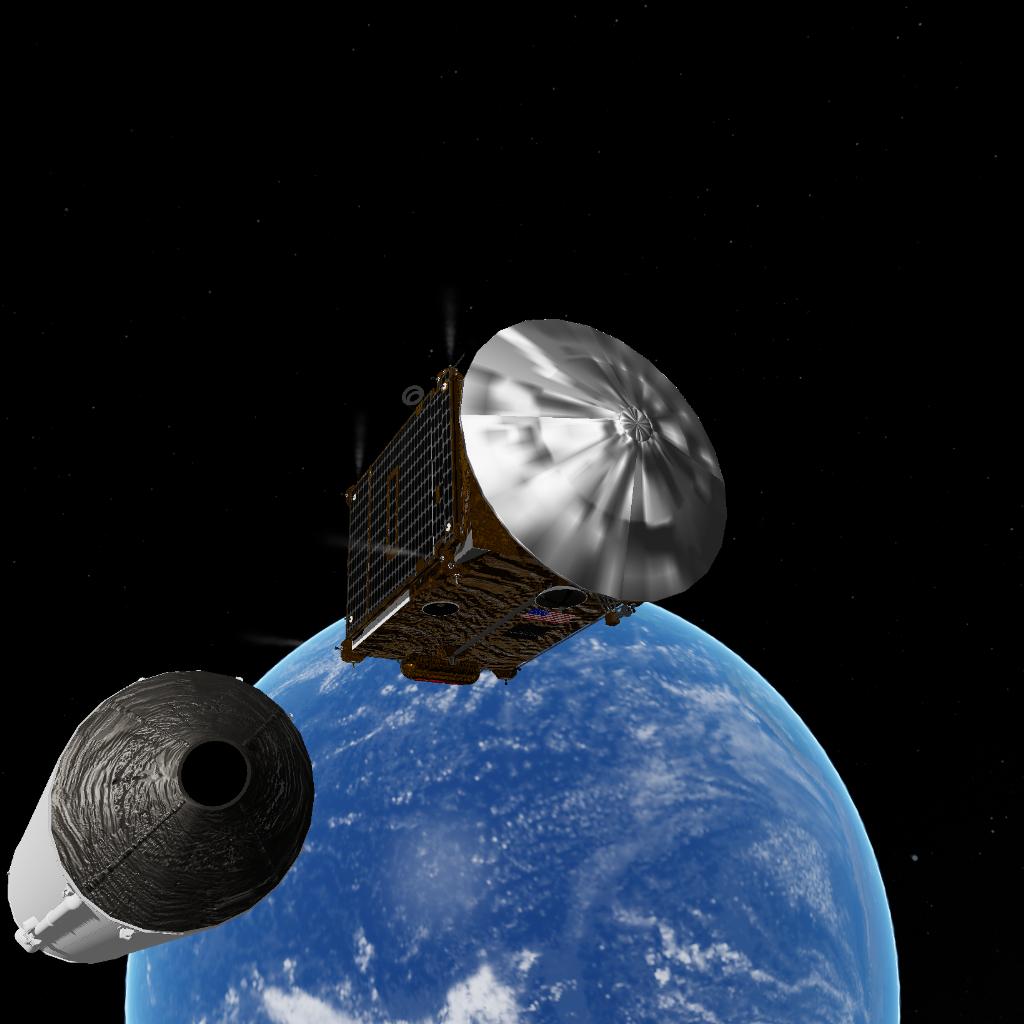
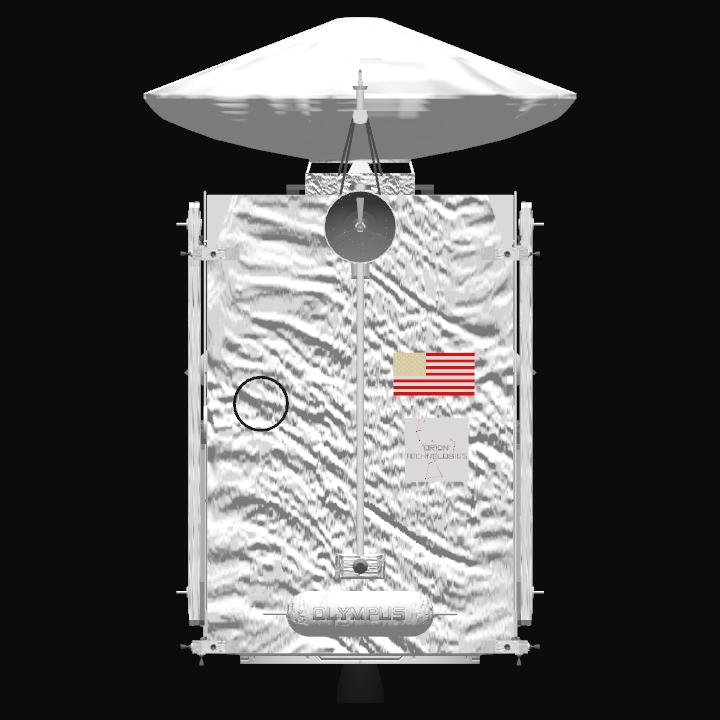
The Olympus Program is Orion Technologies’ first step in a grand new plan of commercialized space exploration. The concept was submitted to NASA as a viable and enticing plan to replace decade-old Mars orbiters and establish a reliable communications link between rovers, landers, and even human settlements on the Red Planet’s surface. With a NASA contract for around $700 Million, Olympus also supports future plans for Orion Technologies, including their future commercial Mars lander.
SPECIFICATIONS
Wet Mass: 2770kg
Dry Mass: 2500kg
Propellant: 270kg of MMH/NTO
Engine Thrust: 1050N
Power Generation: 1600W at Mars
HGA Size: 1.7m
Communications Frequencies: Ka-band, UHF, 657nm(laser)
Launch Vehicle: Falcon 9
Orbital Parameters: 320km x 380km @ 92.8 degree inclination, 180 degree separation
Primary Mission: 5 years
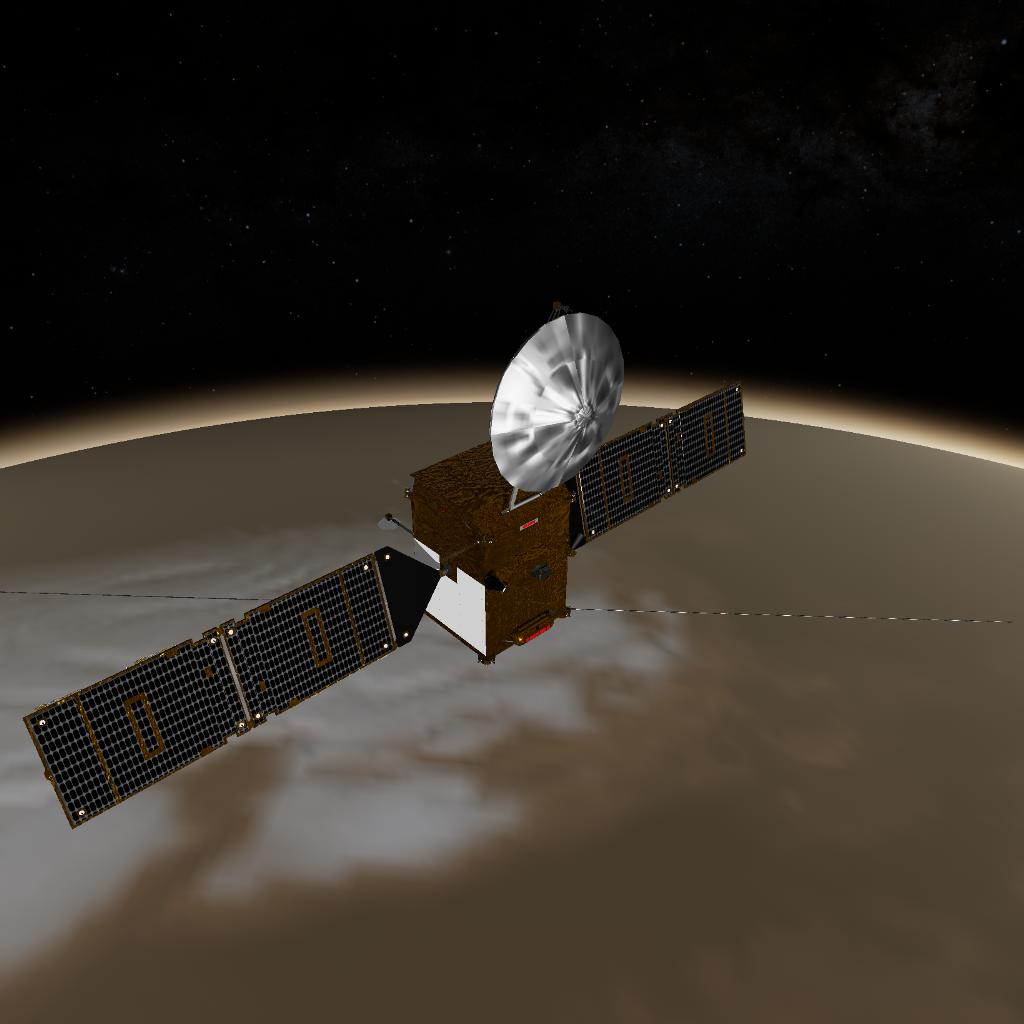
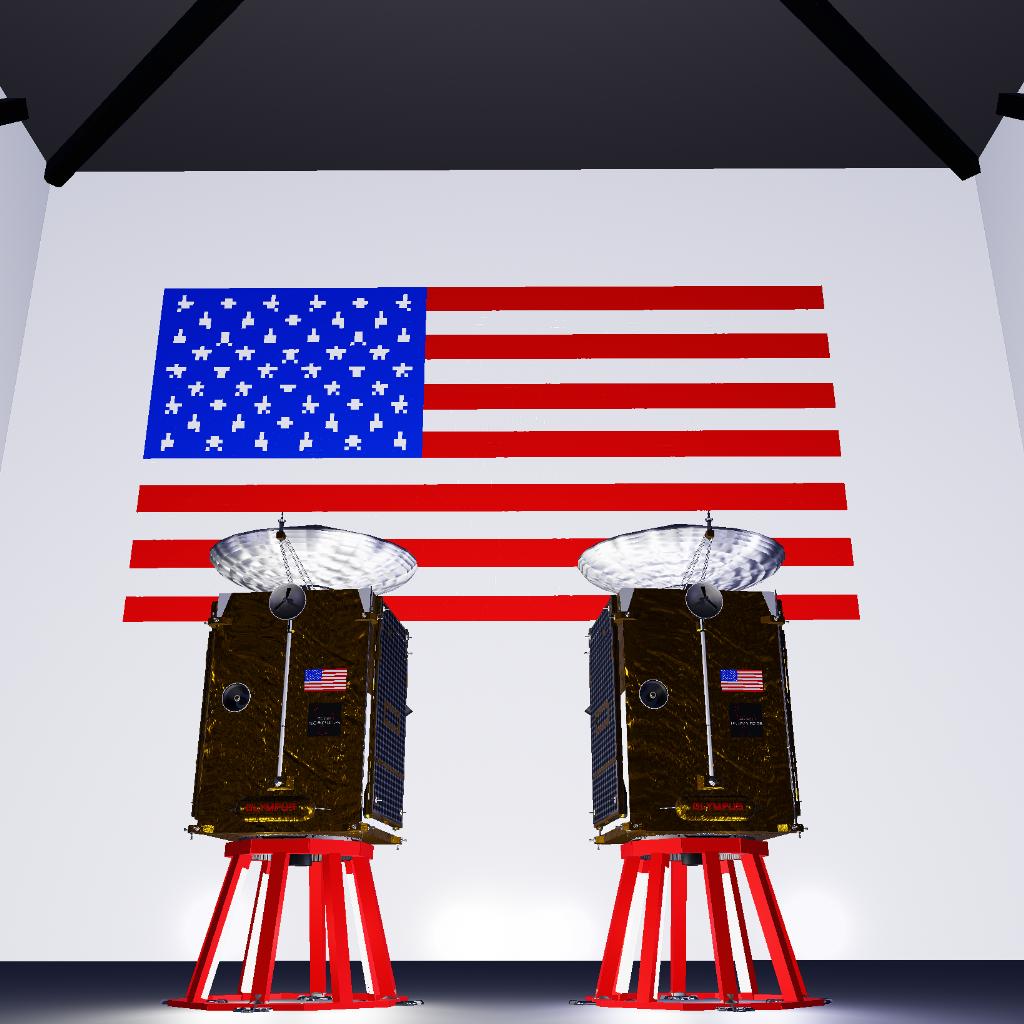
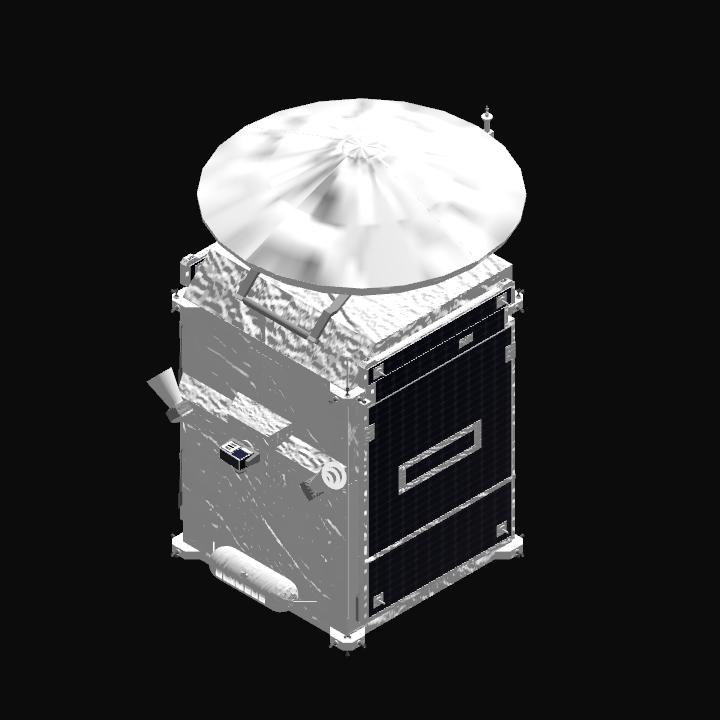
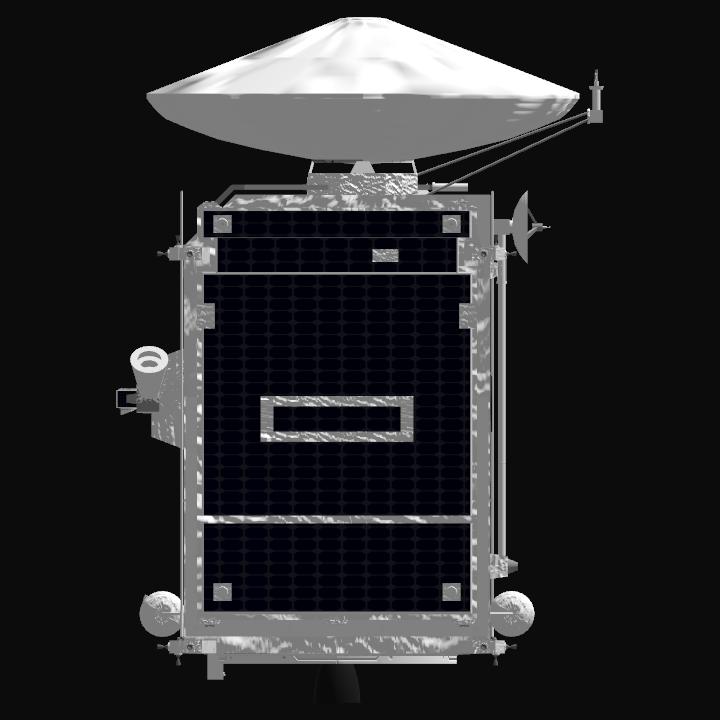
The Olympus Program consists of two identical orbiters(nicknamed “Atlas” and “Athena” among Orion Technologies employees) placed into a polar Mars orbit for maximum surface coverage and lowest-latency. The basis of the Olympus Program is to provide a stable and continuous communication relay globally for Mars. With aging NASA orbiters, gaps in communication relay ability are increasing(RIP MAVEN). A dedicated Mars Telecommunications Orbiter mission has been discussed for decades, but never been developed. This continuous relay ability is the main purpose of Olympus. The twin orbiters were launched ahead of the company’s upcoming commercial Mars Lander, whose plan for success involves a stable communications relay before, through, and after landing. Both Olympus orbiters will be able to provide this capability not only to Orion Technologies’s vehicles but also to those of NASA and other private companies, and in the future, potentially even a manned Mars colony. Additionally, Olympus will validate technologies for the future, such as interplanetary optical laser communication. Each orbiter was launched separately on a Falcon 9 to Mars in the 2026 launch window, arriving 7 months later. Both successfully inserted themselves into orbit, and began communications relay operations immediately after.
INSTRUCTIONS
AG1: Main Engine
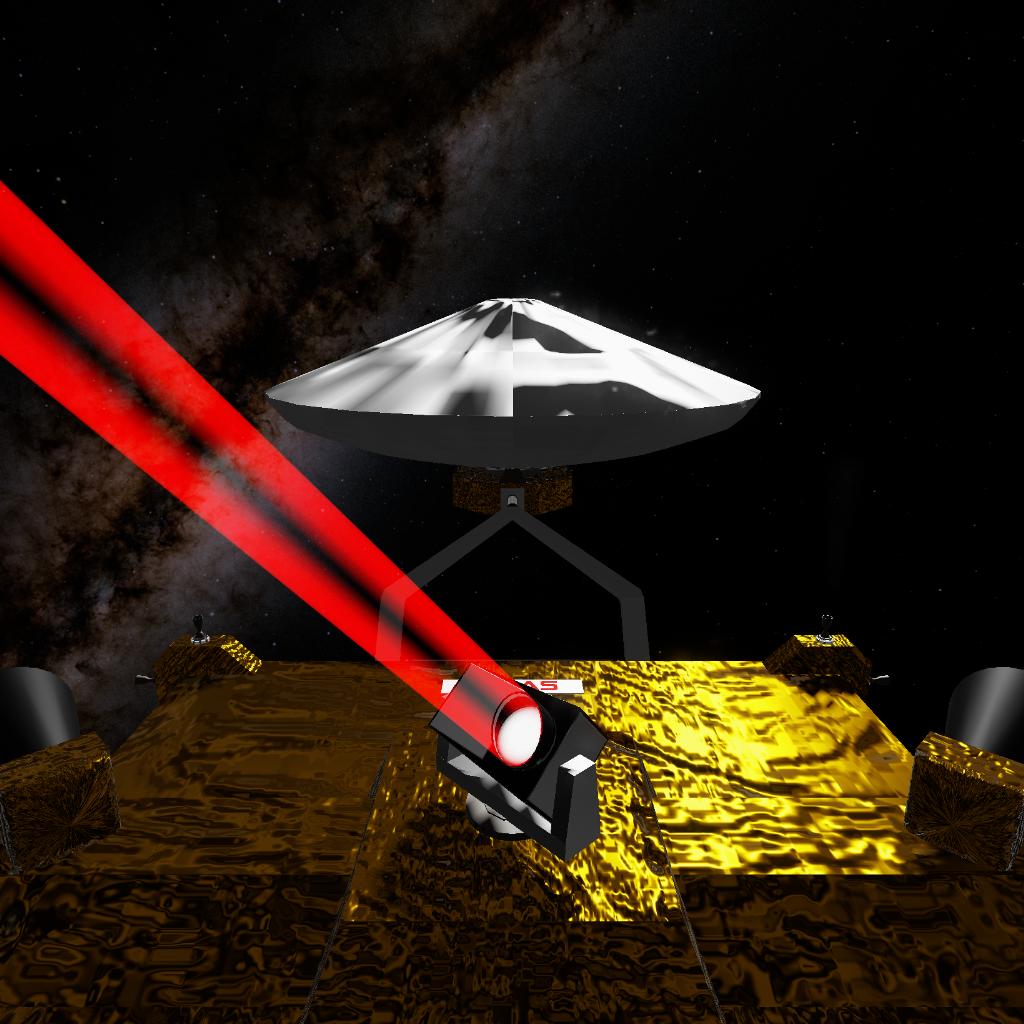
AG5: Fire Laser Terminal
AG6: Solar Panel Sun Tracking(by TheVizzyLucky)
AG7: HGA Deploy
AG8: Antenna Deploy
AG9: Solar Panel Deploy
AG10: RCS system
Slider 1: Don’t Touch
Slider 2: Narrow-Angle Imager Zoom
Slider 3: Laser Terminal Rotate
Slider 4: Laser Terminal Pitch
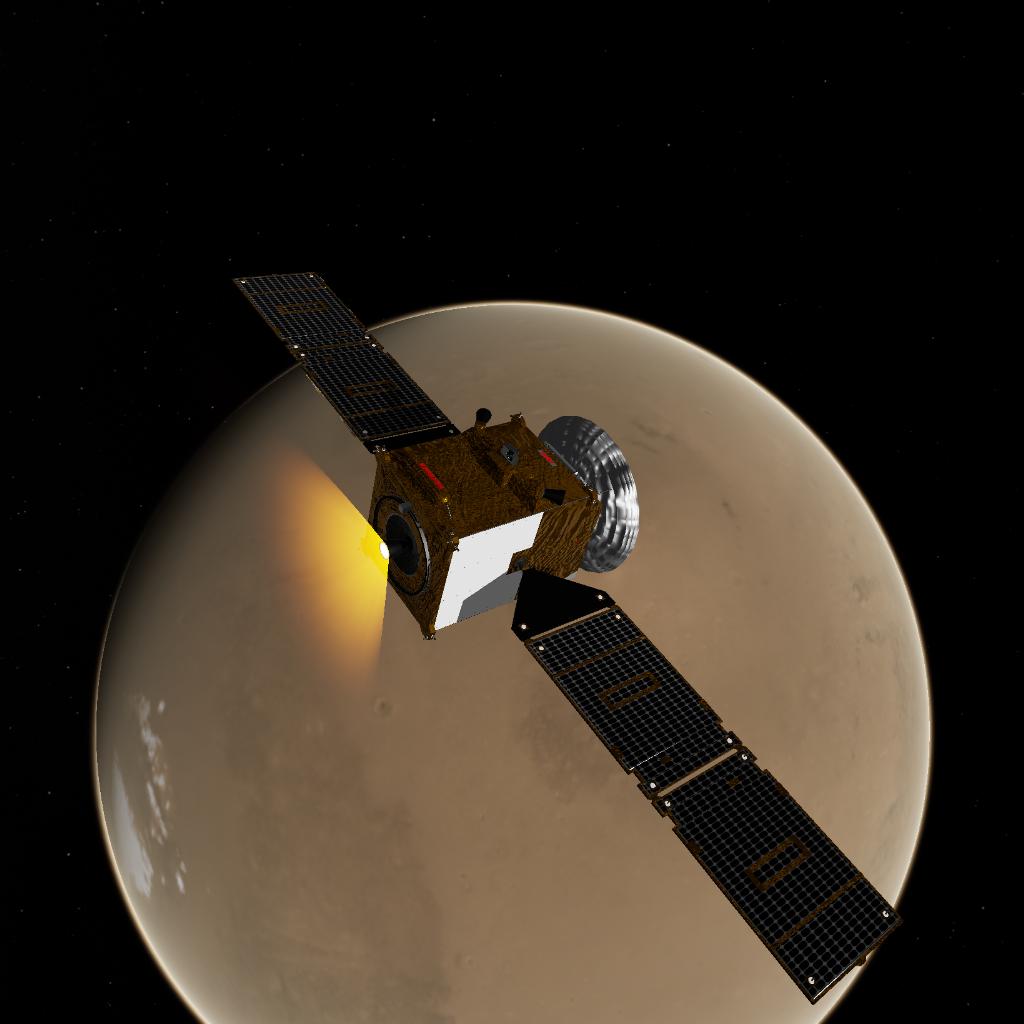
Launch to Mars, after separation activate AG10 and AG9. Activate AG6 later. Activate AG7 later. Upon arrival at Mars, deactivate AG7, activate AG1. The engine is low-thrust, so begin the orbit insertion burn before the spacecraft reaches periapsis. Upon Mars Orbit Insertion, deactivate AG1, activate AG7, and activate AG8.
ENJOY!
GENERAL INFO
- Predecessor: Olympus
- Created On: iOS
- Game Version: 1.3.204.1
- Price: $1,268k
- Number of Parts: 611
- Dimensions: 3 m x 2 m x 2 m
PERFORMANCE
- Total Delta V: 128,885.4km/s
- Total Thrust: 175kN
- Engines: 6
- Wet Mass: 2,767kg
- Dry Mass: 2,499kg
STAGES
| Stage | Engines | Delta V | Thrust | Burn | Mass |
|---|---|---|---|---|---|
| 1 | 3 | 524m/s | 1kN | 22.3m | 2,767kg |
| 3 | 3 | 128,884.9km/s | 174kN | 8,478years | 2,760kg |
4 Comments
- Log in to leave a comment
-
-
-
23.8k Aludra877+1 18 hours ago
Am I glad to see you post (ik this may be due to you having time and not being permanantly back, yet its a really nice sight) especially with a high quality craft, I must say, replicas are an art, great work here man!


BTW, this is my (late) submission to @TheVizzyLucky’s Photo Contest!