

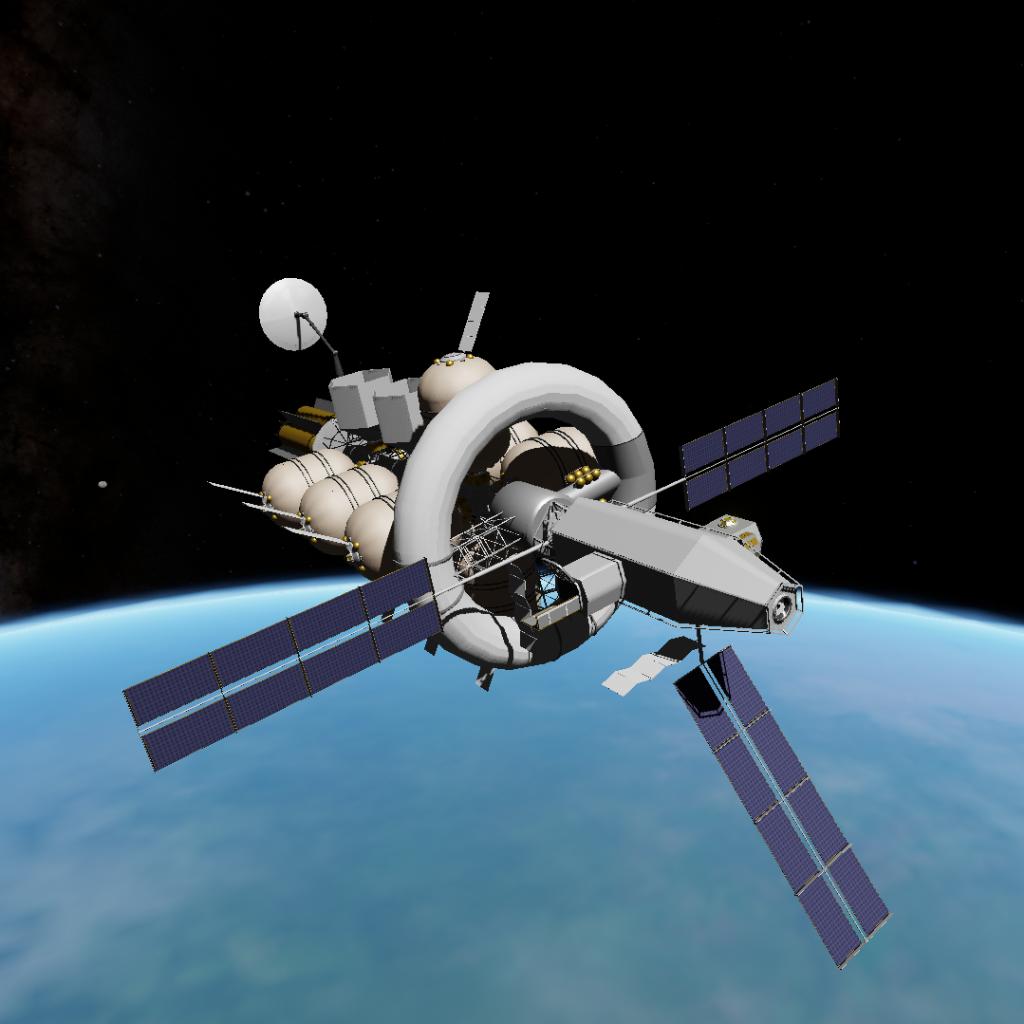
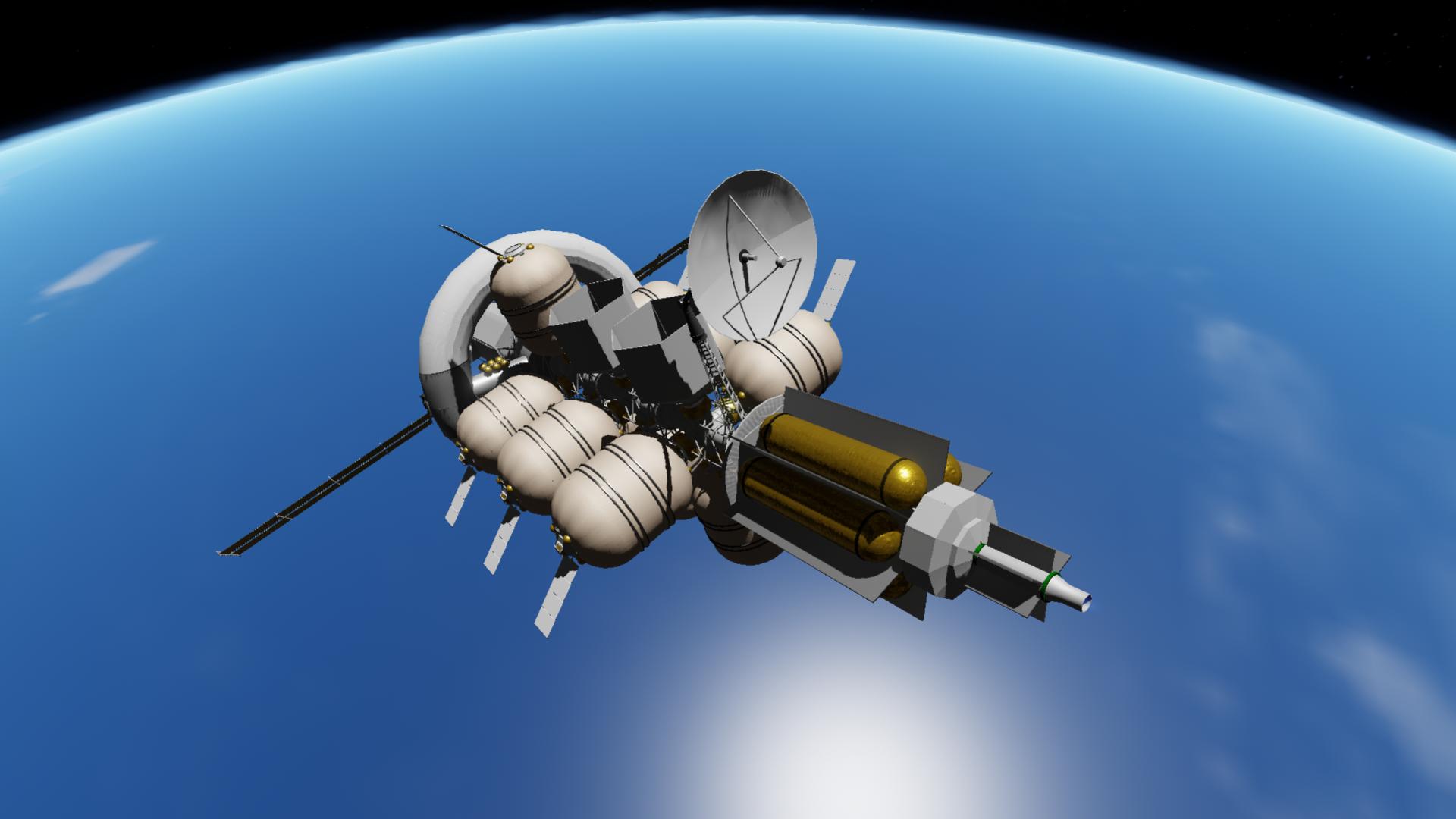
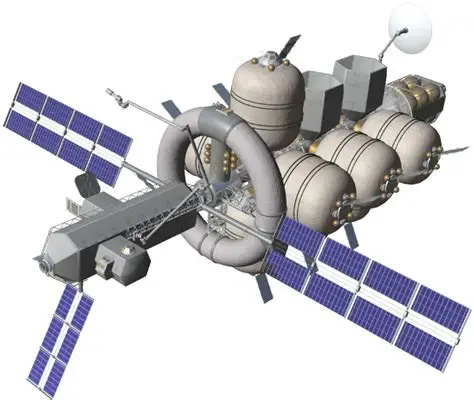
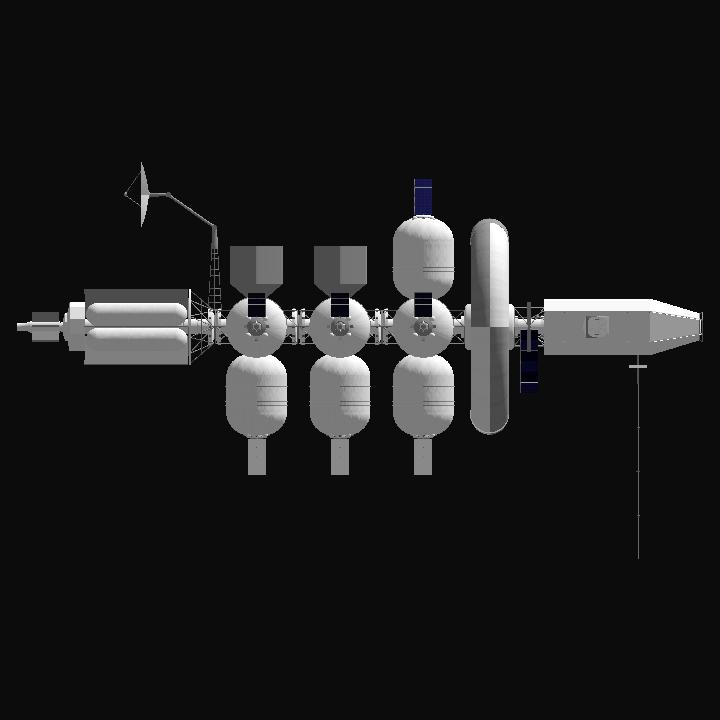
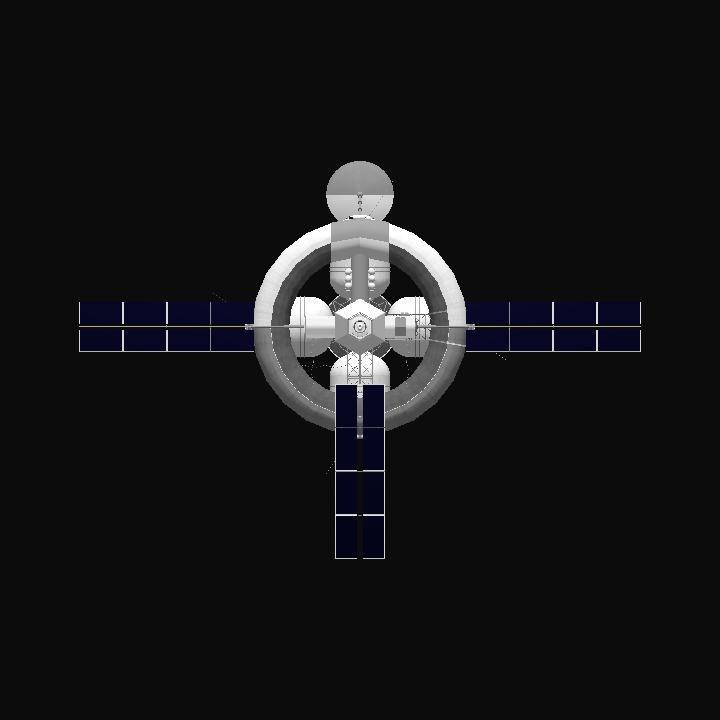
The Nautilus-X was conceived in 2011 by NASA’s Technology Applications Assessment Team. They designed a spacecraft that could accommodate a six-person crew for durations ranging from one to twenty-four months for potential missions to the moon, Mars, and even beyond.
The proposed spacecraft included a distinctive feature aimed at addressing one of the most significant challenges of long-term spaceflight: the adverse effects of microgravity. The Nautilus-X was designed with an onboard centrifuge, a device that uses rotation to simulate gravity.
The Nautilus-X Multi-Mission Space Exploration Vehicle was conceived to be a versatile, long-duration spacecraft that could accommodate various mission types. The following features were part of the initial design concept:
Feature Description
Modular Design Nautilus-X was planned to be constructed in space, with its various components launched separately and then assembled in orbit, much like the International Space Station. This design offered significant flexibility, allowing for customized configurations to meet specific mission requirements.
Crew Accommodations The spacecraft was designed to support a crew of six for missions lasting between one and twenty-four months. The habitable volume was expected to provide sleeping quarters, a galley, exercise facilities, and other amenities to ensure crew comfort during extended missions.
Centrifuge One of the most innovative features of the Nautilus-X was its proposed onboard centrifuge. This device, using rotation to simulate gravity, was aimed at mitigating the adverse health effects associated with long-term exposure to microgravity, such as muscle atrophy and bone loss.
Radiation Protection Long-duration space missions pose significant radiation risks. Nautilus-X was anticipated to incorporate materials or designs capable of shielding the crew from harmful cosmic radiation.
Propulsion System The details of the propulsion system would depend on the technology available at the time of construction. However, the concept involved a propulsion module capable of interplanetary travel and in-orbit maneuvering.
Life Support Systems For extended missions, Nautilus-X would use sophisticated life support systems to provide a breathable atmosphere, temperature control, and waste management. It was envisioned to incorporate the use of plants.
Docking Capability The spacecraft was planning to have docking ports for receiving supply missions, allowing for crew changeovers, or interfacing with other spacecraft or space stations.
Please note that these features are based on the initial design concepts and they would have evolved significantly if the project had been developed further.
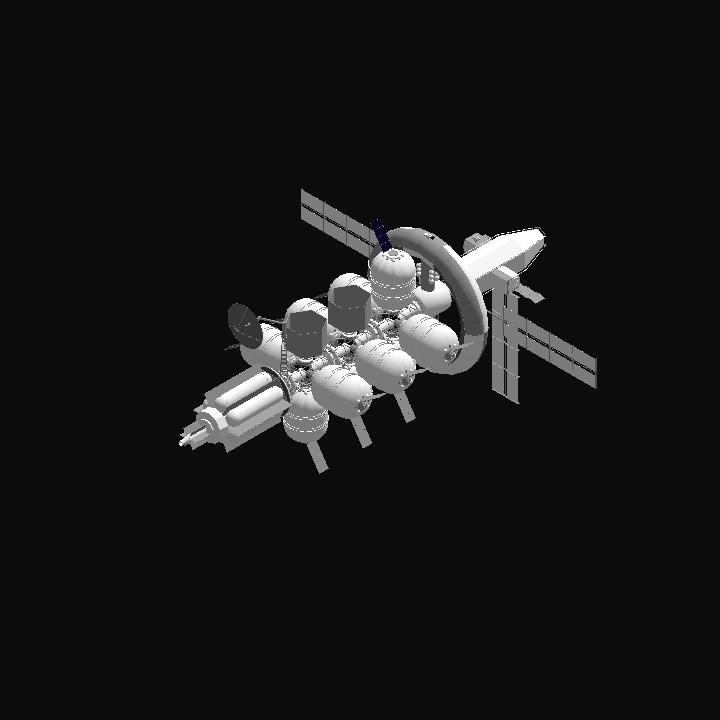
GENERAL INFO
- Predecessor: 30 AGs and 50 colors chip
- Created On: Android
- Game Version: 1.3.204.1
- Price: $78,059k
- Number of Parts: 2015
- Dimensions: 53 m x 74 m x 91 m
PERFORMANCE
- Total Delta V: 0m/s
- Total Thrust: 328kN
- Engines: 3
- Wet Mass: 4.48E+5kg
- Dry Mass: 4.27E+5kg
STAGES
| Stage | Engines | Delta V | Thrust | Burn | Mass |
|---|
Thanks 👍