
From Wikipedia
The DB class was introduced to the rail network in 1965-1966 as a result of a requirement for a modern locomotive that could operate on the North Island lines that the DA class was excluded from due to their weight and axle load.[1][2] They were ordered at the same time as the final DA order was placed.[3][4] While these were mainly branch lines, it also applied to the East Coast Main Trunk line, particularly the section beyond Paeroa through the Karangahake and Athenree gorges until the opening of the Kaimai Tunnel on 12 September 1978.[5]
The class was virtually indistinguishable externally from the DA class, being of the same basic design and dimensions, and wearing the same livery. They were some 13 tonnes lighter with a V8 prime mover as opposed to a V12 in the DA class, though the classes shared the same A1A-A1A wheel configuration and traction motors for commonality. The locomotives were supplied with cast-steel bogies manufactured by Dofasco, but these were swapped with phase I DA class locomotives, which were delivered with fabricated bogies, once the DB class entered service.[4]
Numbering
The class was initially numbered DB 1000 to DB 1016, this being in common with NZR practice of the time to number locomotive classes with reference to the power output.
Upon the introduction of the computerised Traffic Monitoring System (TMS) in 1979 the class was renumbered and the designation capitalised. The class received new four-digit numbers beginning with 1, in which the last number is a check digit for the whole number. Under the new system, DB 1001 retained its number, becoming DB1001, with DB 1000 becoming DB1018. The rest of the class was renumbered in sequence, with DB 1016 becoming DB1180.
The units being rebuilt to DBR received a new TMS number in the 12XX range when they entered the rebuilding cycle.
Rebuild to DBR
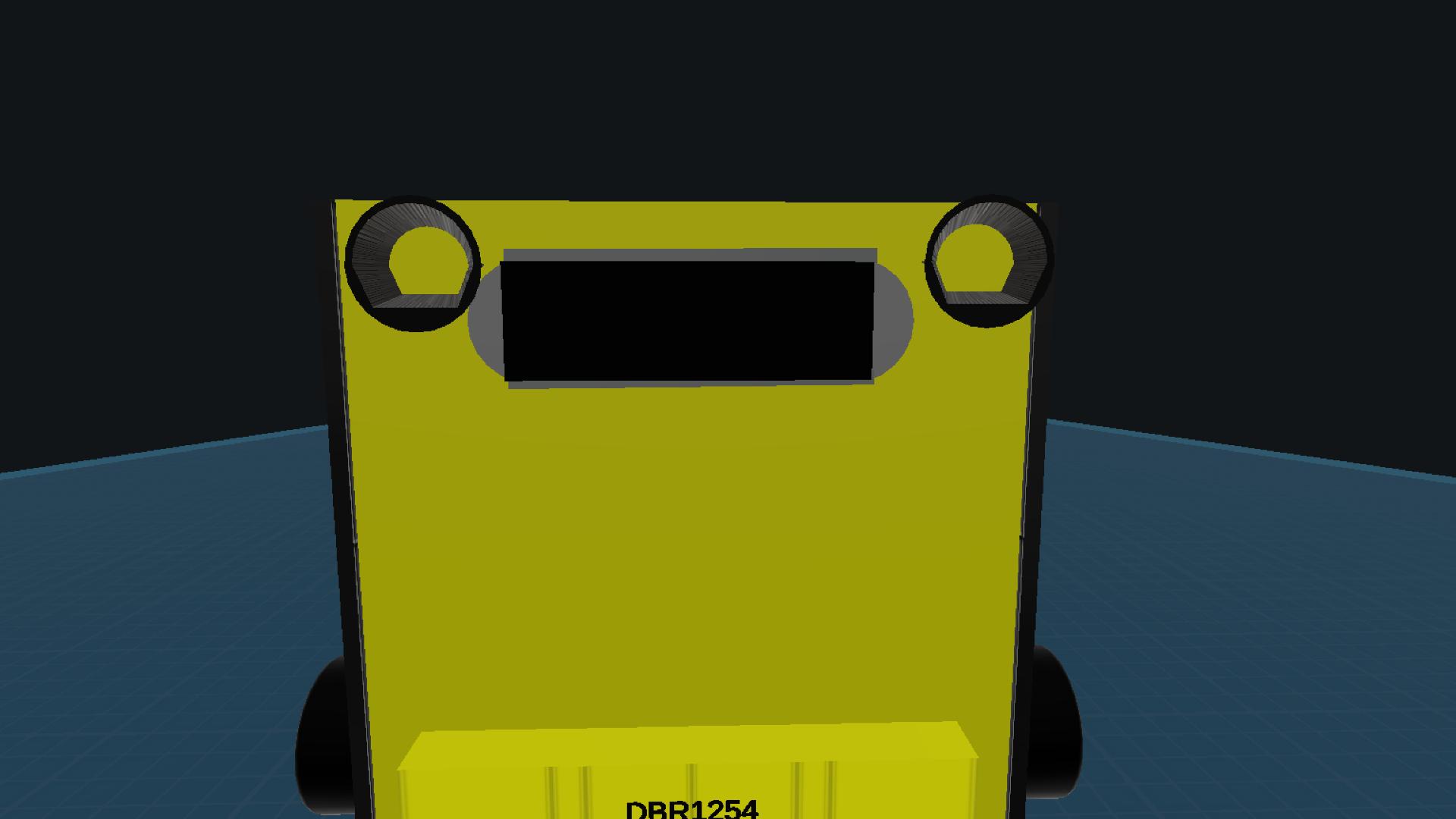
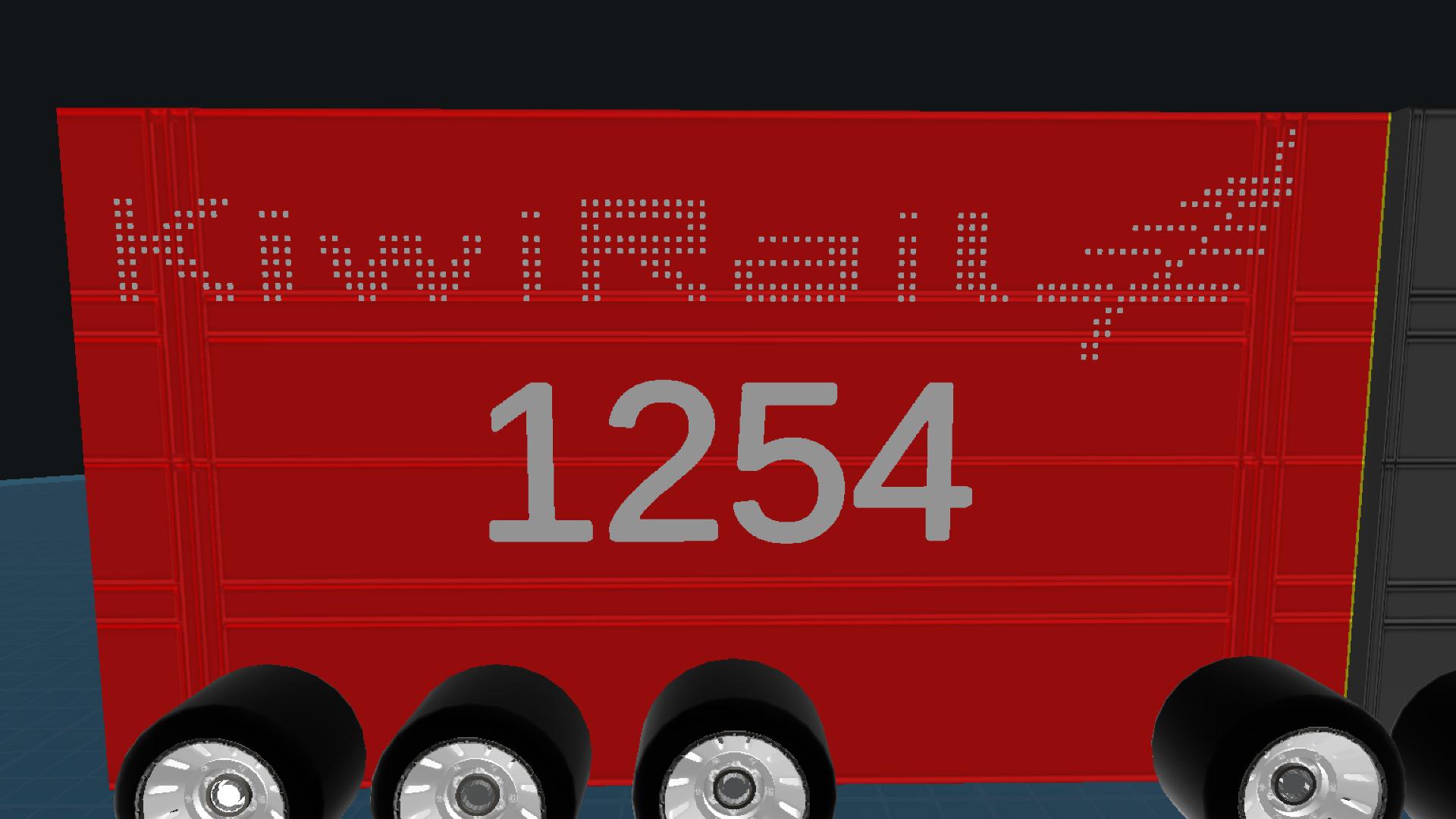
DBR 1254 at Westfield, Auckland, 13 August 2007
In the late 1970s the decision was made to rebuild the DB class along similar lines to that being undertaken for the DA class into the DC class.[5] The rebuilt DB units were designated as DBR (R = rebuild). The rebuilds were done by Clyde Engineering in Australia and involved the lowering of the short hood to improve visibility for the driver, new cabs similar to the DC class, and the installation of a new EMD 8-645 engine. Ten units were rebuilt between 1980 and 1982.[6][7]
In service
The DB class was employed primarily freight duties, though they did also see occasional service hauling passenger trains. As lines and bridges were upgraded, and in the case of the ECMT the Kaimai Tunnel opening, the weight advantage the locomotives had over other classes used in the North Island became less of a factor and the locomotives were operated as part of a general pool.
Initially, all DBR class locomotives were allocated to the North Island.[8] The lightweight nature of the DBR locomotives meant they were well suited to operate some South Island lines following the withdrawal of the DI and DJ class locomotives in the early 1990s.[6] The last DBR returned north from the South Island around 2007.[9]
Auckland Transport
From 2003[10] to 2014 two locomotives were leased to the Auckland Regional Transport Authority and then its successor, Auckland Transport, with the services operated under contract by Transdev. The two locomotives, DBR1199 and DBR1254 were operated in a top and tail configuration with the five-car SX carriages set and wore the MAXX Blue livery. A third unit, DBR1226, was also painted in MAXX Blue but without the MAXX logo. DBR1226 was used for freight services or work trains by KiwiRail, but was used as backup for DBR1199 or DBR1254 as it had the necessary modifications to work with the suburban carriages. The leases expired in 2014, and the locomotives returned to freight service.[11]
Wellington bankers
For many years two DBR class locomotives formed the basis of a banker set out of Wellington, primarily assisting trains between Wellington and Paekakariki but also performing multiple other jobs including the Hutt Workshops shunt, work trains around the region and any unusual movements. DBRs 1199 and 1200 were the initial pair, becoming known as the "Bobsy Twins" (sp), likely a reference to the Bobbsey Twins due mainly to their consecutive numbers (a rarity under the TMS numbering system). In the early 2000s DBR1199 suffered a failure and was withdrawn from service and laid up, replaced on the banker set by DBR1267. DBR1199 was later sent to Hillside for repair and use on the Auckland SX set commuter trains, by which time the pairing of DBRs 1200 and 1267 had become known simply as "The Twins". DBR1267 was later transferred to Auckland to replace DBR1282,[12] with the Wellington banking role taken over by other locomotives.
GENERAL INFO
- Created On: Android
- Game Version: 1.3.205.0
- Price: $20,304k
- Number of Parts: 30
- Dimensions: 8 m x 7 m x 13 m
PERFORMANCE
- Total Delta V: 0m/s
- Total Thrust: 0N
- Engines: 0
- Wet Mass: 4.99E+5kg
- Dry Mass: 4.99E+5kg
STAGES
| Stage | Engines | Delta V | Thrust | Burn | Mass |
|---|