

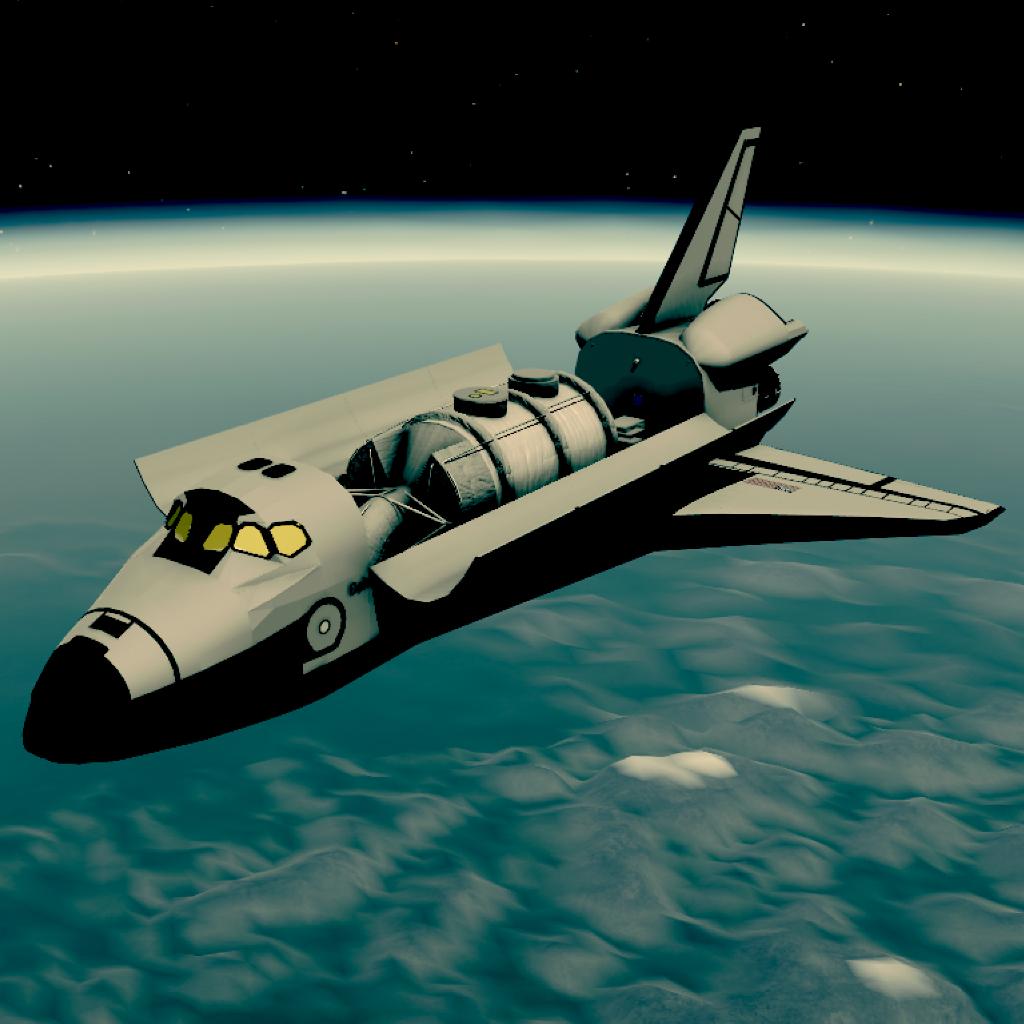
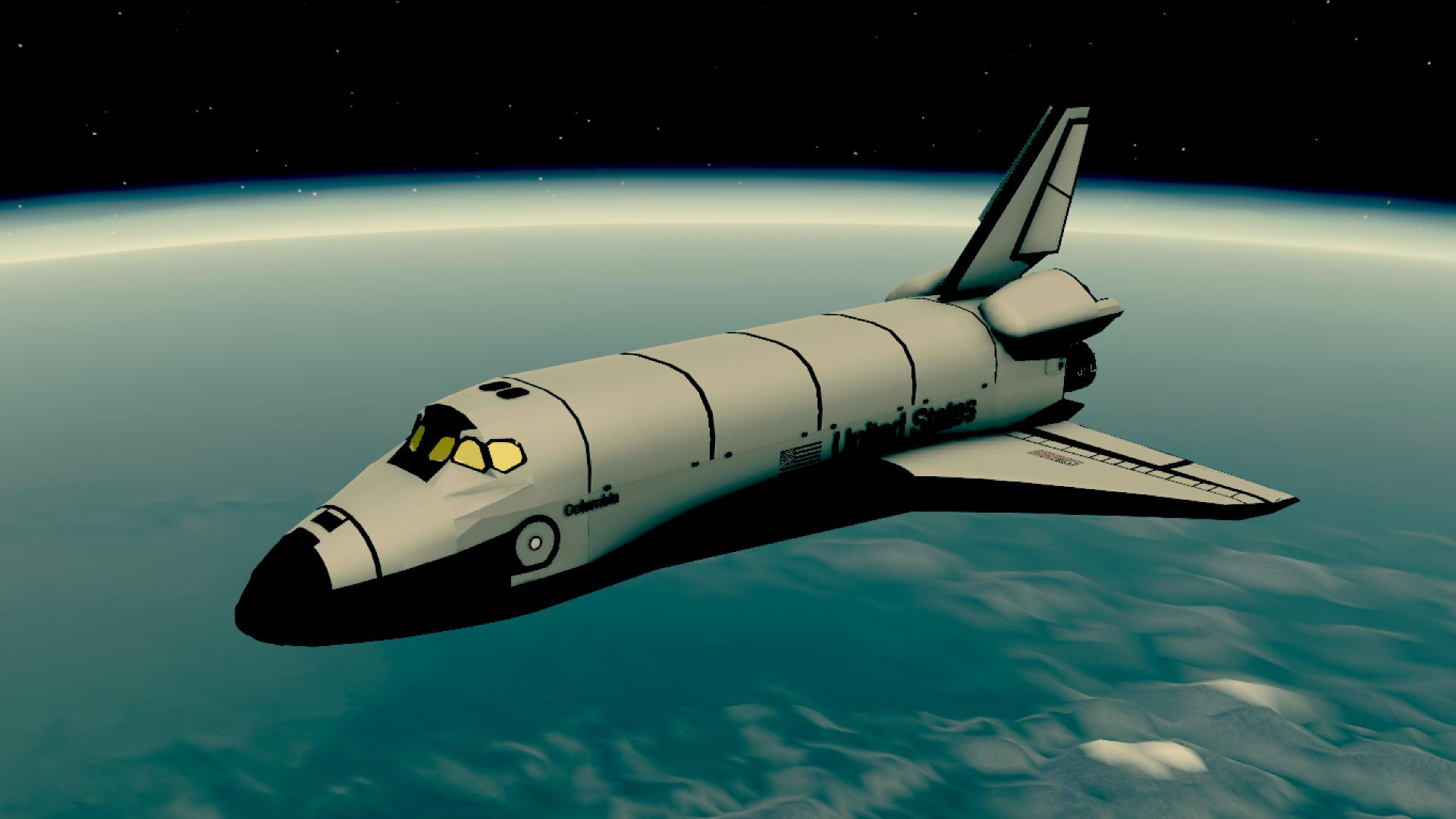
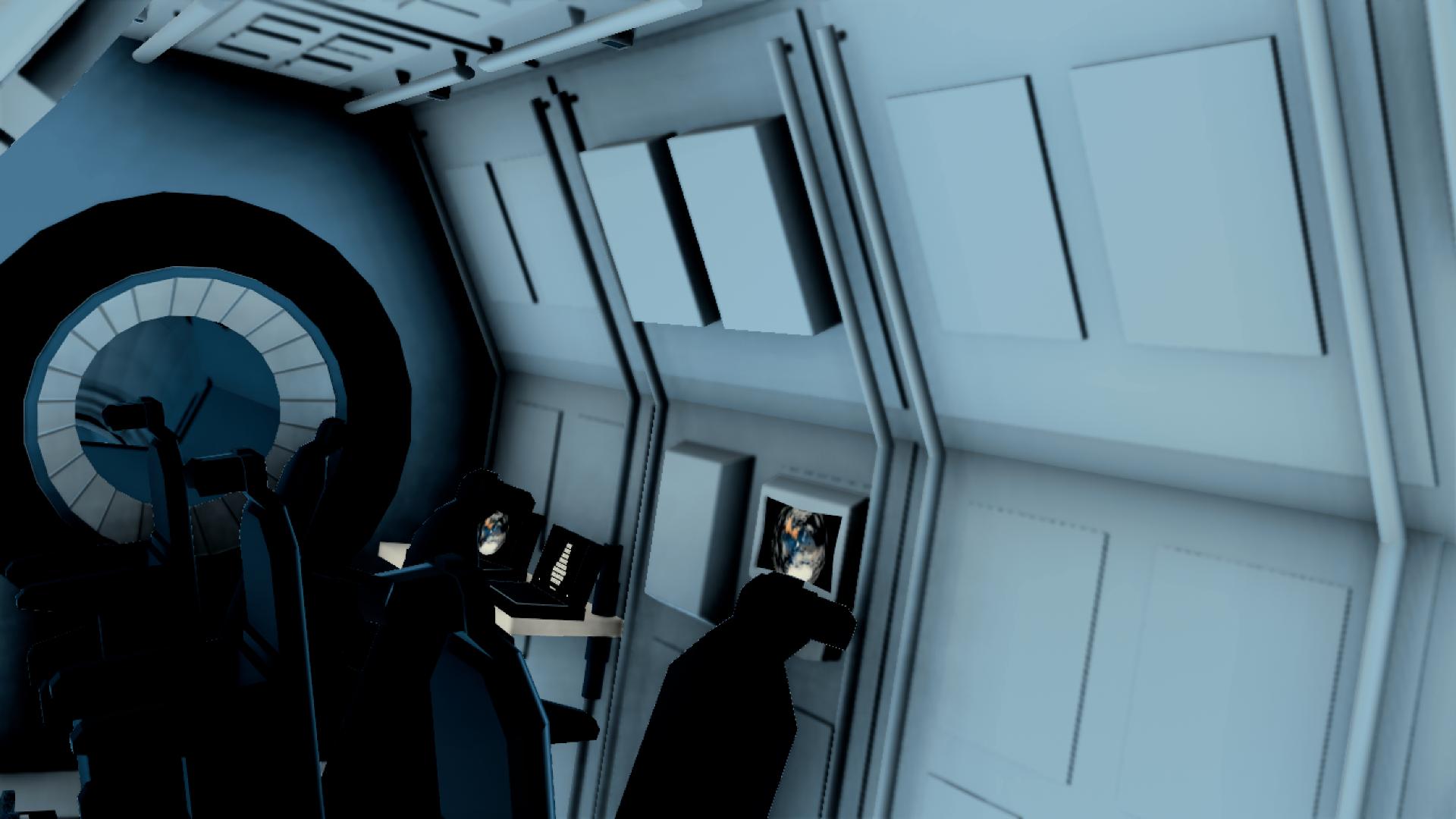
Overview of Space Shuttle Columbia
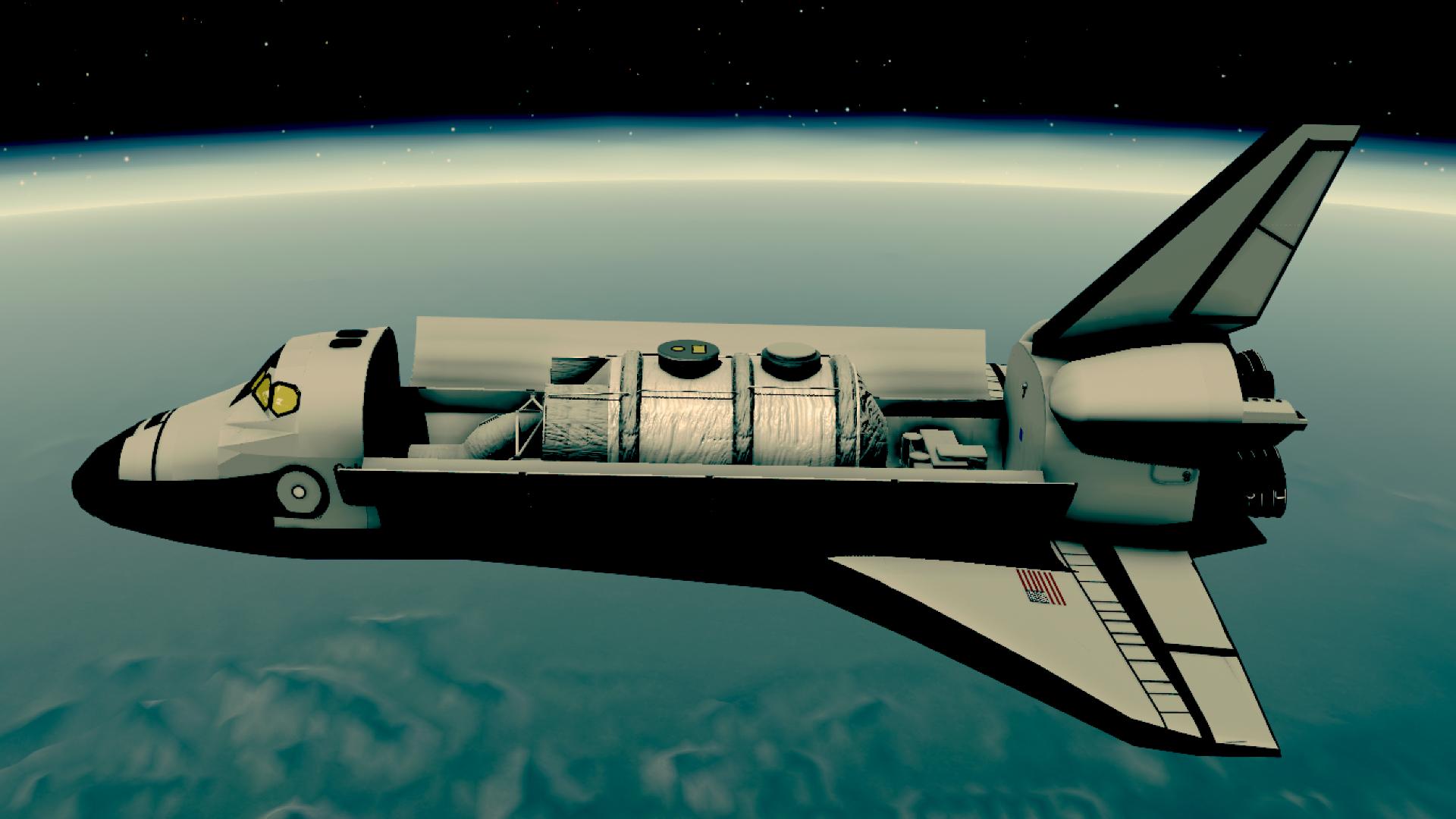
Space Shuttle Columbia (OV-102) was the first space-rated orbiter in NASA’s Space Shuttle program. It played a major role in developing and proving reusable spacecraft technology.
First flight: April 12, 1981 (STS-1)
Last flight: STS-107, launched January 16, 2003
Total missions: 28
Total time in space: Over 300 days
Orbits of Earth: More than 4,800
Columbia was named after the American sloop Columbia Rediviva, one of the first U.S. ships to circumnavigate the globe.
- Design and Characteristics
Columbia differed slightly from later shuttles:
Heavier structure because it was built first and included extra test instrumentation
Less thermal insulation upgrades than later orbiters
Not used for ISS missions due to weight limitations
Key components:
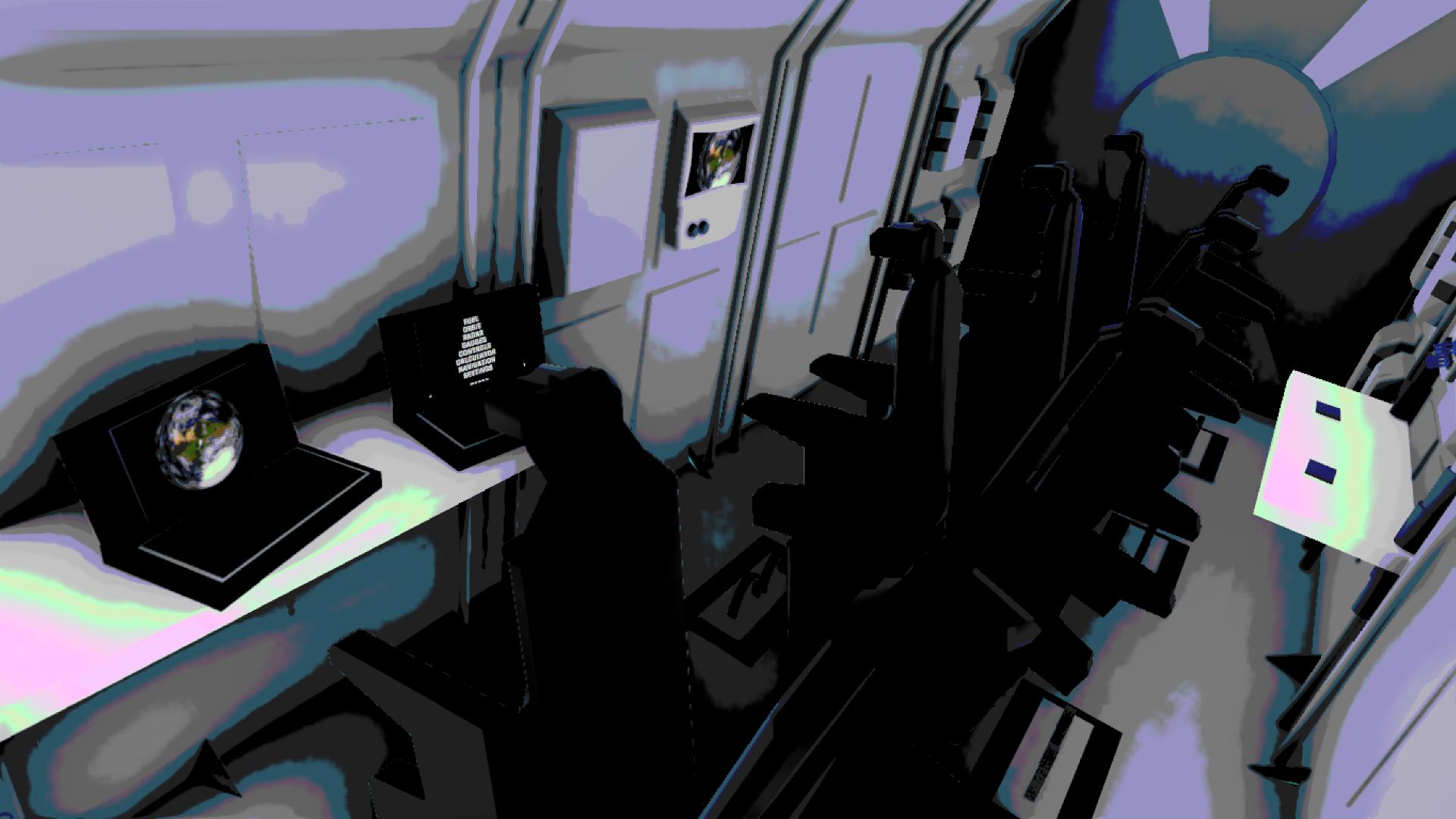
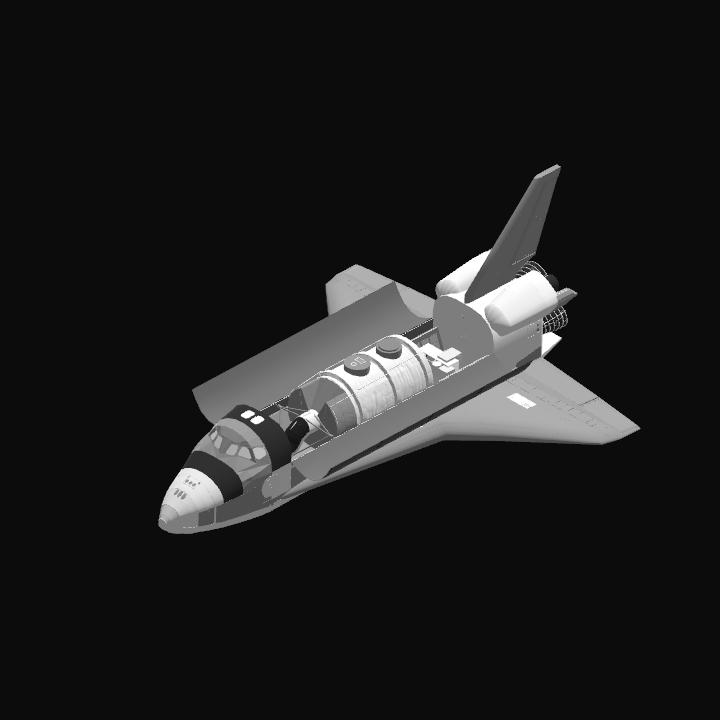
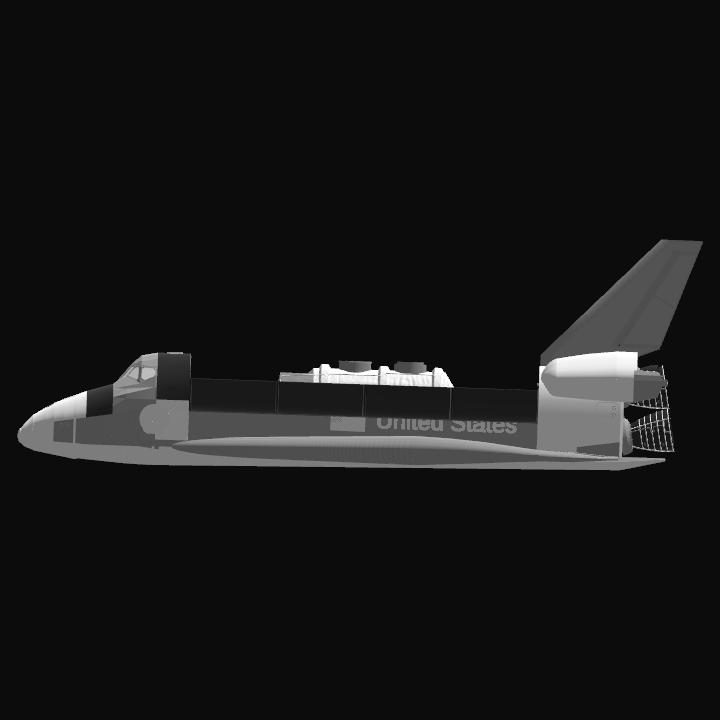
Orbiter Vehicle (crew cabin, wings, payload bay)
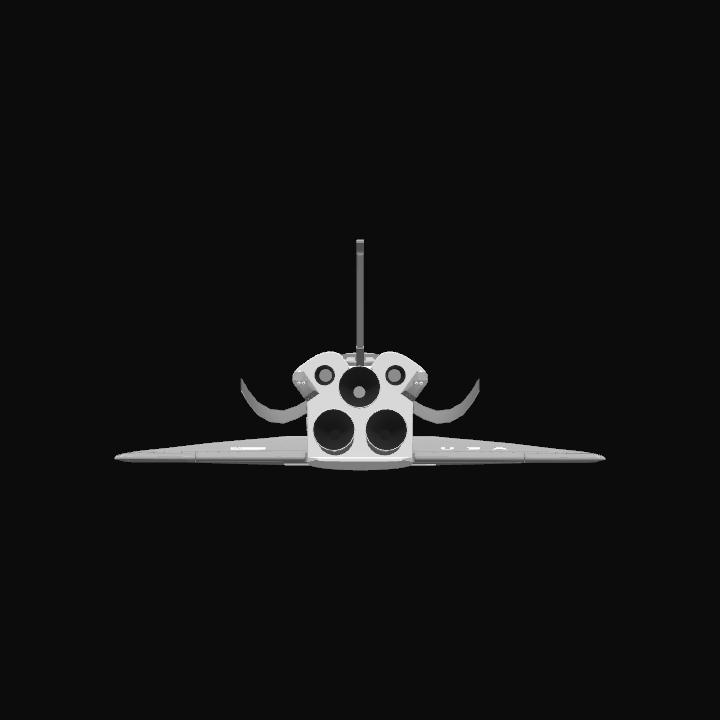
Three main engines
Thermal Protection System (TPS) made of heat-resistant tiles and reinforced carbon-carbon panels
The TPS protected the shuttle from extreme heat during re-entry (up to ~1,650°C / 3,000°F).
GENERAL INFO
- Created On: Windows
- Game Version: 1.3.204.1
- Price: $269,072k
- Number of Parts: 2027
- Dimensions: 13 m x 26 m x 37 m
PERFORMANCE
- Total Delta V: 67.6km/s
- Total Thrust: 65.6MN
- Engines: 15
- Wet Mass: 74,045kg
- Dry Mass: 72,947kg
STAGES
| Stage | Engines | Delta V | Thrust | Burn | Mass |
|---|---|---|---|---|---|
| 1 | 3 | 2.3km/s | 6.0MN | 21s | 74,045kg |
| 3 | 2 | 38.8km/s | 866kN | 6.0m | 74,045kg |
| 4 | 4 | 26.6km/s | 58.7MN | 4s | 74,045kg |
Nothing :|