

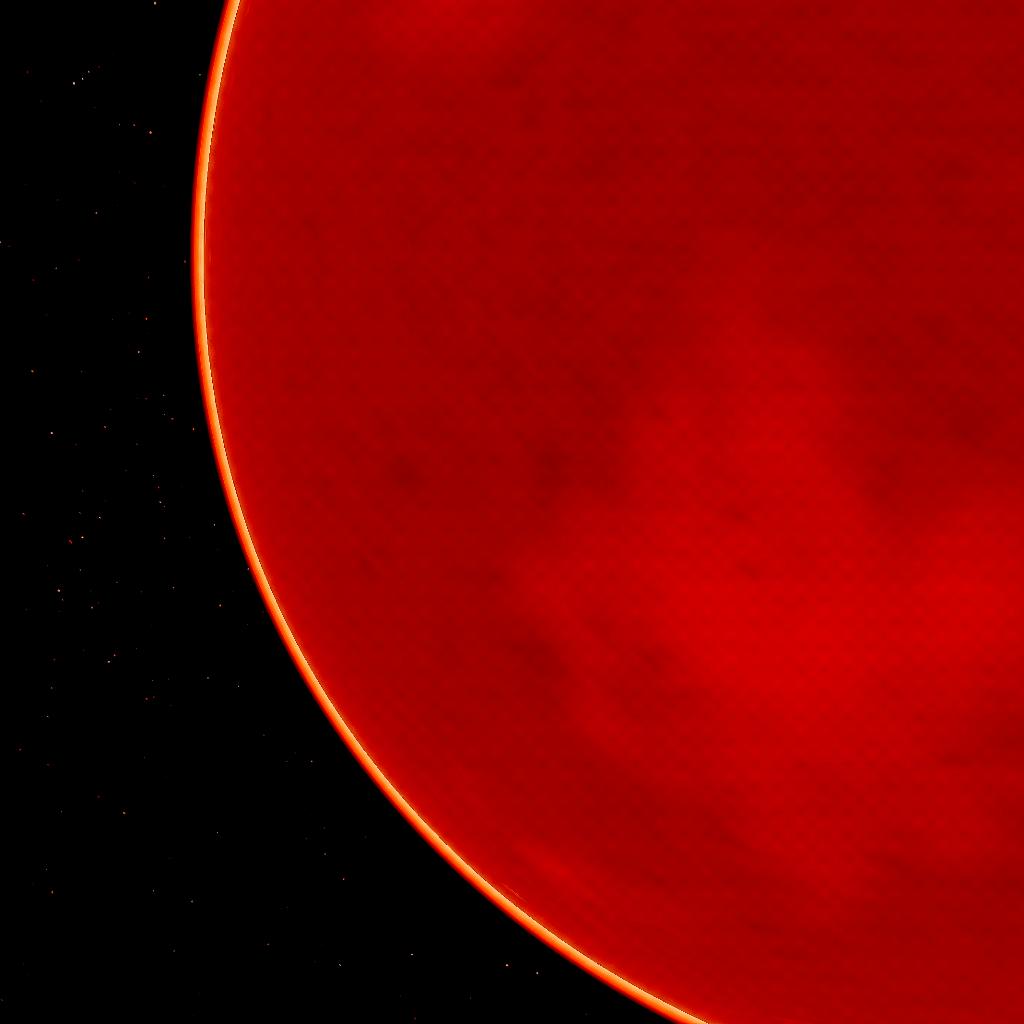
New goal to complete the manned landing of the Space Race , also known as "The goal to won the Space Race 2".
GENERAL INFO
- Created On: Android
- Game Version: 1.3.204.1
CHARACTERISTICS
- Radius: 1,140 km
- Sea Level: 0 m
- Surface Gravity: 5.0 m/s
- Rotational Period: 14h
- Escape Velocity: 3.38 km/s
- Mass: 9.74E+22kg
Atmosphere
- Height: 47 km
- Scale Height: 6,823 m
- Surface Air Density: 0.040 kg/m3
- Surface Temperature: 164 K
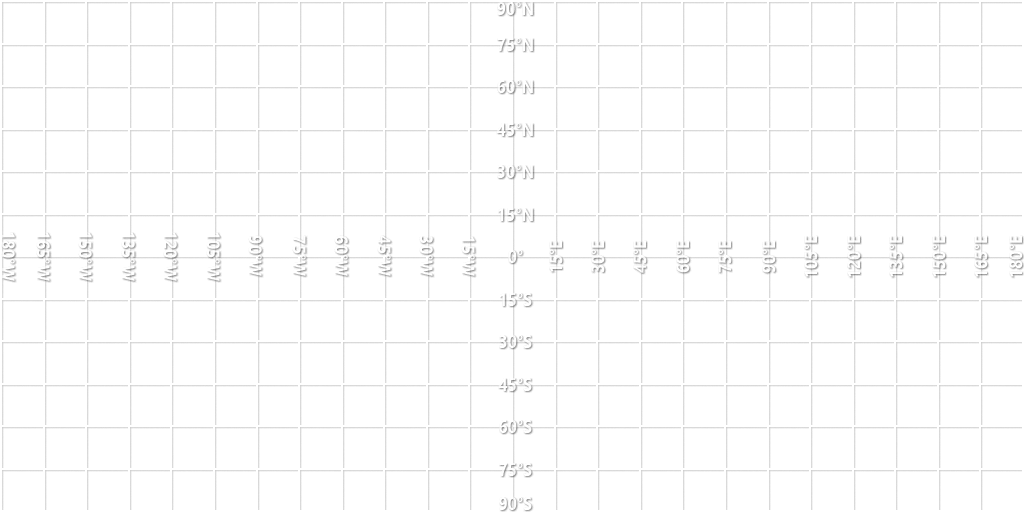
EQUIRECTANGULAR MAP
1 Comment
No Upvotes
Log in in to upvote this post.
hey man, just ran into you, im glad to see a new planet maker, so I thought id give you a guide
Alright here are some tips brother, I love that you are into planet making, yet here are a few tips:
Lore:
with lore the planet becomes more than just another planet, it bears significance and history, even if it's short simple and sweet like e.g "Lon Mendakos is a temperate Earth like world formed within the habitable zone, it is theorised it got its water from a collision with various ice crystals, its rings are likely due to a former dwarf planet being captured and heading into its Roche limit" (pls don't use AI here, it's not good and...AI slop is pretty much everywhere, lets keep the JNO website clean of ai slop).
Noise and Randomization:
you can edit the noise in the noise menu (mountain symbol, tap there and you got the noise menu), tap the area you want to edit (e.g, mountains) change the noise type and fractal type, even the values, this will help you learn noise, you may get something absolutely dope, Gain is very important too and must be used correctly, somewhat like how I did with Sellius, sellius is one of my favourite worlds I've made so far lol. Randomization generates new continents, you will see in the noise menu, look up, you will see a rounded square symbol with 5 dots in it, that randomizes things and generates new continents and terrain (dependent in Celestial body somethings will regenerate, somethings wont).
Photography:
Method A: in system shots.
make a launch location up in space, label it however you want and once you are done with the planet, put the planet in the system (it doesn't matter whether it's incomplete or not) and then launch from that location in a good spacecraft get into Orbit, take pics and yeah...you can capture the best orbital pics, get a moon in the pic, get the parent planet in the pic, get a neighbouring moon or even a large structure. This does take a lot of time though.
So here Is
Method B: Planet Studio Shots
Planet studio shots essentially involve you making a structure (name doesn't matter, name it something short) and pressing the round circle button so that you have free camera range, that way you can zoom in and out and go left, right, up, down, etc, now you can take pics there. hope this helps brother
Live long and prosper