

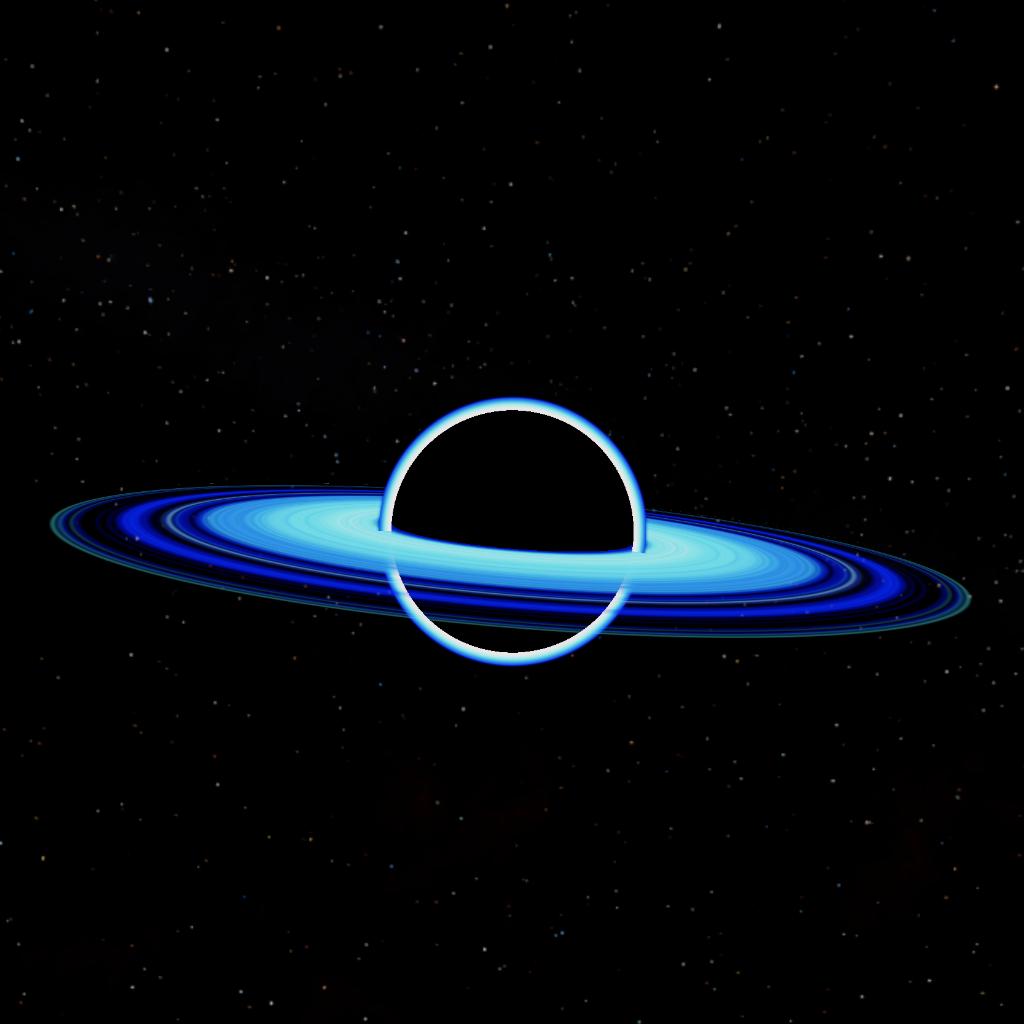
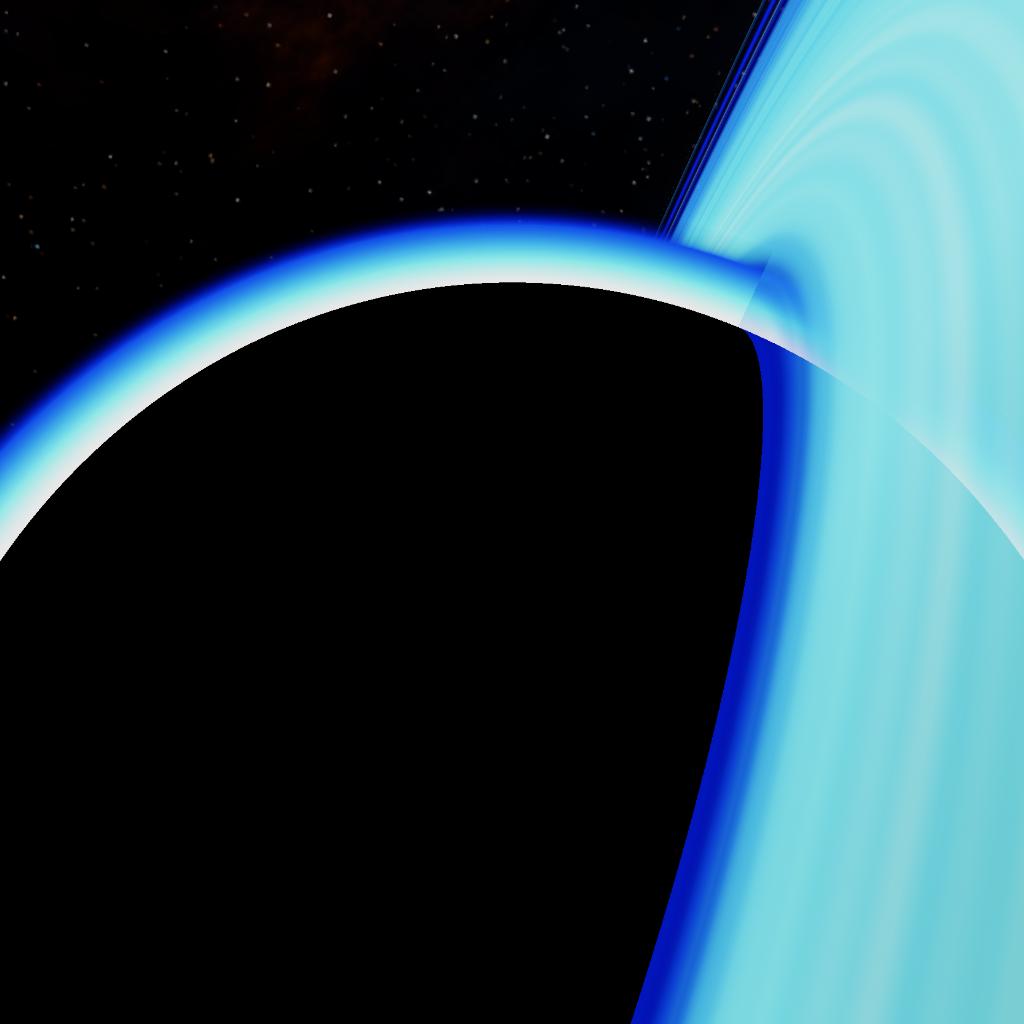
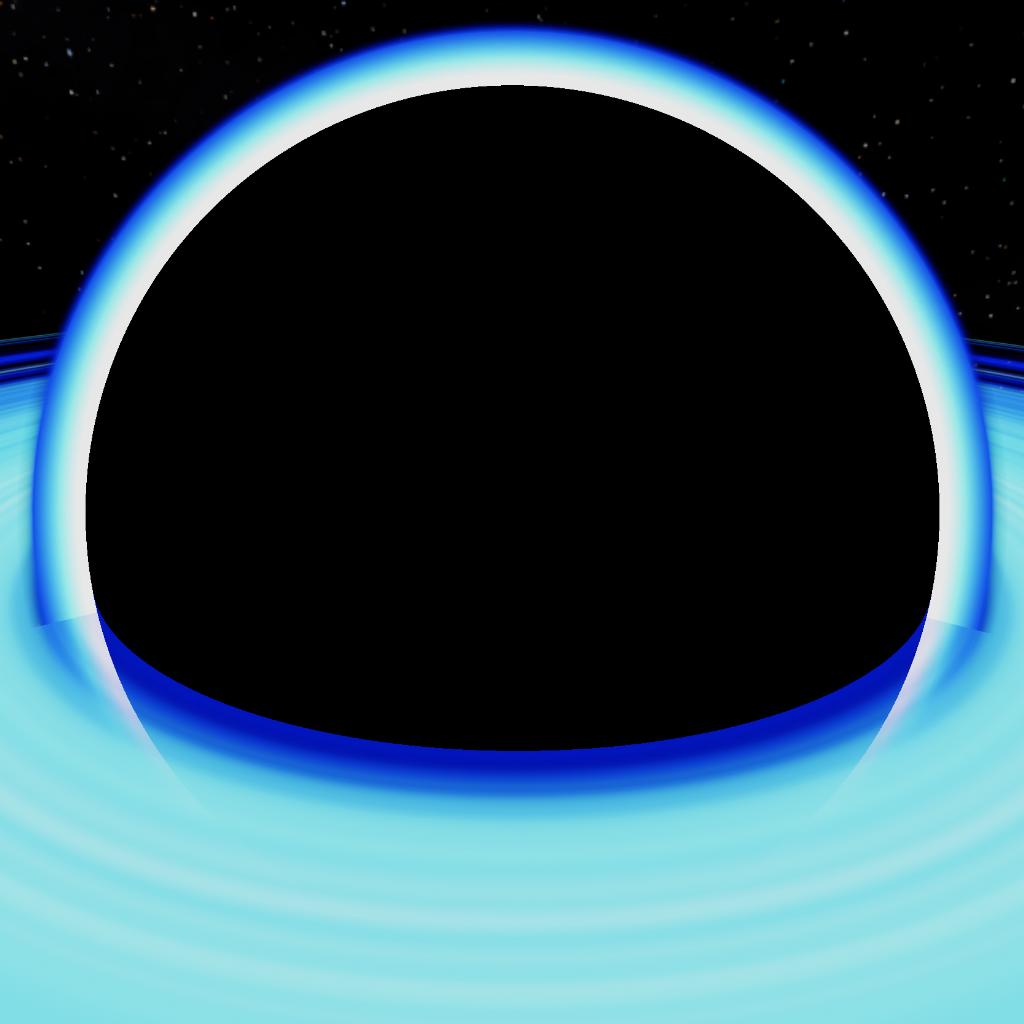
GENERAL INFO
- Predecessor: Phoenix A
- Created On: iOS
- Game Version: 1.3.205.0
CHARACTERISTICS
- Radius: 120,228,000.0 Mm
- Sea Level: None
- Surface Gravity: 236,822.90 km/s
- Rotational Period: N/A
- Escape Velocity: 238,632,536.81 km/s
- Mass: 5.13E+46kg
Atmosphere
- No Atmosphere
EQUIRECTANGULAR MAP
18 Comments
- Log in to leave a comment
-
1,303 RandomDrood27 hours ago
@Wy00tt dude I get it please chill out you are right and I am wrong so chill out it took me 10 whole minutes to read this I understand pal
-
2,235 Wy00tt+1 9 hours ago
@RandomDrood2 so, what are some actually reliable sources for space information? first off, there’s a website called ARXIV, where many astronomy papers are, it can be hard to read scientific papers at first, but this is what I personally do, because popular media often gets things wrong. Even otherwise very reliable sites can get space stuff wrong very easily, because not many people are well informed enough to make good articles, that’s not a bad thing, space is an extremely hard topic to well informed on, as I’ve hopefully shown, but for now, you should stick to the actual scientific papers written by REAL scientists, here’s the link to ARXIV (they said WOH G64 A was the largest star, which is true): https://arxiv.org/. There’s some other good sites, like phys.org, and for REAL reliable creators on YouTube that aren’t AI Generated liars, I highly recommend channels like Dr. Becky. Parallax nick, Isaac Arthur, frasier cain, cool worlds and many others, those ones are my personal favorites, but there are many other great ones, like AnthroFuturisim, Dreksler Astral, Kyle Hill, and SEA, also, suprisingly, Wikipedia is actually decently reliable when it comes to space, I know several people who spend HOURS of their day constantly improving Wikipedia space articles, And the space section of the site has actually gotten pretty good, there are still problems, and you should always use the sources Wikipedia provides, but for a general overview, it’s good enough, it can be extremely difficult to avoid misinformation about space, simply because of how common it is, and how hard it is to properly communicate, your best bet for now is to always check the original scientific papers related to whatever topic you’re reading about, and I have the link to ARXIV above.
-
2,235 Wy00tt+1 9 hours ago
@RandomDrood2 and what’s worse is that these channels use AI, language models like ChatGPT are NOT reliable sources, it’s insane how many people I’ve seen treating the words randomly generated by ChatGPT as gospel. AI will eventually, hopefully be reliable, but right now, it’s not, when an AI doesn’t know the answer to a question, it hallucinates false information, it literally makes stuff up that sounds right, which creates brand new misinformation out of nowhere that needs to be corrected by real people, AI is currently not advanced enough to be relied on for anything above the most basic level knowledge, and these channels are using it, which only makes the huge misinformation problem worse, because now EVERYONE has access to it, and they can easily lie to your face without even knowing it, because they believed what an AI Said,
-
2,235 Wy00tt+1 9 hours ago
@RandomDrood2 (NOTE: this is based on kyplanet’s video debunking J1407b) there are also a ton of AI Generated scam channels plaguing youtube. I’m sure you’ve seen them. The channels than claim we found city lights on Proxima Centauri b or say we found exoplanets better for life than earth. These channels talk about Stephenson 2-18. They’re AI Generated slop that are only for monetary gain at best and they’re outright content thieves at worst. And these channels are EVERYWHERE. they have MILLIONS of subscribers. and there’s nothing we can do to stop them except get as many people to stop watching them as possible. these channels do nothing but spread MASSIVE amounts of science misinformation. Especially Astronomy. Stuff about Stephenson 2-18. and other stuff like exoplanets in particular. and it’s not just space. It’s ALL science. if you see a channel like that. don’t click on a video even to dislike and post a mean comment. you’re still giving them a view, and dislikes and comments still count as engagement. which will boost them in the algorithm. the only thing you should do is report the channel and block it. the best and only way to stop them is to not watch them. if any of the channels you watch look like one of these channels. unsubscribe, block and report the channel immediately. Stephenson 2-18 is just one small example of a massive misinformation problem online today. It’s not only the incorrect articles and websites on google and otherwise well meeting creators making errors. but malicious channels promoting Misinformation for monetary gain. those are the 2 major reasons in science communication that have not only kept the Stephenson 2-18 myth alive when it should have died years ago. but are promoting in inaccurate view of astronomy and science as a hole that is damaging to the public perception. When people realize these videos are fake. many don’t blame the person who made them. they blame the scientists. this leads to the growing distrust in science we see all around us. I can never help to solve this problem alone. but it’s good that there are so many other people doing things about it. But we need more. YouTube needs to start taking action against these channels. but of course they never will. because these channels make money. and that’s all that matters. so the best thing to do is stop watching it. tell the creators that lying to millions of people is not a viable strategy to make money. and hopefully we can correct atleast some of the damage these people have caused.
-
2,235 Wy00tt+1 9 hours ago
@RandomDrood2 also. Google is not the best source for information. There is a Ton of misinformation about Stephenson 2 DFK 1 (other name for Stephenson 2-18) online. For example. Someone made Reddit post talking about every reason why Stephenson 2-18 not the largest star. and there are lots of studies proving this Star isn’t the largest one. And despite that there are so many people who still think this star is the largest. Google search results are poisoned right now. there are literally tens of thousands of articles and videos about Stephenson 2-18. there are so many of them that the studies debunking Stephenson 2-18 are buried under layers of misinformation. Once one article is made with false information. Videos are made about it. these videos then inspire more videos and more articles. Giving google more supposedly reliable sources to show you when you search. So anyone doing research on Stephenson 2-18 is given seemingly reliable sources about the Star. when in reality they are multiple years out of date and no longer accurate.
-
2,235 Wy00tt+1 9 hours ago
@RandomDrood2 the limit is 1700 suns, Stephenson’s size was estimated using an unreasonably high luminosity, thus likely unrealizable, its distance is also uncertain, its mass is unknown, and its size is unreliable, and it also exceeds the limit, WOH G64 A is the largest star with a well defined radius,
-
1,303 RandomDrood212 hours ago
@Wy00tt uh Stephenson 2-18 is bigger with a radius of 2150 times of the sun
-
2,235 Wy00tt+1 13 hours ago
@RandomDrood2 also, this black hole still has an incredibly large radius, over 112 times larger than the largest known star (which is WOH G64 A, at 1,540 times the suns size, with a radius of 1.07 billion km.)
-
-
1,303 RandomDrood2yesterday
@Wy00tt well I just checked 66 is the most common while some say it's 40.7
-
-
1,303 RandomDrood2yesterday
Uh if I recall correctly (I'm not being a nerd) TON 618 is about 66 billion solar masses not 40.7
-
-
2,235 Wy00tt+1 one month ago
@wernhervonkerman *Light. also. Fun fact: in SolarBalls, At the 1:15 minute mark of the episode “Could we replace our Sun?”, the word Light in "Light years" is misspelled as "Ligth". You just Spelt it that way. Also. in the episode. at that part. the text that says light years is blurred out.
-
-
-


@RandomDrood2 ok.